

LA County Sheriff election: Meet the candidates in the June 2 primary
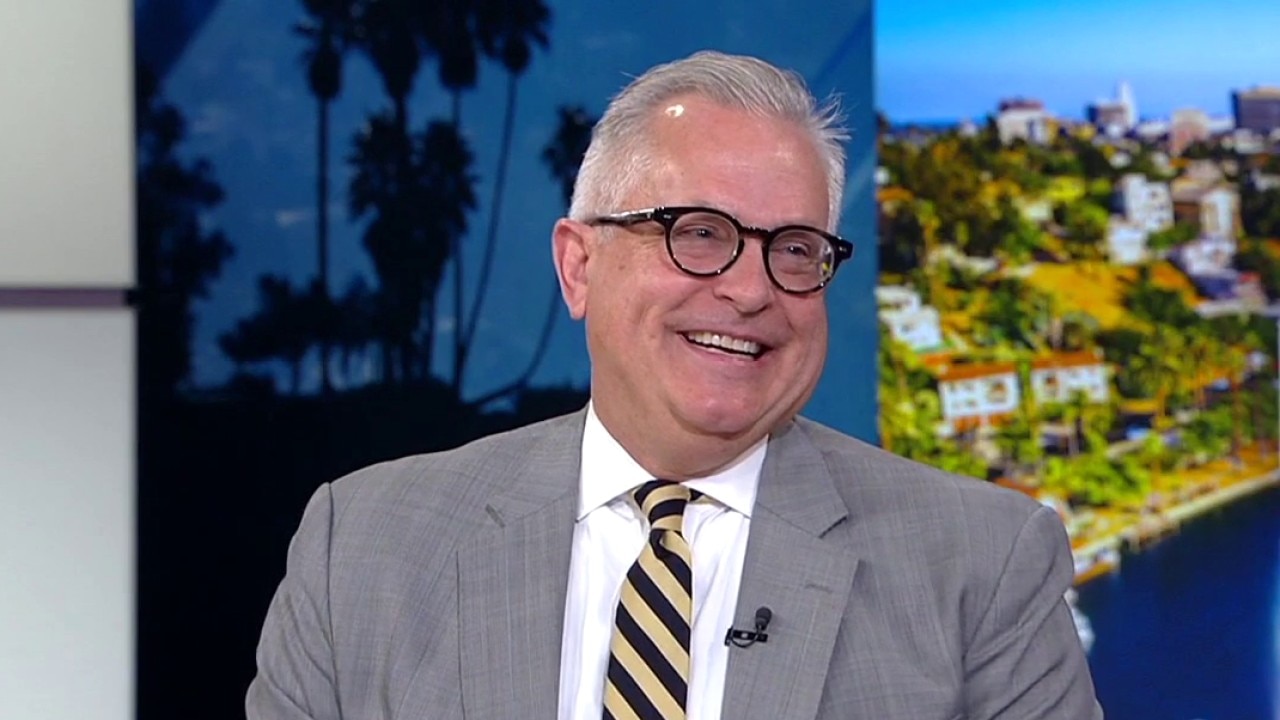
SUGGESTED COVERAGE: Political strategist talks local and state elections
Matt Klink breaks down the latest headlines in the Los Angeles mayoral and California gubernatorial races.
LOS ANGELES - On June 2, Los Angeles County voters will head to the polls for a high-stakes primary election that serves as a critical crossroads for the nation’s largest sheriff’s department.
Incumbent Sheriff Robert Luna, seeking a second term on a platform of continued reform and institutional stability, faces a crowded and formidable field of eight challengers—including his predecessor, Alex Villanueva, and a diverse array of department veterans like Lieutenant Oscar Martinez and retired Senior Deputy Sonia Montejano.
With the department under intense scrutiny over issues ranging from jail conditions and deputy "gangs" to the ongoing homeless crisis, this open-field primary offers voters a stark choice between the current administration’s collaborative approach and a variety of "law-and-order" and "outsider" alternatives.
Because a candidate can win the office outright by securing more than 50% of the vote, the June primary is not just a preliminary hurdle, but a potential finish line that will determine the leadership of the Los Angeles County Sheriff's Department (LASD) for the next four years.
Big picture view:
The 2026 primary is a "potential finish line" because of the specific structure of local nonpartisan elections in California.
SUGGESTED: Race for LA mayor: Meet the 14 certified candidates
Unlike state and federal races (where the top two always advance regardless of the vote percentage), local LA races allow for an outright win in June. The filing deadline for candidates was March 6, 2026, setting the stage for the current field of contenders.
Meet the candidates
What we know:
Here's what we know about each candidate (Candidates listed in alphabetical order)
Mike Bornman, Retired Sheriff Captain

Mike Bornman running for LA County sheriff
Retired Capt. Mike Bornman is looking to reenter the Los Angeles County Sheriff's Department. He spoke to FOX 11 about his plans for the 2026 sheriff's race and why he wants to unseat Sheriff Robert Luna.
Official Website: captainmikebornman.com
About: Bornman is a highly-decorated 36-year veteran of the LASD, recognized throughout his career for his "unquestioned integrity" and expertise in complex investigations. His diverse resume spans from serving as a Field Training Officer in South LA to leading a high-priority joint task force with the FBI and investigating hundreds of cases within the Internal Affairs Bureau. A specialized leader in both custody and community relations, Bornman was instrumental in creating the Education Based Incarceration Bureau (EBI) and the award-winning SHARE Tolerance Program, which earned national recognition for combating hate. With a Master’s Degree in Organizational Leadership and six distinguished service awards, Bornman positions himself as an educator and executive capable of distilling the department's most challenging fiscal and operational issues into ethical, transparent, and effective public safety solutions.
Key Goals:
- Forensic Audit and Fiscal Responsibility: Bornman says he will initiate a comprehensive forensic audit of the LASD’s multibillion-dollar budget to identify waste and ensure funds are being utilized effectively. He argues that the department is likely carrying outdated budget items that no longer benefit the public, while modern, critical needs remain underfunded. By scrutinizing every dollar spent, he aims to reallocate resources to where they are most needed, ensuring that taxpayer money is managed with maximum efficiency and transparency.
- Employee Health and Wellness: Addressing a "tragic national record" of 14 department-related suicides under the current administration, Bornman prioritizes the mental health and well-being of the LASD workforce. He points to the dangers of forced overtime and exhaustion, which hinder both recruitment and retention. His plan involves creating a supportive internal environment that allows deputies to take necessary time off and provides the resources needed to sustain a healthy, dedicated professional force.
- CCW Permits: Criticizing the current 18-month wait time for Concealed Carry Weapon (CCW) permits, Bornman intends to dramatically expedite the process to meet the 90–120 day standard. He views the existing delays as an unacceptable bureaucratic roadblock and a violation of public expectations. He pledges to reform the department’s internal practices to satisfy both legal requirements and the ongoing federal investigations into how these permits are handled.
- Immigration: While acknowledging that immigration is a federal responsibility, Bornman advocates for a targeted approach that focuses on individuals in the country illegally who are charged with violent felonies or serious misdemeanors. He aims to balance legal boundaries with community protection, ensuring that the department focuses its enforcement resources on those who pose a direct, violent threat to residents, regardless of their status.
- Deputy Gangs: Bornman is committed to strictly enforcing state laws and existing department policies that prohibit participation in deputy gangs. By establishing clear professional boundaries and holding violators accountable through firm discipline, he intends to dismantle these groups and foster a safer, more ethical work environment. He believes that tackling this issue head-on is essential to restoring internal integrity and external credibility.
Karla Carranza, Sergeant

Karla Carranza running for LA County Sheriff
Karla Carranza speaks on having to run against her boss, Robert Luna, in the race for Los Angeles County Sheriff.
Official Website: carranza4sheriff.com
About: Karla Carranza is a current Sergeant with the LASD with over 18 years of service, including experience at the Twin Towers Correctional Facility and in South LA patrol. Carranza is running on a platform of fiscal accountability, ending "meritless" legal settlements, and modernizing aging jail infrastructure to ensure humane conditions and safety. An immigrant from El Salvador, Carranza has had personal experiences with asylum and the tragic loss of a brother to gang violence, which drive her focus on youth prevention and community empathy.
Key Goals:
- Staffing Crisis and Recruitment: Carranza prioritizes resolving the department's unprecedented staffing shortage by streamlining the hiring process. She proposes outsourcing background investigations to private contract services—similar to the model used by the California Highway Patrol—to free up sworn deputies for field duties. Additionally, she aims to revitalize and expand the Reserve Program, exploring options to make it a paid, part-time program to attract retired or active investigators from other agencies to help solve cold cases and follow up on crimes.
- Modernizing Jail Infrastructure and Humane Conditions: Recognizing that the county has not built a new jail since 1995, Carranza advocates for the construction of a new, centralized facility equipped with modern technology. Her goal is to replace aging infrastructure to reduce assaults within the jails and ensure that both inmates and staff operate in humane, safe conditions. She emphasizes that while "care first" initiatives are important, a high-capacity, secure facility is essential for housing violent criminals awaiting trial in the nation's most populous county.
- Fiscal Accountability and Legal Reform: A key pillar of her platform is safeguarding taxpayer dollars by ending the practice of quietly settling meritless or "frivolous" lawsuits against the department. She plans to hire aggressive legal counsel with a proven track record of defeating such claims in court rather than settling out of court. Carranza intends to champion transparency in how funds are allocated, ensuring that money diverted from unnecessary legal payouts is instead used for essential public safety services and community programs.
Brendan Corbett, Retired Assistant Sheriff

Brendan Corbett on running for LA County Sheriff
Retired assistant sheriff Brendan Corbett shares his vision for incarceration and rehabilitation in Los Angeles County should he be elected Sheriff.
Official Website: corbettforsheriff.com
About: Brendan Corbett is a retired Assistant Sheriff and a veteran of the LASD with over 40 years of service. A significant portion of his career was spent within the Special Enforcement Bureau (SEB), where he gained extensive experience in high-stakes operations involving SWAT and K-9 units. Corbett is positioning himself as an experienced insider capable of restoring the department's operational strength. His candidacy is defined by a "back-to-basics" philosophy, focusing on bolstering the ranks through a massive expansion of the Reserve Program and utilizing his deep institutional knowledge to bridge the gap between law enforcement and the diverse communities of Los Angeles.
Key Goals:
- Community Safety and Confidence: Corbett is focusing on revitalizing neighborhood safety through a dual approach of rapid personnel expansion and deep-rooted community collaboration. His primary initiative is to more than double the Reserve Program—increasing it from 400 to 1,000 volunteers in his first year—to provide an immediate front-line presence while creating a high-quality pipeline for future full-time recruits. By bridging the gap between law enforcement and neighborhood stakeholders, he aims to deliver measurable results that improve the overall quality of life and public safety across Los Angeles County.
- Utilizing Technology: To modernize the department, Corbett plans to implement new technology and data-driven strategies to improve response times and deputy safety, all while ensuring that every community is heard through active, solution-oriented partnerships with local leaders and elected officials. By implementing advanced digital tools, he aims to create a more transparent and efficient agency where responding personnel have access to vital real-time information. This tech-forward approach is designed to decrease response times, enhance the safety of both deputies and the community, and ensure that departmental decisions are backed by measurable data to improve overall performance and accountability.
- Reducing Homelessness: Corbett’s platform includes a comprehensive custody and reentry plan designed to address the root causes of crime by prioritizing wellness for individuals struggling with mental illness or substance abuse. To achieve this, he proposes an unprecedented real-time communication network involving law enforcement, the District Attorney, the courts, and county agencies to streamline access to essential programs and services. Corbett aims to provide a sustainable path to recovery that directly reduces both homelessness and recidivism across Los Angeles County.
- Accountability: Corbett emphasizes a commitment to fiscal responsibility and transparency, promising to manage the LASD’s $4 billion budget with a focus on frugality and reduced liability. He intends to implement clear, concise policies and strategic planning that prioritize ethical conduct and community trust, ensuring that taxpayer dollars are used efficiently. Corbett aims to maximize the department's effectiveness and presence in the community without unnecessary spending.
Robert G. Luna, Sheriff of LA County

One-on-one with Sheriff Robert Luna
Public safety is top of mind with some of LA's biggest events around the corner. LA County Sheriff Robert Luna stopped by Good Day LA on Wednesday to talk about safety precautions.
Official Website: lunaforsheriff.com
About: Robert Luna, the 34th Los Angeles County Sheriff, is seeking reelection on a platform of stability and proven results after becoming the first person in over a century to unseat an incumbent in 2022. A veteran of law enforcement with 36 years at the Long Beach Police Department—including seven years as Chief—Luna brings a "relationship-based" policing philosophy shaped by his upbringing in an immigrant family in East Los Angeles. Under his current term, he has overseen a 14% decrease in homicides and increased crime clearance rates while establishing the Office of Constitutional Policing and implementing a formal ban on deputy gangs to restore departmental accountability. With a Master’s in Public Administration and training from the FBI National Academy, Luna emphasizes a modern approach that combines falling use-of-force statistics with collaborative community partnerships to address the root causes of crime.
In his bid for reelection, Luna highlights a record of data-driven results and structural reform aimed at balancing public safety with constitutional policing. His administration has overseen a significant 25% decrease in both homicides and uses of force since 2023, while simultaneously increasing crime clearance rates through the creation of a new Crime Strategy Unit. Luna’s tenure is marked by a focus on transparency and accountability, notably the implementation of body-worn cameras in county jails and the launch of public dashboards for tracking misconduct and crime statistics. By prioritizing the enforcement of a formal ban on deputy gangs and surging law enforcement staffing on the Metro system to combat narcotics and fare evasion, Luna positions himself as a leader who has successfully stabilized the department while delivering measurable reductions in violent crime.
Key Goals:
- Reduce Violent Crime: Highlighting a drop in homicides and violent crime during his first term, he aims to further lower crime rates through collaborative partnerships.
- Increase Public Trust: Luna focuses on "relationship-based policing" and constitutional policing. He points to his creation of the Office of Constitutional Policing and a policy banning "law enforcement gangs" as evidence of reform.
- Modernization: He aims to modernize the department’s technology and data transparency, including the creation of public dashboards for crime stats and use-of-force data.
- Homelessness & Mental Health: He advocates for a "compassionate and effective" response, supporting the Homeless Outreach Services Team (HOST) and the implementation of state and local ballot measures (Measure A and Prop 1) to fund mental health and housing.
Oscar Antonio Martinez, Law Enforcement Officer
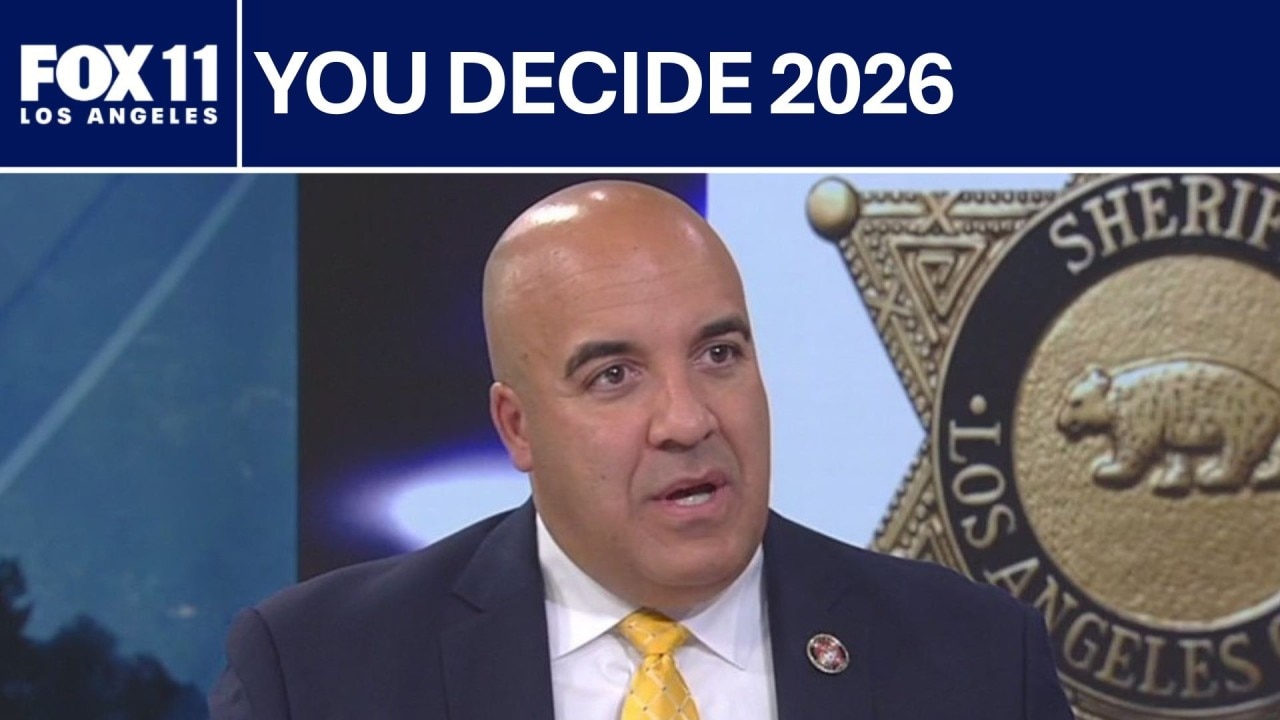
Lt. Oscar Martinez running for LA County Sheriff
Lt. Oscar Martinez shares his vision of unseating his current boss, Robert Luna, in the race for Los Angeles County Sheriff.
Official Website: oscar4sheriff.com
About: Running on a "service-over-power" philosophy, Martinez leverages his background as a combat veteran and immigrant to propose a disciplined, law-and-order approach to leading the LASD. His platform blends extensive departmental experience with a commitment to constitutional rights, specifically pledging to streamline CCW permits, advocate for veteran promotional points, and restore the 287(g) program to facilitate the transfer of violent criminal offenders to ICE. Martinez prioritizes accountability and transparency, rejecting "early release" policies and the use of law enforcement as a scapegoat for the homelessness crisis. Internally, he aims to restore public trust and deputy morale by implementing robust, stigma-free mental health support and trauma-trained resources to combat burnout and ensure a healthier, more effective force for LA County.
Key Goals:
- Defend and Support Law Enforcement: Martinez aims to fundamentally shift the internal culture of the LASD by ending what he describes as a "climate of fear" and "political appeasement." He plans to restore deputy confidence by ensuring that leadership stands firm against anti-law enforcement agendas and protects personnel from disproportionate discipline for minor mistakes. His philosophy is that a department that feels supported and empowered by its leaders is more proactive and better equipped to reduce crime and protect neighborhoods.
- Modernization of the Department: Martinez advocates for a tech-forward department that balances cutting-edge tools with constitutional safeguards. His plan involves investing in advanced equipment—including drones, synchronized data analytics, and upgraded communication systems—to fight crime more effectively. Additionally, he prioritizes the physical safety and efficiency of deputies by upgrading patrol gear, non-lethal weapons, and forensic technology to ensure the department remains at the forefront of modern policing.
- Fiscal Responsibility and Smart Resource Allocation: With a focus on the department’s financial health, Martinez intends to balance the budget by eliminating mismanagement and wasteful contracts. He is committed to ensuring that contract cities receive the full value of the services they pay for without subsidizing internal inefficiencies. By practicing smarter resource allocation, he plans to strategically expand deputy numbers and deploy personnel to high-need areas, ensuring adequate law enforcement coverage across the entire county.
Eric Strong
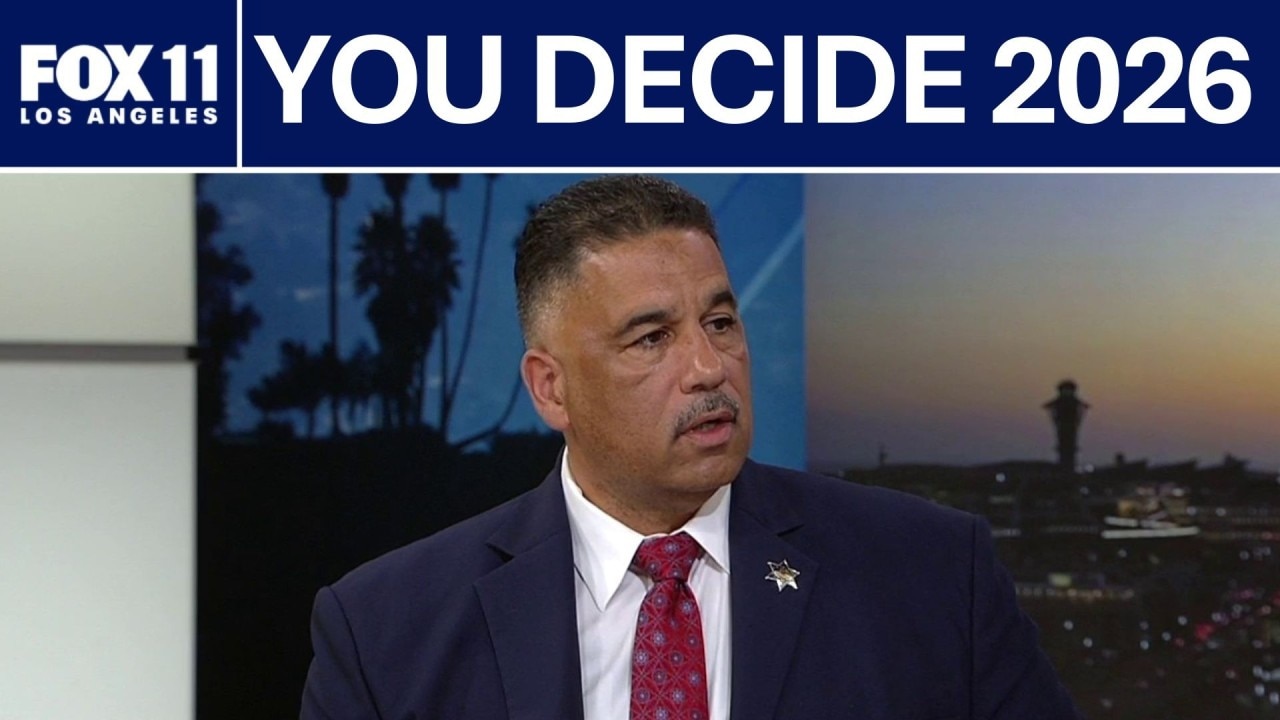
Eric Strong running for Los Angeles County Sheriff
Retired Lieutenant Eric Strong shares his vision for running the Los Angeles County Sheriff's Department should he be elected Sheriff.
Official Website: strong4sheriff.com
About: Eric Strong is a 30-year law enforcement veteran and U.S. Marine Corps veteran whose platform is deeply informed by his "360-degree" perspective as a former Compton and Pasadena police officer, an LASD commander, and the son of a police officer. Strong advocates for a system that is both fair and effective, emphasizing that public safety should not come at the expense of civil rights. His career is distinguished by his roles as a Unit Commander and a Chief within the LA County Probation Department, as well as his experience overseeing high-profile Internal Affairs investigations into corruption and misconduct. A graduate of the FBI National Academy, Strong is running for Sheriff to shift the department’s approach toward accountability and transparency, arguing that mental health and homelessness should be treated as health crises rather than crimes. His candidacy focuses on restoring lost public trust and supporting a depleted workforce by moving away from what he describes as the misuse of personnel and unchecked misconduct.
Key Goals:
- Ending Corruption, Building Trust: Strong is committed to dismantling the "culture of silence" within the LASD by ending deputy gangs and overhauling the disciplinary process. Leveraging his 32 years of experience, he plans to make Internal Affairs fully independent and implement a public-facing accountability dashboard to track use-of-force and disciplinary outcomes.
- Care, Not Cuffs: Strong advocates for a fundamental shift in how the department handles behavioral health, moving away from using jails as the county’s primary mental health facilities. He proposes that every deputy be certified in trauma-informed response and addiction awareness, working alongside mobile crisis teams and clinicians in co-response models.
- Immigration: Recognizing that public safety depends on the trust of all residents, Strong’s policy draws a hard line between local law enforcement and federal immigration duties. He pledges that immigration status alone will never be a basis for enforcement or detention, and the department will not participate in ICE raids or workplace sweeps.
- Incarceration: To end the "revolving door" of incarceration for those struggling with homelessness and untreated illness, Strong plans to launch the Outcome-Based Diversion (OBD) Pilot Program within his first month. This initiative empowers deputies to use discretionary authority at the point of contact to bypass jail and instead refer eligible individuals to detox, psychiatric stabilization, or vocational support. The goal is to measure success by lives redirected and recidivism reduced, rather than by total arrests made.
- Transparency: Under Strong’s leadership, transparency would become the departmental standard through the creation of an independent Sheriff’s Reform and Oversight Council featuring community and youth voices. He intends to hold rotating monthly town halls across all districts to ensure face-to-face accountability and provide direct access to leadership.
Alex Villanueva, Retired Peace Officer

Former L.A. County Sheriff Alex Villanueva shares why he wants his job back
Former L.A. County Sheriff Alex Villanueva is stepping back into the political arena. He's officially filed to run again for the county’s top law enforcement job, setting up a potential rematch with current Sheriff Robert Luna in the June 2 primary.
Official Website: alexvillanueva2026.com
About: Alex Villanueva, the 33rd Sheriff of Los Angeles County (2018–2022) and a 36-year veteran of the department, is running to reclaim his former office on a platform of "proven leadership" and fiscal recovery. A veteran of the U.S. Air Force and National Guard with a Doctorate in Public Administration, Villanueva highlights his past success in converting a $101 million budget deficit into a $74 million surplus and reversing chronic staffing shortages by hiring 1,100 deputies in a single year. His campaign, running under the slogan "Rescue, Rebuild, Restore," emphasizes a firm "law and order" approach, citing his proactive response to the 2020 civil unrest, large-scale raids on illegal cannabis cartels, and the clearing of major homeless encampments without use-of-force. Positioning himself as a reformer who replaced political patronage with merit-based systems and challenged government overreach—such as vaccine mandates and administrative corruption—Villanueva frames his 2026 candidacy as a mission to restore operational strength and public safety to a department he claims has fallen into "paralyzing dysfunction."
Key Goals:
- Law and Order: He stresses a "firm believer in law and order" approach, citing his past raids on illegal cannabis grows and his deployment of resources during civil unrest to restore peace.
- Addressing Homelessness: Villanueva highlights his past "unprecedented" efforts to clear large encampments (like the Venice Boardwalk) without arrests, arguing that enforcement and compassion must go hand-in-hand.
- Recruitment & Staffing: He aims to reverse current staffing shortages, pointing to his first year in office where he hired 1,100 deputies, and intends to restore a "merit-based system" over political patronage.
- Public Corruption: He highlights his previous creation of a Public Corruption Unit and promises to continue confronting misuse of power in local government.
André N. White, Detective

Andre White discusses reason for running for LA County sheriff
Andre White, who's been with the LA County Sheriff's Department for 11 years, is looking to unseat his boss Robert Luna from his position as sheriff. White discusses his reason for running for sheriff with FOX 11.
Official Website: andrewhite4sheriff.com
About: Andre White’s journey from a childhood in Compton to a career as an LASD Gang Detective is defined by his commitment to hard work, community-building, and a holistic approach to public safety. Before entering law enforcement, White developed critical crisis-management skills as an Emergency Medical Technician (EMT) and ER staff member, a medical background that informs his belief that effective policing requires both compassion and quick thinking. Since joining the Sheriff’s Department in 2014, he has gained broad operational experience—ranging from working at the Twin Towers Correctional Facility to patrol in Carson—and currently serves with Operation Safe Streets. As a Detective, husband, and father, White emphasizes prevention and community partnerships, aiming to utilize his unique perspective as both an insider and a life-saver to restore trust in the badge and stop violence before it starts.
Key Goals:
- Accountability: White is committed to a culture of radical transparency where leadership is held to the highest standards. He plans to implement measures that make departmental policies, hiring processes, and internal investigations easily accessible to the public, ensuring that no leader operates in isolation from the community's oversight.
- Community-Centered Policing: To bridge the historic gap between the LASD and the residents of Los Angeles, White intends to practice "ground-up" leadership. By moving away from an isolated administrative office and leading directly from the field, he aims to foster genuine partnerships and ensure the department remains responsive to the immediate needs of the people it serves.
- Hiring: White advocates for a department that mirrors the diversity of its jurisdiction by prioritizing recruitment from underserved communities. By increasing hiring from within these neighborhoods, he seeks to ensure that deputies have a lived understanding of local challenges, which he believes is essential for building sustainable trust and effective public safety.
- Technological Advancement: Recognizing that efficiency is key to modern law enforcement, White plans to bring the department into the 21st century through systemic modernization. This involves upgrading existing technology and implementing new digital tools to streamline operations, enhance deputy safety, and improve overall service delivery to the public.
What's next:
As June approaches, candidates will likely ramp up spending to try and consolidate the vote early.
If a front-runner emerges with enough momentum to clear 50%, the LASD's could be decided months before the rest of the country heads to the polls in November.
The Source: This report is compiled from official candidate filings, campaign websites, and public statements provided by the candidates for the 2026 primary cycle.