

SoCal heat wave triggers records as communities recover from Hurricane Marie surf damage

Weather Forecast for Thursday, Sept. 10
The latest forecast and air quality conditions for the greater Los Angeles area, including beaches, valleys and desert regions.
LOS ANGELES - Stifling humidity and high temperatures will persist across much of Southern California through Thursday evening, prolonging a dangerous weather pattern that has set multiple temperature records across the region.
The ongoing heat wave coincides with recovery efforts along the coast, where pounding surf and high tides generated by former Hurricane Marie caused structural damage, sinkholes, and property evacuations earlier in the week.
Although temperatures are forecast to drop slightly, weather officials caution that conditions remain hazardous until a significant cooling trend takes hold heading into the weekend.
What we know:
An extreme heat warning issued by the National Weather Service (NWS) remains in effect until 8 p.m. Thursday for much of Los Angeles County.
Temperatures are expected to fall 4 to 10 degrees west of the mountains on Thursday as high pressure weakens and onshore flow begins to increase, while interior regions will experience little relief, according to the NWS.
The prolonged heat follows a series of record-breaking highs set on Wednesday, including 108 degrees in Santa Ana, 107 degrees in Long Beach and Anaheim, and 105 degrees in downtown Los Angeles.
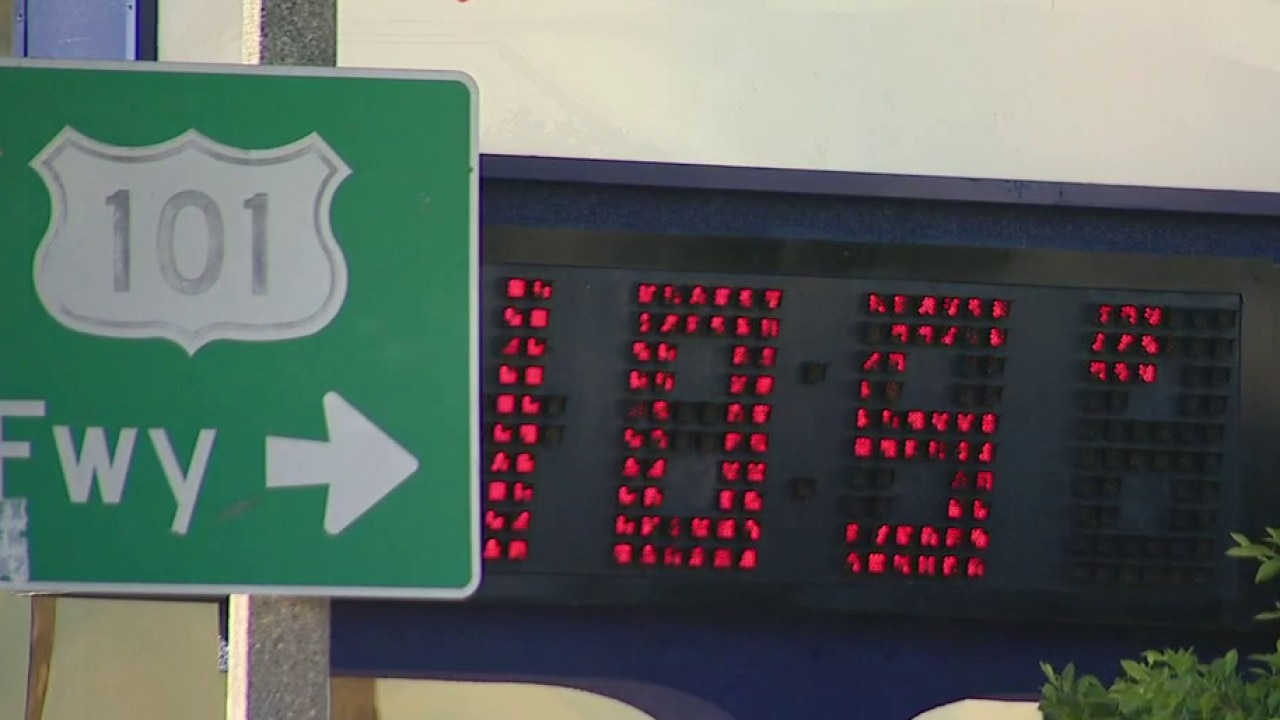
High heat, humidity hit Southern California
Parts of Southern California saw triple digit temperatures and rare humidity on Wednesday.
Elevated humidity levels continue to compound the thermal stress across affected areas.
The severe weather follows widespread coastal impacts caused by former Hurricane Marie.
In Malibu, 31 homes were red-tagged and local emergency measures were enacted after high surf caused a massive sinkhole at a beachfront property owned by actor Nicolas Cage, swallowing the driveway and blocking Sea Level Drive.
RELATED: Nicolas Cage’s Malibu home damaged after massive sinkhole swallows driveway
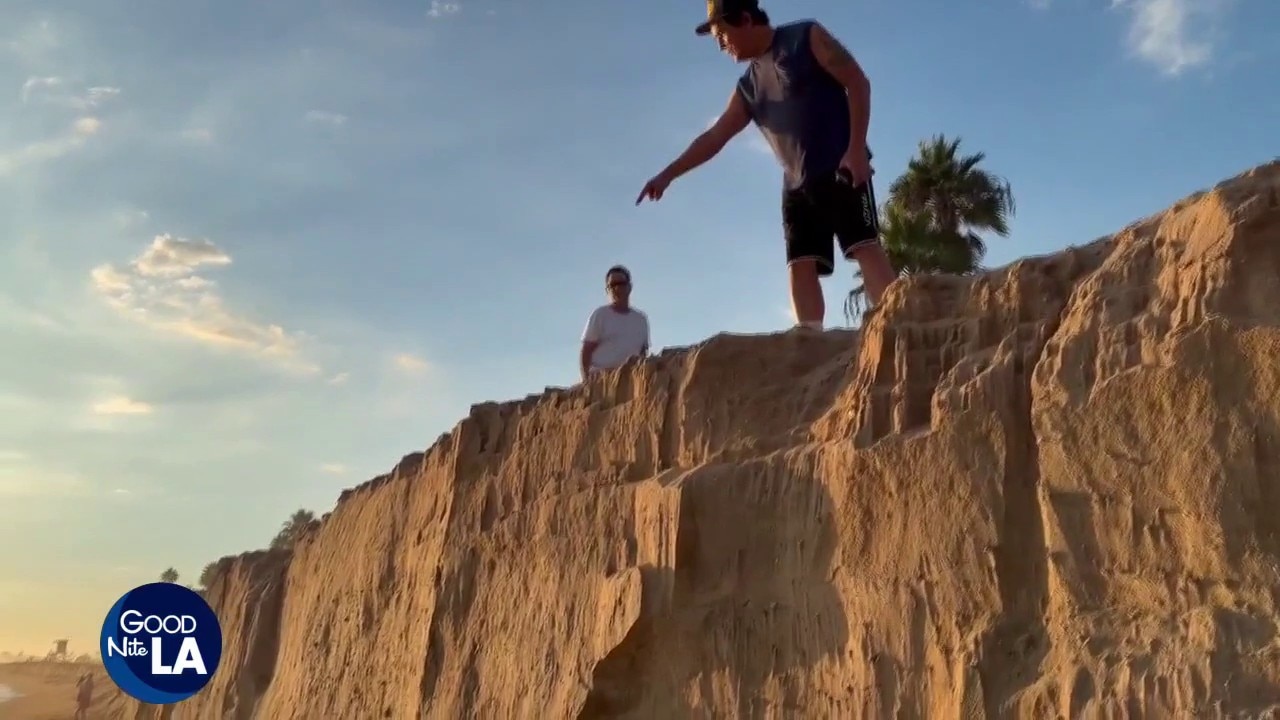
Marie swell causes dramatic beach erosion
Hurricane Marie’s powerful swell dramatically reshaped beaches across Orange County. Severe erosion near the Wedge and Balboa Pier exposed buried debris and created steep drop-offs.
In Dana Point, ocean swells battered coastal homes, resulting in seven red-tagged properties, two yellow-tagged properties, and one partial home collapse into the Pacific Ocean.
Long Beach residents on the Alamitos Peninsula were permitted to return home Wednesday after safety inspections revealed no red-tagged structures and only one yellow-tagged building.
RELATED COVERAGE: Hurricane Marie swell causes dramatic beach erosion in Newport Beach
Additionally, an ocean water quality rain advisory remains active for all Los Angeles County beaches due to elevated bacteria levels from early-week runoff.
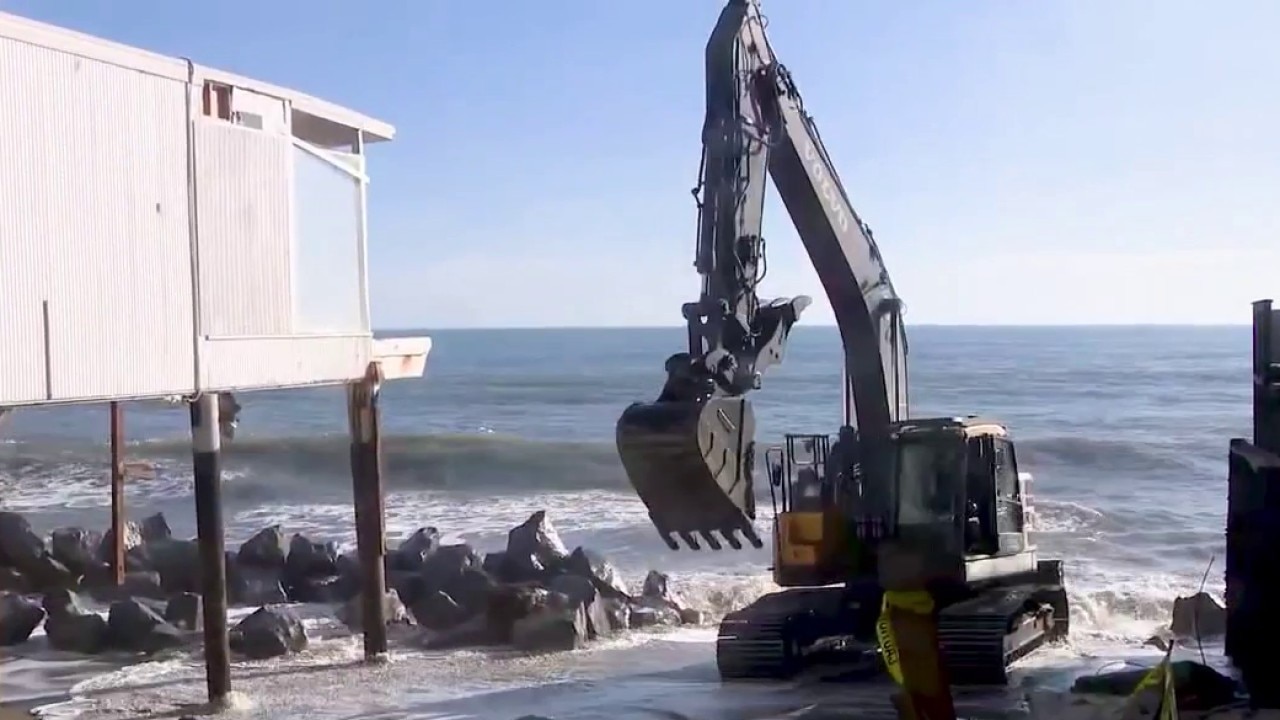
Repairs, rebuild underway in Dana Point
Repairs are underway in Dana Point after high surf and massive waves damaged homes by the water.
What we don't know:
Officials have not yet determined the full financial scope of the property and infrastructure damage caused by the high surf and coastal erosion across Malibu, Dana Point, and Long Beach.
It's unclear how long structural repairs and shoring efforts along Sea Level Drive in Malibu will take before normal access can be restored for all residents and emergency vehicles.
Timeline:
The intense conditions began earlier in the week when swells from former Hurricane Marie generated massive surf along Southern California beaches.
Early Tuesday morning, pounding waves caused the severe driveway collapse and sinkhole on Sea Level Drive in Malibu, prompting immediate evacuations and a local state of emergency declaration.
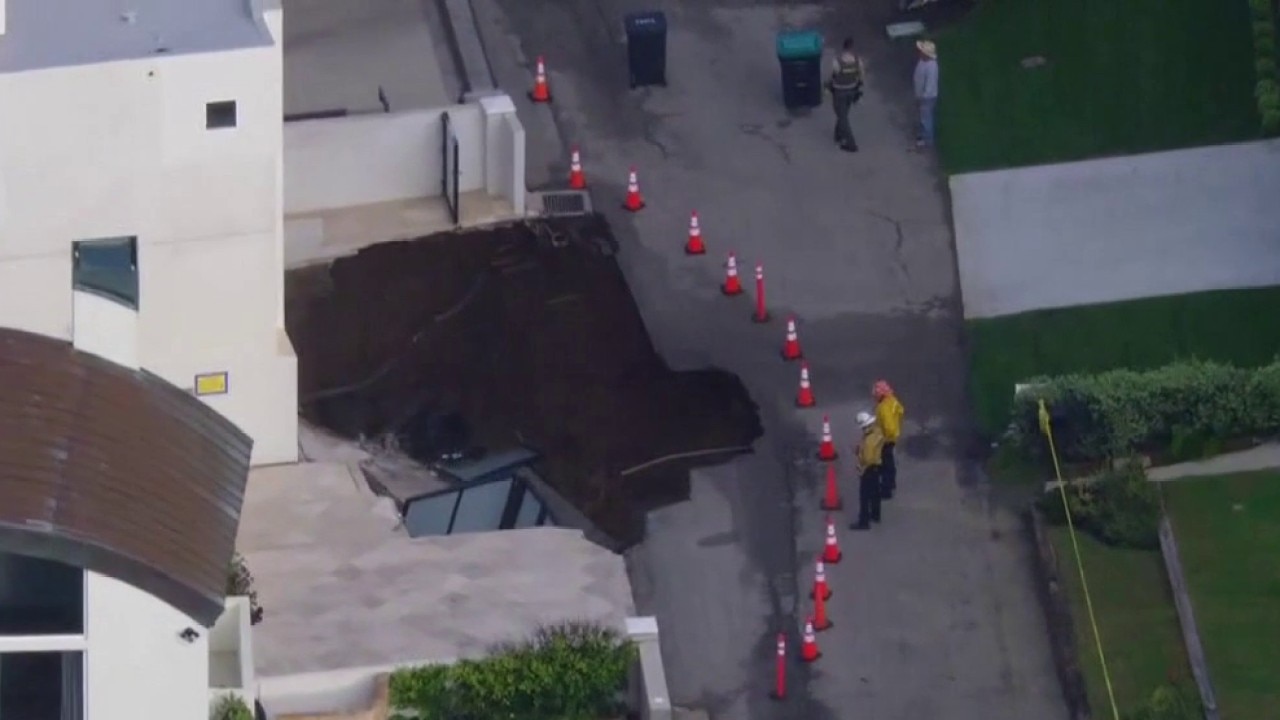
Malibu sinkhole leads to evacuations, emergency declaration
Officials warned conditions could worsen with high tides and rain associated with former Hurricane Marie.
By Wednesday, record-setting temperatures peaked across the region, while building inspectors in Long Beach completed damage assessments to allow residents back onto the Alamitos Peninsula.
Extreme heat warnings remain active through Thursday evening, alongside beach hazard and ocean water quality advisories.
A noticeable cooling trend will begin Friday and Saturday, culminating in below-average seasonal temperatures settling over Southern California from Sunday through Wednesday.
What they're saying:
NWS forecasters emphasized that severe heat risks persist despite slight atmospheric shifts.
"Humidity will still remain elevated on Thursday, resulting in continued significant heat issues," according to the NWS. Weather agency officials further noted that extreme heat warnings were kept active through Thursday evening because "even with the cooling, many areas would be well within advisory criteria."
What's next:
Relief from the thermal conditions is expected to arrive as onshore flow strengthens, the marine layer returns, and the high-pressure system continues to deteriorate.
By Sunday, temperatures across most of Southern California are projected to hover 5 to 10 degrees below seasonal averages, bringing more tranquil conditions through midweek.
Coastal emergency crews and construction teams will continue placing protective boulders along vulnerable shorelines in Dana Point and executing shoring repairs on affected roads and bluffs in Malibu.
What you can do:
- Hydrate & rest: Drink plenty of water and limit strenuous outdoor activity during peak afternoon hours.
- Check on others: Monitor vulnerable relatives and neighbors.
- Avoid bad water: Stay out of the ocean near storm drains, creeks, and rivers until advisories clear.
- Find cool spaces: Use libraries, malls, or official cooling centers if home A/C is unavailable (call 211 or visit ready.lacounty.gov/heat/).
- Save power: Set A/C to 78°F, block direct sunlight, turn off unused lights/electronics, and avoid using heavy appliances, stoves, or ovens during peak heat.
- Report outages: Call 1-800-DIAL-DWP or visit ladwp.com/outages.
The Source: This report is based on information provided by the National Weather Service, the Los Angeles County Department of Public Health, the Long Beach Fire Department, Malibu municipal representatives, and local emergency management agencies overseeing coastal recovery efforts.