

Kaiser Permanente strike enters 2nd week as more workers join picket lines
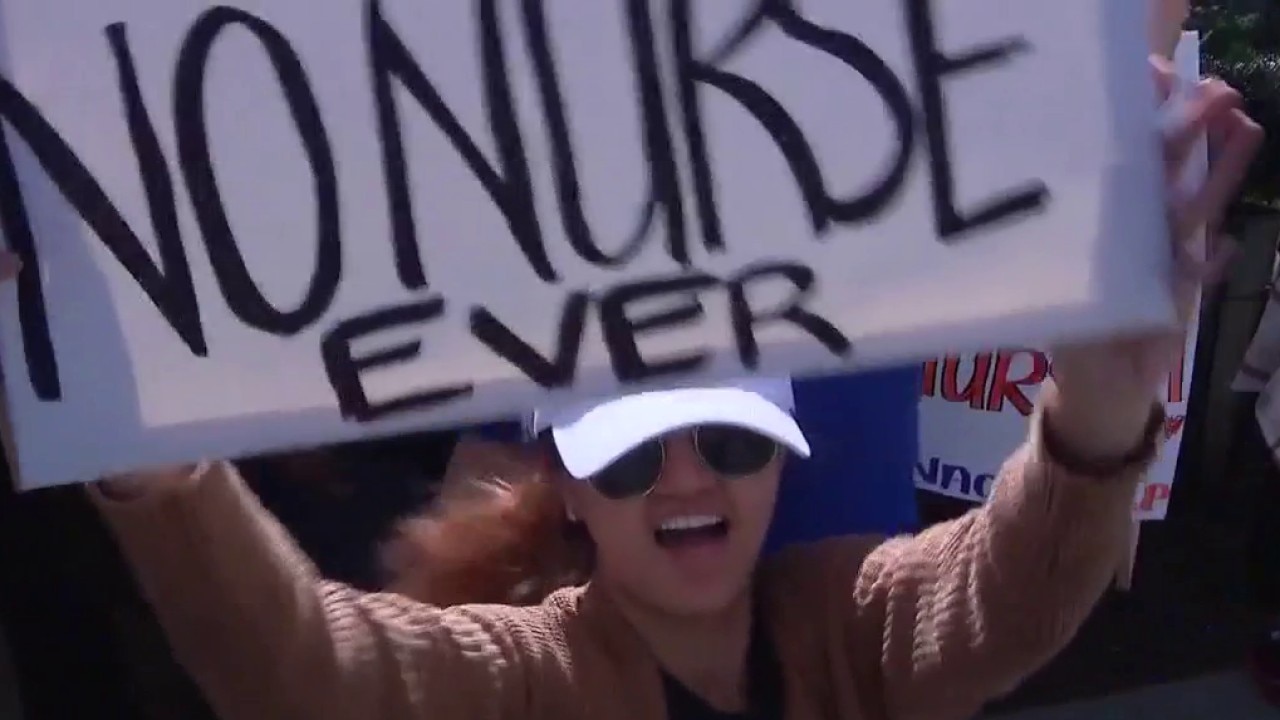
Kaiser Permanente strike enters 2nd week
Over 31,000 Kaiser Permanente health care workers entered the second week of an open-ended strike Monday across California and Hawaii.
LOS ANGELES - The massive, multi-state strike by thousands of Kaiser Permanente nurses and specialty health care professionals is continuing into its second week.
What we know:
As of Monday, February 2, picket lines remain active at dozens of facilities, with no immediate resolution in sight as both sides remain deadlocked over staffing levels and wage increases.
The strike, which began on January 26, involves approximately 31,000 members of the United Nurses Associations of California/Union of Health Care Professionals (UNAC/UHCP). This diverse group includes registered nurses, pharmacists, midwives, and rehab therapists.
PREVIOUS COVERAGE:
- Kaiser Permanente strike enters 5th day as 31,000 health care workers walk out
- Kaiser Permanente workers enter 2nd day of strike in California, Hawaii
- Kaiser Permanente workers across California, Hawaii go on strike
The primary driver of the walkout is an unfair labor practice charge filed with the National Labor Relations Board.
The union alleges that Kaiser Permanente walked away from the bargaining table in December and attempted to bypass the established national bargaining process.
Local perspective:
Picket lines continue at Kaiser hospitals and clinics across Northern, Central, and Southern California, as well as in Hawaii. Major hubs currently impacted include:
- Los Angeles/Orange County: Los Angeles Medical Center (Sunset Blvd), Anaheim, Irvine, Downey, and South Bay Medical Centers.
- Inland Empire: Riverside, Fontana, and Ontario Medical Centers.
- San Diego: Zion, San Diego, and San Marcos Medical Centers.
- Northern California/Central: Oakland, Roseville, Santa Clara, and Bakersfield locations.
What they're saying:
Union leadership maintains that the work stoppage is about patient safety and long-term sustainability.
"We're striking because Kaiser has committed serious unfair labor practices and because Kaiser refuses to bargain in good faith over staffing that protects patients," said Charmaine S. Morales, RN and president of UNAC/UHCP.
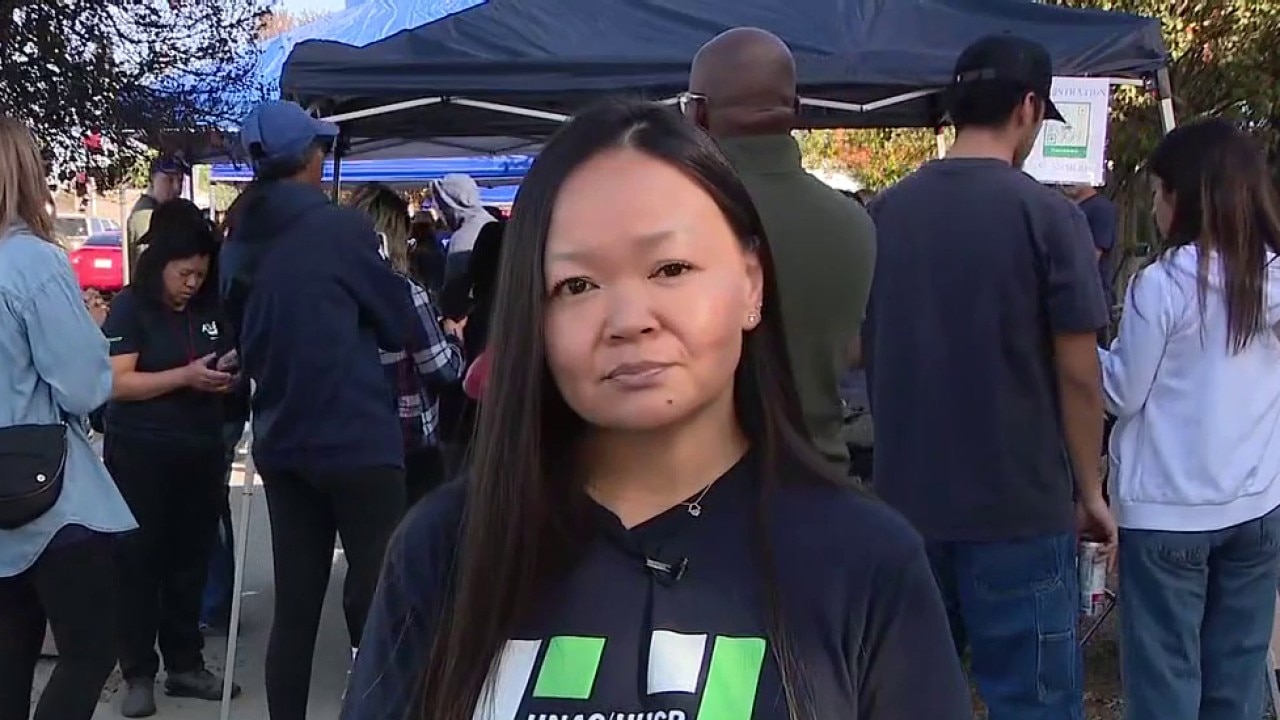
Kaiser nurses strike begins second week
The open-ended strike by 31,000 Kaiser Permanente health care professionals has entered its second week across California and Hawaii.
Kaiser Permanente management has pushed back, calling the strike "unnecessary."
The other side:
Camille Applin-Jones, senior vice president at Kaiser Permanente Southern California, stated that their offer includes a 21.5% wage increase, describing it as "one of the strongest nursing contract offers in California this year." She added, "Despite the union's claims, this strike is about wages... The strike is designed to disrupt the lives of our patients."
Kaiser released the following statement in response:
"Kaiser Permanente remains committed to its nurses, employees and patients as Alliance unions – including UNAC/UHCP – engage in open-ended strikes at some of its California and Hawaii facilities. The organization is focused on reaching a fair agreement that recognizes employees’ value while protecting access to affordable, quality care for members and patients."
Valuing Nurses and Employees
"We respect our nurses and employees and appreciate all they do every day to care for our members and patients," said Camille Applin-Jones, RN, senior vice president for Kaiser Permanente Southern California. "They deserve a fair contract that recognizes their value. Today, Kaiser Permanente nurses are among the best-paid caregivers in the country, and in every market, we offer pay and benefits that meet or exceed those of other health care organizations."
"Kaiser Permanente employees represented by UNAC/UHCP and the Alliance of Health Care Unions already earn, on average, about 16% more than similar roles at other health care organizations, and in some markets, up to 25% more. UNAC/UHCP-represented employees also receive some of the best benefits in health care, including:
- A fully paid defined benefit pension for most employees.
- A 401(k) savings program with employer contributions.
- Retiree medical coverage.
- Health insurance with minimal copays and cost sharing..
- An annual performance-sharing program."
Historic Contract Proposal Balances Pay and Affordability
"Our contract proposal is the strongest compensation package in Kaiser Permanente’s national bargaining history and keeps employees among the best-paid caregivers in the country," said Jones. "The total pay increase we are offering, including step increases, amounts to roughly 30% over the length of the contract, not including proposed benefits enhancements."
"By contrast, UNAC/UHCP’s demands for wage increases, wage scale adjustments, and step increases for nurses would amount to a 63% average pay hike over the contract. For example, a full-time RN in Southern California could see pay rise from $160,861 to $264,661. These demands would raise annual payroll by $3 billion—$1 billion more than Kaiser Permanente’s proposal—and would make health care less affordable for members, with broad implications for costs in all markets."
Strong Staffing Leads to Quality Care
"Union claims about Kaiser Permanente’s staffing and quality do not reflect the facts. For over two decades, Kaiser Permanente’s Southern California hospitals have had more nurses than state requirements, even during patient surges. Staffing is adjusted based on patient acuity, ensuring its hospitals remain among the best staffed in the state."
"We would not be able to earn these quality scores and deliver some of the highest quality care in the nation if the union’s claims about staffing were true," said Jones.
Ensuring Patient Care During Strikes
"We are committed to continuing local bargaining with UNAC/UHCP and hope the union will soon engage in a realistic conversation to close these negotiations," said Jones.
Timeline:
May 2025: Contract bargaining officially begins.
December 2025: Negotiations stall as the union alleges Kaiser abandoned the table.
January 26, 2026: The open-ended strike officially commences at 7 a.m.
January 29, 2026: UFCW locals issue a 10-day notice for pharmacy and lab workers to join the strike.
February 2, 2026 (Today): The strike enters its second full week of active picketing.
February 9, 2026: Expected start date for thousands of additional UFCW members to join the lines.
What's next:
The strike remains "open-ended," with no scheduled end date.
The situation is expected to intensify next Monday, February 9, when pharmacy and laboratory workers represented by the UFCW are scheduled to walk out in a show of solidarity.
Kaiser has stated that its facilities remain "fully operational" through the use of temporary contract professionals and managers.
The Source: This report is based on strike notices and bargaining updates released by the UNAC/UHCP and UFCW Local 770, alongside official corporate statements from Kaiser Permanente leadership. Information regarding picket locations and union allegations was verified through National Labor Relations Board filings and direct union press releases.