

Kaiser strike: Pharmacy, lab workers join picket lines as nurses enter 3rd week
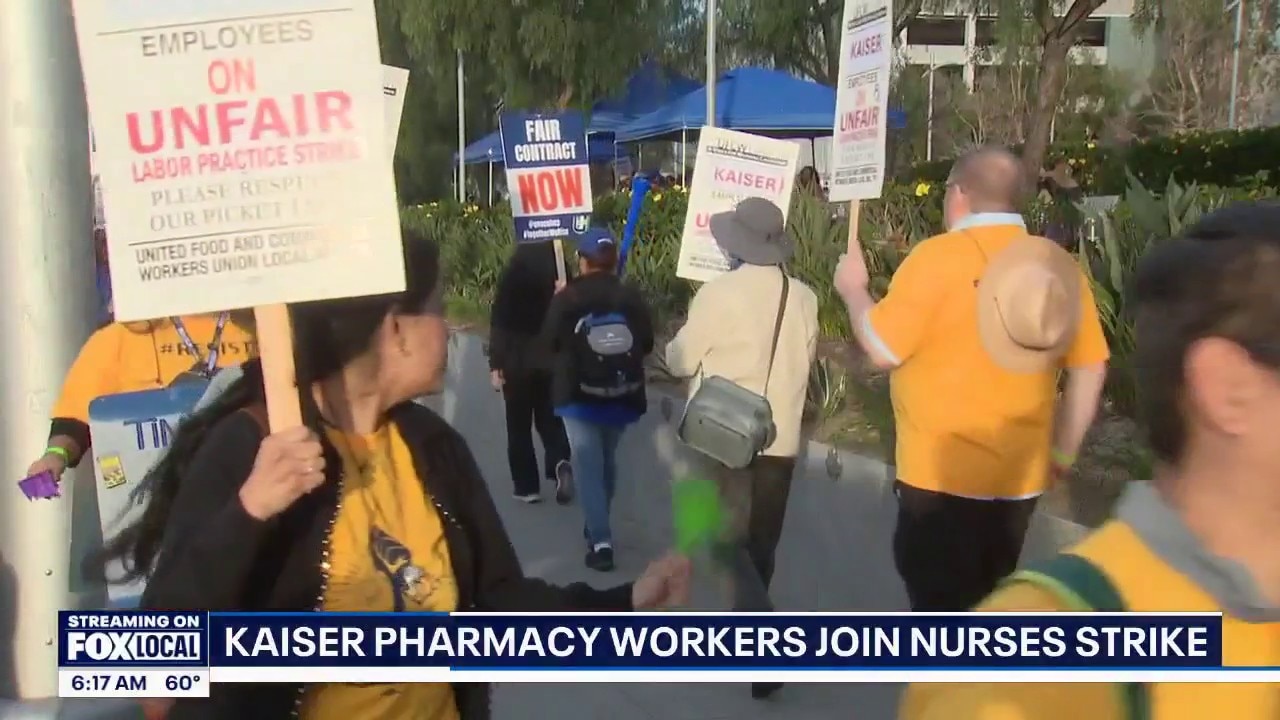
Kaiser pharmacy workers join strike
UFCW Southern California locals represent over 4,000 Kaiser Permanente frontline health care employees who work as pharmacy assistants, pharmacy technicians, clinical lab scientists, medical lab technicians and clinical and administrative workers.
LOS ANGELES - The massive labor strike against Kaiser Permanente entered a critical new phase on Tuesday, with picket lines swelling across California and Hawaii.
The addition of 3,000 pharmacy technicians and laboratory scientists to the existing 31,000-person nursing strike has turned the work stoppage into a significant test of the healthcare giant's regional operations.
What we know:
The strike led by the United Nurses Associations of California (UNAC/UHCP) has entered its third consecutive week.
On Monday, members of the United Food and Commercial Workers (UFCW) joined them for day two of their own walkout, impacting dozens of facilities across Los Angeles, Orange, and San Diego counties.
PREVIOUS COVERAGE: Kaiser Permanente strike growing in numbers
Kaiser Permanente reports that its hospitals and medical offices remain open, but acknowledged that some pharmacies and labs have been forced to close.
The company is currently utilizing contingency staff and relocating managers from other regions to maintain essential services.
What they're saying:
"Kaiser has ghosted us," said Geraldine Doronio, a member of the national bargaining team. "Our bargaining teams have reached out for dates multiple times with absolutely no response — not even a courtesy reply."
The union refuted Kaiser's allegation that workers have been threatened with fines if they returned to work.
" UNAC/UHCP does not fine members for returning to work," union officials said in a statement released Monday morning. "That claim is false. Our union has not threatened, intimidated, or retaliated against caregivers. Suggesting otherwise is inaccurate and designed to create fear and confusion rather than address the conditions that forced caregivers to take this lawful action.
PREVIOUS COVERAGE: Kaiser strike grows as additional workers walk out Monday
"This strike is legal, necessary, and focused on patient care. After more than eight months of bargaining, Kaiser continues to stall while frontline caregivers face daily understaffing, burnout, and delayed care for patients. Instead of engaging meaningfully, Kaiser is attempting to undermine a democratically authorized strike and distract from its own responsibility to ensure safe staffing and timely care."
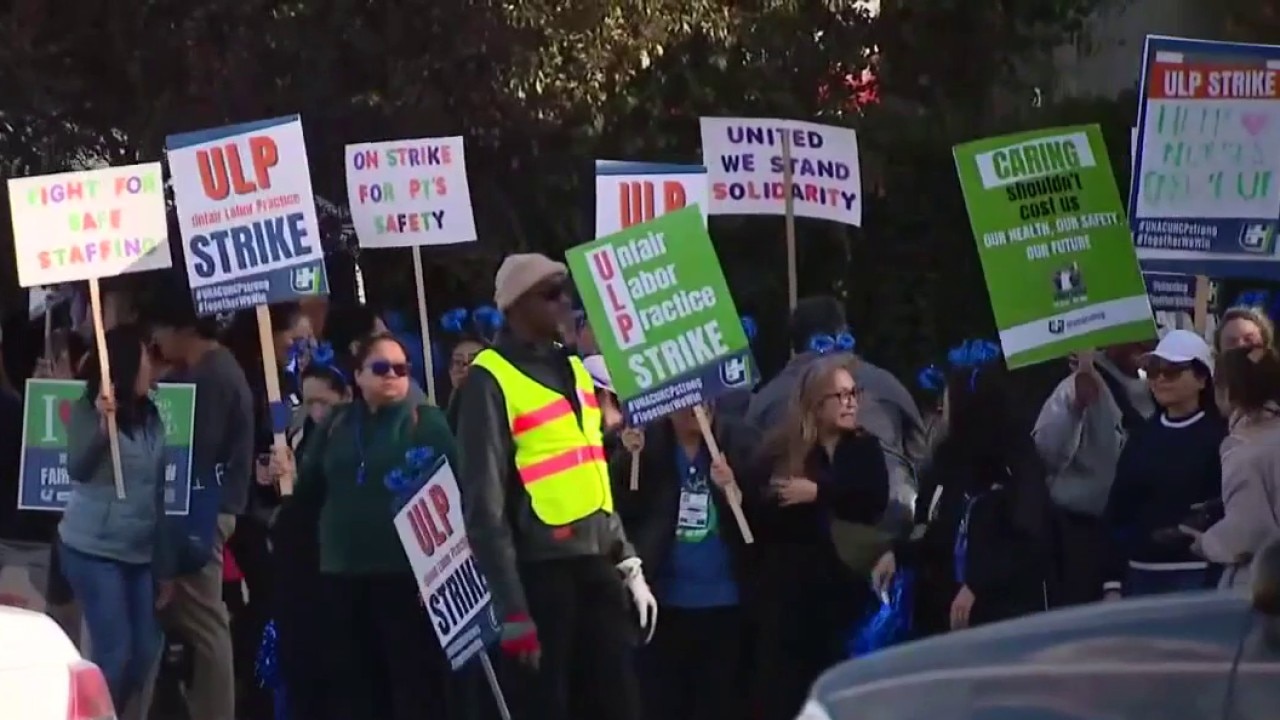
Kaiser Permanente strike growing in numbers
More Kaiser Permanente workers joined the picket lines as they extended the strike to Week 3.
The other side:
"We respect our nurses and employees and appreciate all they do every day to care for our members and patients," said Camille Applin-Jones, RN, senior vice president for Kaiser Permanente Southern California. "They deserve a fair contract that recognizes their value. Today, Kaiser Permanente nurses are among the best-paid caregivers in the country, and in every market, we offer pay and benefits that meet or exceed those of other health care organizations."
PREVIOUS COVERAGE: Kaiser Permanente strike enters 2nd week as more workers join picket lines
"Our contract proposal is the strongest compensation package in Kaiser Permanente’s national bargaining history and keeps employees among the best-paid caregivers in the country," said Jones. "The total pay increase we are offering, including step increases, amounts to roughly 30% over the length of the contract, not including proposed benefits enhancements."
Timeline:
- January 26, 2026: 31,000 nurses and healthcare professionals begin an open-ended Unfair Labor Practice strike.
- February 1, 2026: Contracts for UFCW clinical lab scientists and medical lab technicians expire.
- February 9, 2026: 3,000 pharmacy and lab workers launch a "second wave" strike.
- February 10, 2026 (Today): Massive solidarity rallies continue at facilities across Southern Caifornia.
What's next:
Negotiations remain stalled at the national level. The union is pushing for a $3 billion investment in wages and staffing to address "chronic burnout," while Kaiser has proposed a $1 billion package.
Solidarity rallies are scheduled to continue throughout the week at major medical centers, including the Los Angeles facility on Sunset Boulevard.
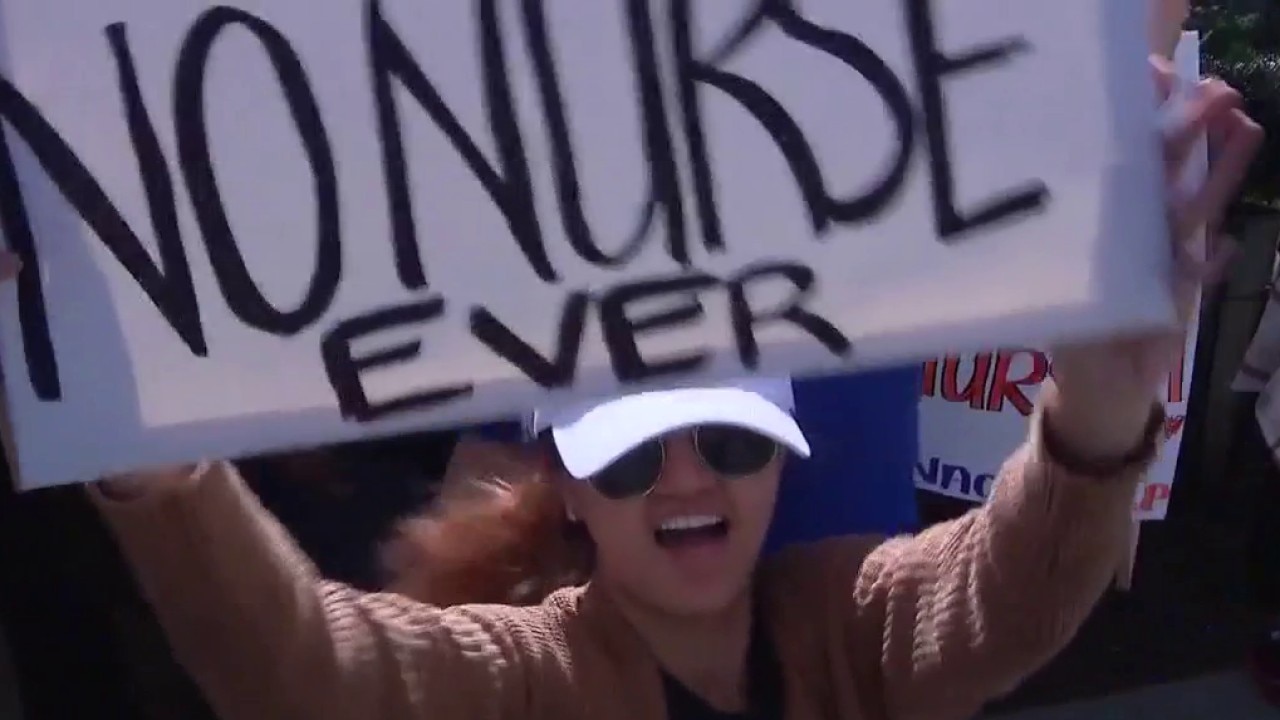
Kaiser Permanente strike enters 2nd week
Over 31,000 Kaiser Permanente health care workers entered the second week of an open-ended strike Monday across California and Hawaii.
What you can do:
- Verify Services: Before traveling, check kp.org/locations as many outpatient labs and pharmacies are operating on reduced schedules.
- Use Digital Tools: Refill prescriptions via the KP app or website for mail-order delivery to avoid physical pharmacy lines.
- Virtual Care: For non-urgent needs, Kaiser recommends the "Get Care Now" feature to access 24/7 same-day virtual appointments.
The Source: This report is based on current strike notices and press releases from the UNAC/UHCP and UFCW Southern California locals, alongside official operational updates provided by Kaiser Permanente.