

Warming waters: El Niño brings stingrays, humpback whales, and hammerhead sharks to Southern California
Unusual summer on SoCal beaches
Strong El Niño conditions have made the Pacific Ocean much warmer than normal, bringing in a host of marine life we usually don't see.
LOS ANGELES - Rising water temperatures driven by El Niño conditions are shifting coastal marine populations across Southern California.
Warm ocean currents moving north toward Greater Los Angeles and Orange County have brought higher numbers of tropical and subtropical species close to shore, altering typical wildlife activity along the coast.
Fueled by human-caused climate change and a rapidly strengthening El Niño, 2026 could surpass 2024 as the hottest year in modern history amid raging wildfires, deadly heat waves, and record-high ocean temperatures.
What we know:
According to reporting from The Associated Press, one of the most immediate signs of rising coastal sea temperatures is a massive spike in stingray activity along shallow surf zones, where round stingrays flock in search of food and temperate waters.
Lifeguards across Southern California beaches, spanning from Seal Beach to Huntington Beach, have reported record spikes in stingray stings as beachgoers step into crowded shallow waters.
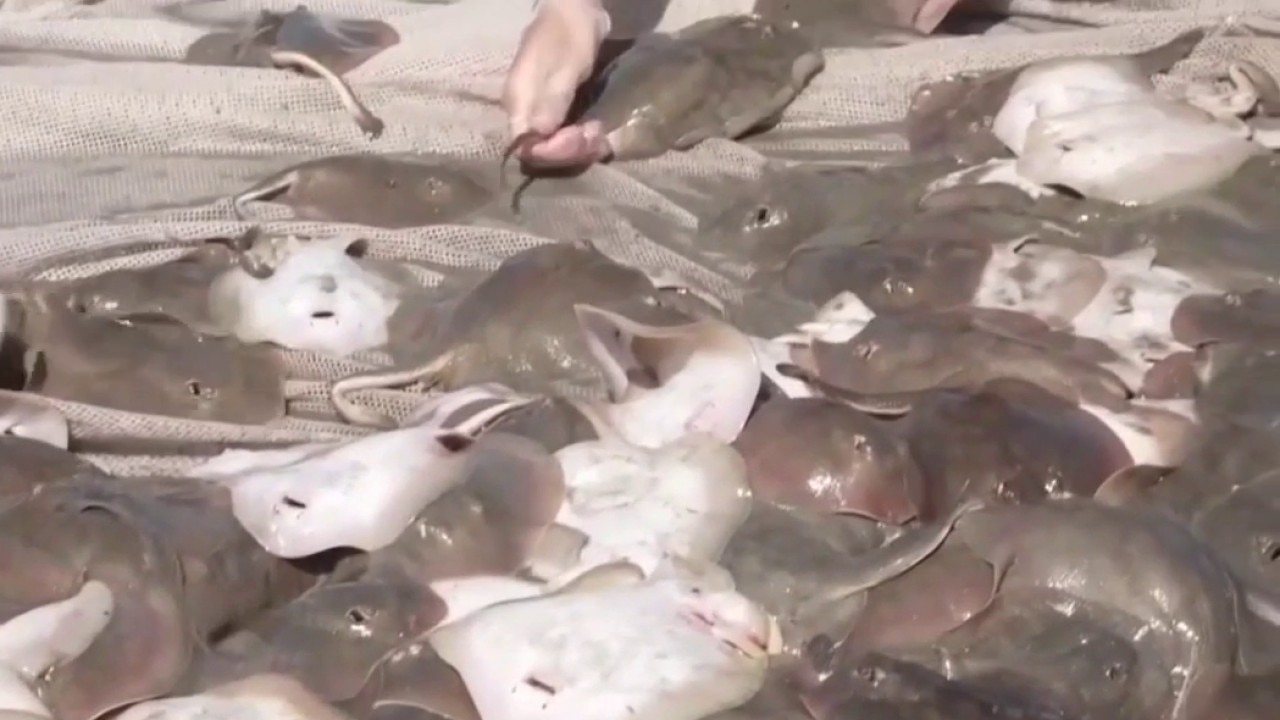
Stingrays surge in Southern California's warm waters
This year has seen even more rays with a marine heat wave persisting off parts of the West Coast, marking the third time on record that such a large section of coastal waters stayed warm for so long, according to the U.S. National Oceanic and Atmospheric Administration. In June, officials confirmed the formation of an El Niño, the natural warming of parts of the central Pacific that alters weather worldwide, that is expected to grow to historic strength.
Marine biologists noted that during El Niño warming events, these bottom-dwellers move into surprisingly shallow surf, making the "stingray shuffle" a necessity for swimmers.
This shift in sea surface temperatures triggers a broader ripple effect throughout the entire marine food chain.
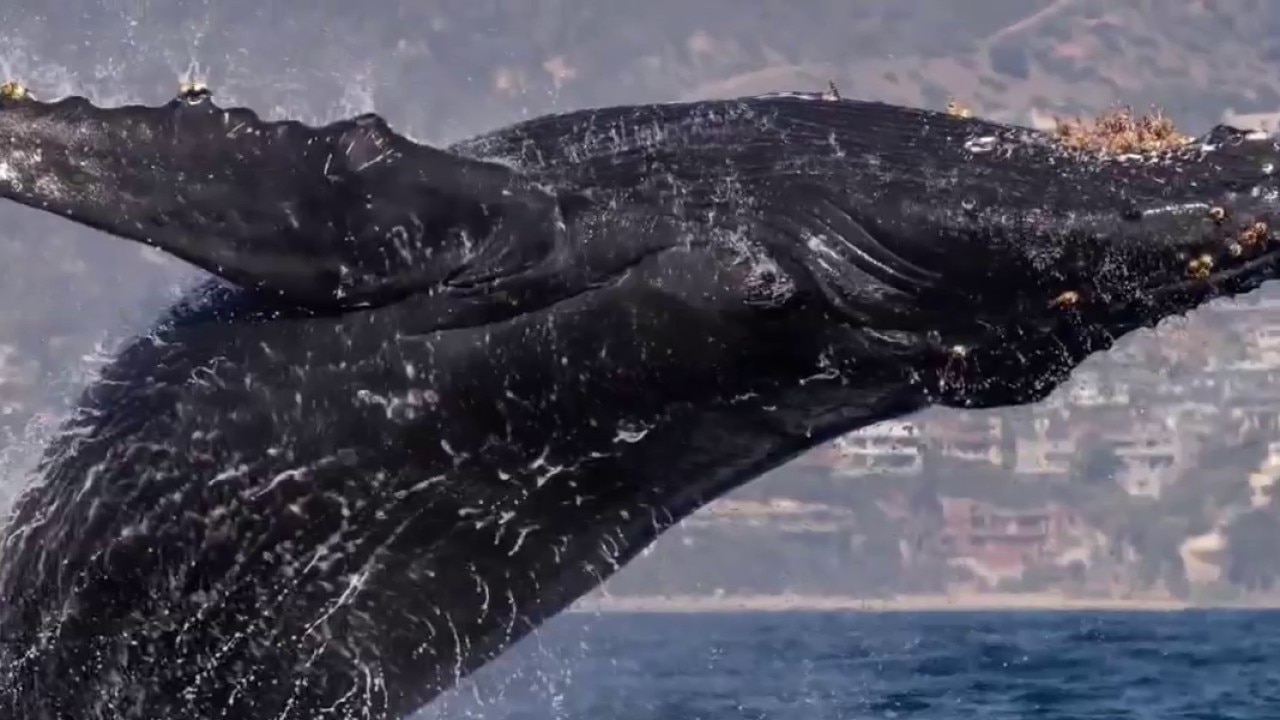
Warm-water anchovies and krill thrive in shifting thermal pockets, bringing humpback whales unusually close to shore.
Whale watchers off Newport Beach and Palos Verdes have documented stunning displays of humpback breaches just hundreds of yards from public beaches.
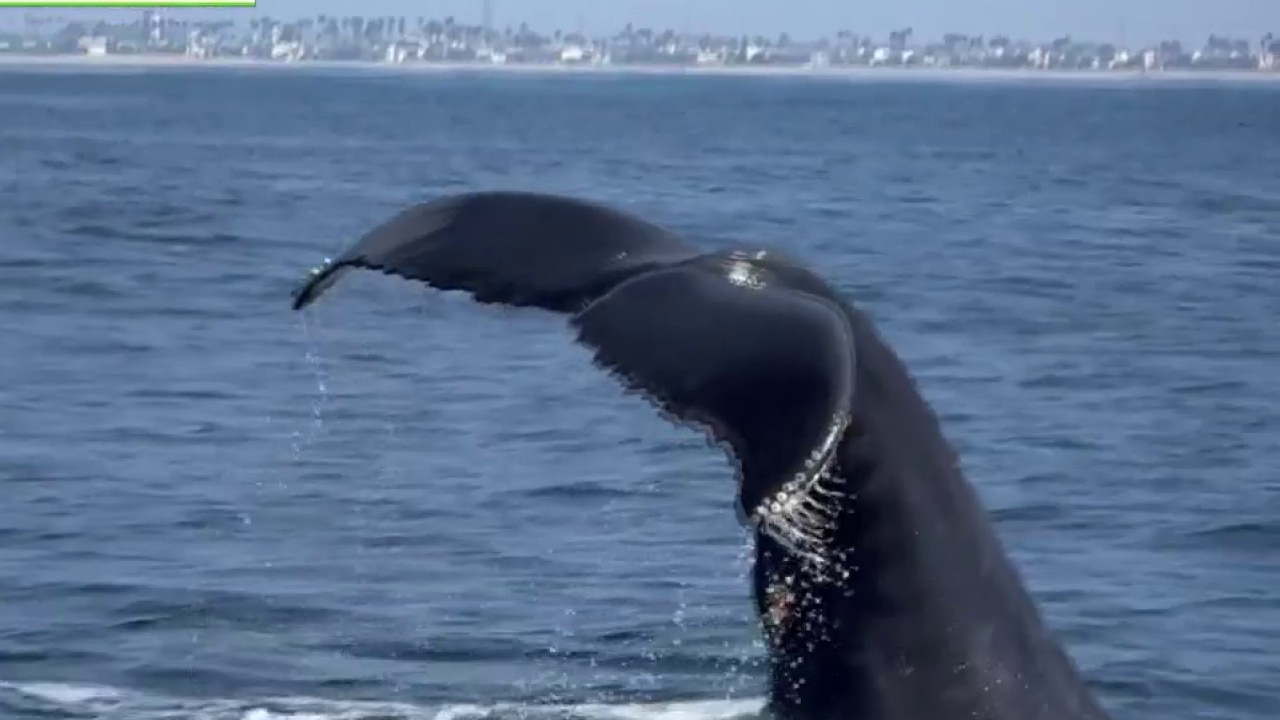
Humpback whales spotted off Newport Beach coast
Chompers and Chris, along with their young, are just some of the many humpbacks that have been spotted recently in the area.
There have been sightings of species rarely seen so far north, including sub-tropical hammerhead sharks in Malibu —which follow warm-water eddies into Southern California coastal waters from Baja California during strong El Niño years—as well as game fish like Dorados (Mahi-Mahi) and Yellowtail.
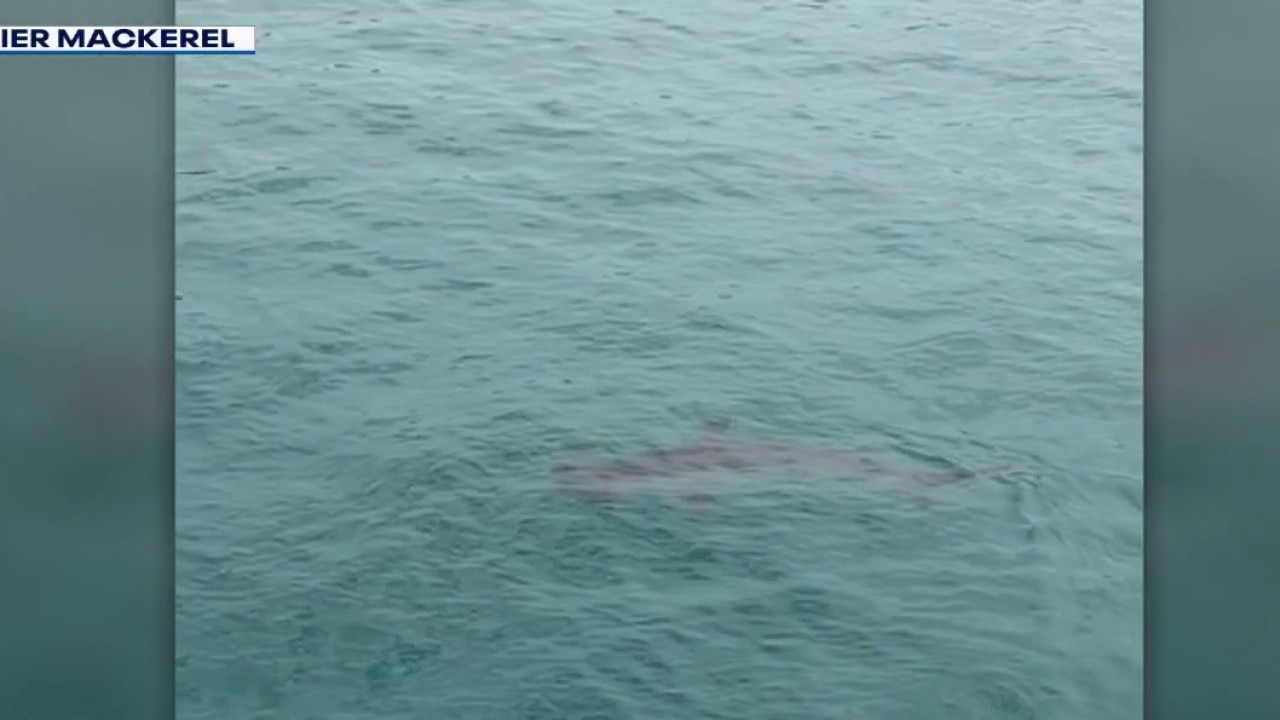
Rare hammerhead shark spotted in Malibu
Hammerhead shark sightings are rare off Southern California, but can occur during warm-water events.
Big picture view:
On a broader scale, the planet is experiencing extreme weather conditions, marked by wildfires across North America and Europe, deadly urban heat waves, and record-high ocean temperatures.
Currently, 2026 ranks as the third-hottest year on record, behind 2024 and 2025.
However, daily sea surface temperatures have tied or broken 2024 records almost every day since June, with marine heat waves blanketing roughly 82% of the world’s ocean surface, according to the Copernicus Climate Change Service.

Record-breaking heatwave continues to scorch Europe
Temperatures hit 104 degrees Fahrenheit) in parts of Europe recently as storms moved into other areas, with France reporting 1,000 excess deaths during the record-breaking heatwave.
Ocean heat content—a key indicator of human-caused climate change—continues to set all-time high records.
What we don't know:
Key questions remain regarding the long-term extent of this environmental warming trend.
Researchers and scientists do not yet know the exact duration or the ultimate peak temperatures of the current marine heatwave across Southern California coastal waters.
It's also unclear how long non-native tropical predator species, such as hammerhead sharks, will remain in local waters before migrating back south as seasonal shifts occur.
RELATED COVERAGE:
- El Niño, climate change expected to bring record-breaking heat
- Super El Niño developing in the Pacific
- What would El Niño this summer mean for California's winter?
On a global scale, scientists disagree on whether 2026 will ultimately take the crown as the single hottest year in modern history.
While former NASA climate scientist James Hansen predicts 2026 will edge out 2024 by year's end, others see it coming close without necessarily surpassing it. Projections remain in flux as agencies update their probability models to account for the rapid intensification of the forecast El Niño.
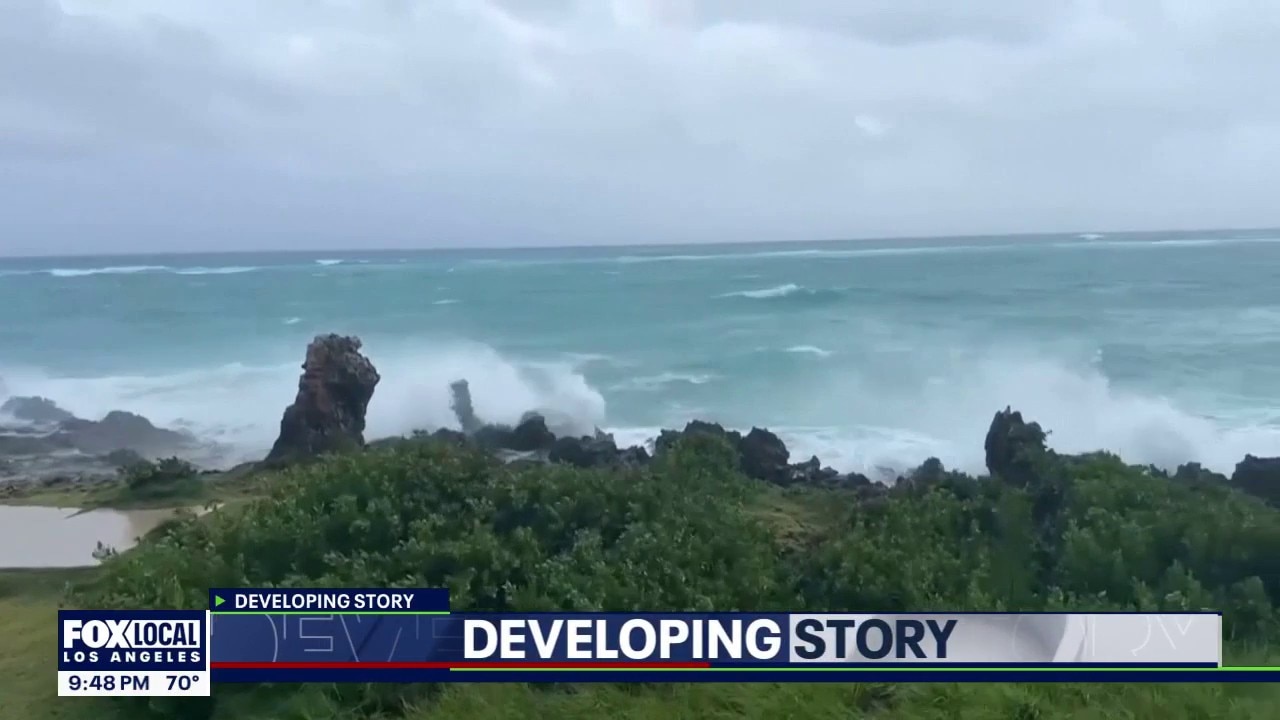
El Niño, climate change expected to bring record-breaking heat
So far this is only the third-hottest year, behind 2024 and 2025, climate statistics show.
While a massive El Niño heavily tilts the scale toward a grueling winter, atmospheric outcomes are never completely guaranteed. Meteorologists cannot yet pinpoint the exact timing, frequency, or rainfall totals of the storms bound for Southern California.
Additionally, while scientists predict stronger El Niños as the world warms from the burning of coal, oil, and gas, it is still too early to definitively say if this specific event is a direct result of that long-term trend.
What they're saying:
Marine biologists have emphasized that during El Niño warming events, bottom-dwellers like round stingrays naturally move into surprisingly shallow surf zones. This behavior significantly increases interactions with beachgoers and makes extra precautions necessary for anyone entering the ocean.
"Because the world was on fire in different ways. The world is now on fire again with climate change in a way that’s increasingly difficult to ignore," said climate scientist Zeke Hausfather of Berkeley Earth. "It’s going to keep getting worse."
Zachary Labe, a climate scientist at Climate Central, noted that El Niño events always release pent-up ocean heat, but because greenhouse gases trap heat—with 90% going into the oceans—there is significantly more heat available to release.
Forecasters and global leaders are highlighting the sheer historical scale of the data they are tracking, urging both preparation and nuance. "There is a 63% chance of a very strong El Niño during November-January that would rank among the largest El Niño events in the historical record going back to 1950," forecasters said. "Even very strong El Niño events do not lead to the expected impact everywhere, but stronger events can more significantly tilt the odds in favor of expected outcomes. In summary, El Niño conditions are present and expected to strengthen into the Northern Hemisphere winter 2026-27."
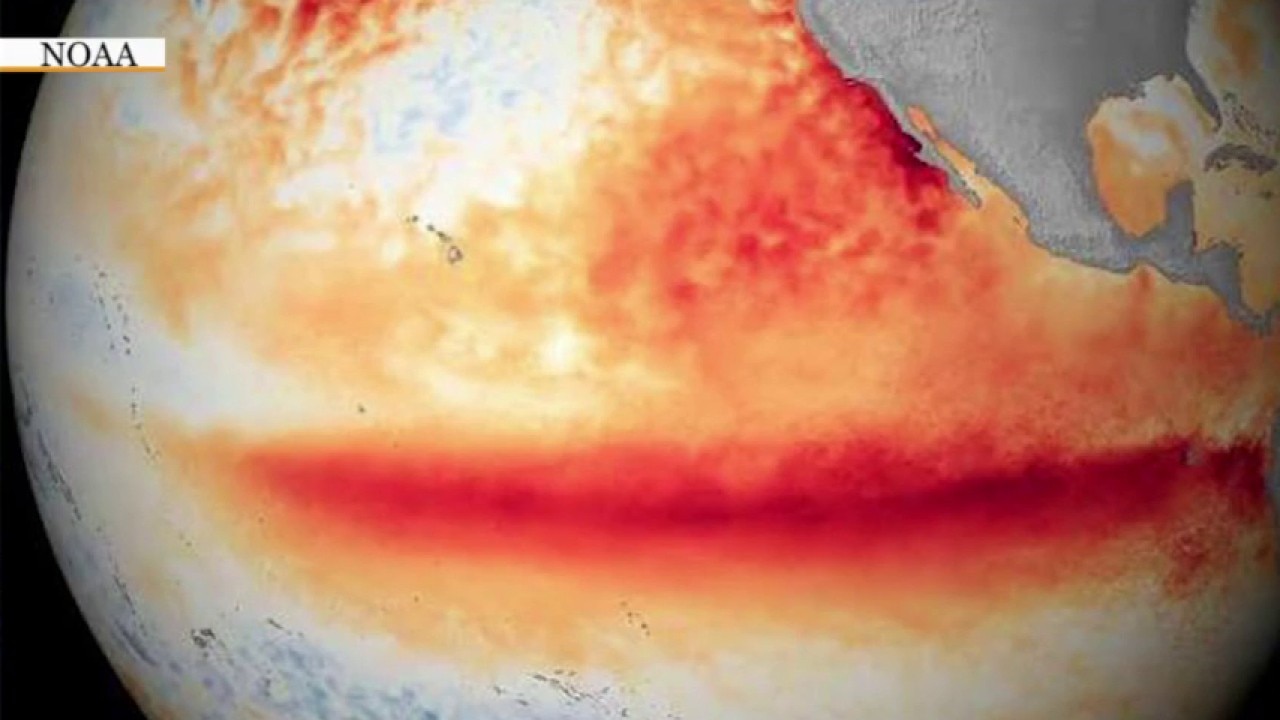
NOAA issues massive El Niño warning
According to a report from the National Oceanic and Atmospheric Administration (NOAA), there is an 81% chance that the current, rapidly intensifying El Niño weather pattern will become "very strong" by autumn. Driven by a combination of natural ocean warming and human-induced climate change, Pacific water temperatures are reaching record levels. This developing phenomenon is expected to bring severe weather impacts between autumn and winter, increasing the probability of droughts, heatwaves, and a wetter winter across the southern United States, while simultaneously weakening the Atlantic hurricane season.
Ken Graham, director of the National Weather Service, emphasized that preparation relies on analyzing these systems as individual events. "Every El Niño is not the same; each one is unique with its own imprint on our weather," Graham said in a statement. "Advanced monitoring and an improved understanding of El Niño patterns allow the NWS to better predict and better prepare the public and our core partners for what is to come."
Officials explain that these marine ecosystem shifts are early warning signs of broader weather impacts.
They note that El Niño shifts the Pacific jet stream southward and brings warmer sea-surface temperatures that act as fuel for heavy winter storms, coastal erosion, and atmospheric rivers across California. Coastal experts add that these warm water events serve as a direct preview of shifting climate baselines, reminding Southern California that its vibrant ocean front is directly connected to global weather engines thousands of miles away.
What's next:
In the coming months, meteorologists expect the warm sea-surface temperatures associated with El Niño to continue fueling atmospheric rivers, elevated rainfall, and a heightened risk of coastal erosion throughout the winter season.
Because El Niño releases massive amounts of stored ocean heat into the atmosphere, scientists expect global temperature spikes to intensify further toward the end of the year and carry heavy warming momentum into 2027.
Southern California could be in for a particularly wet and volatile winter, as meteorologists warn a brewing El Niño in the Pacific Ocean may rapidly intensify into one of the most powerful ocean-atmosphere disruptions recorded in the last 75 years. Forecasters at the National Weather Service's Climate Prediction Center have officially recorded above-average sea surface temperatures across the central and eastern Pacific Ocean near the equator in the region known as ENSO 3.4, over 3,000 miles away from the West Coast.
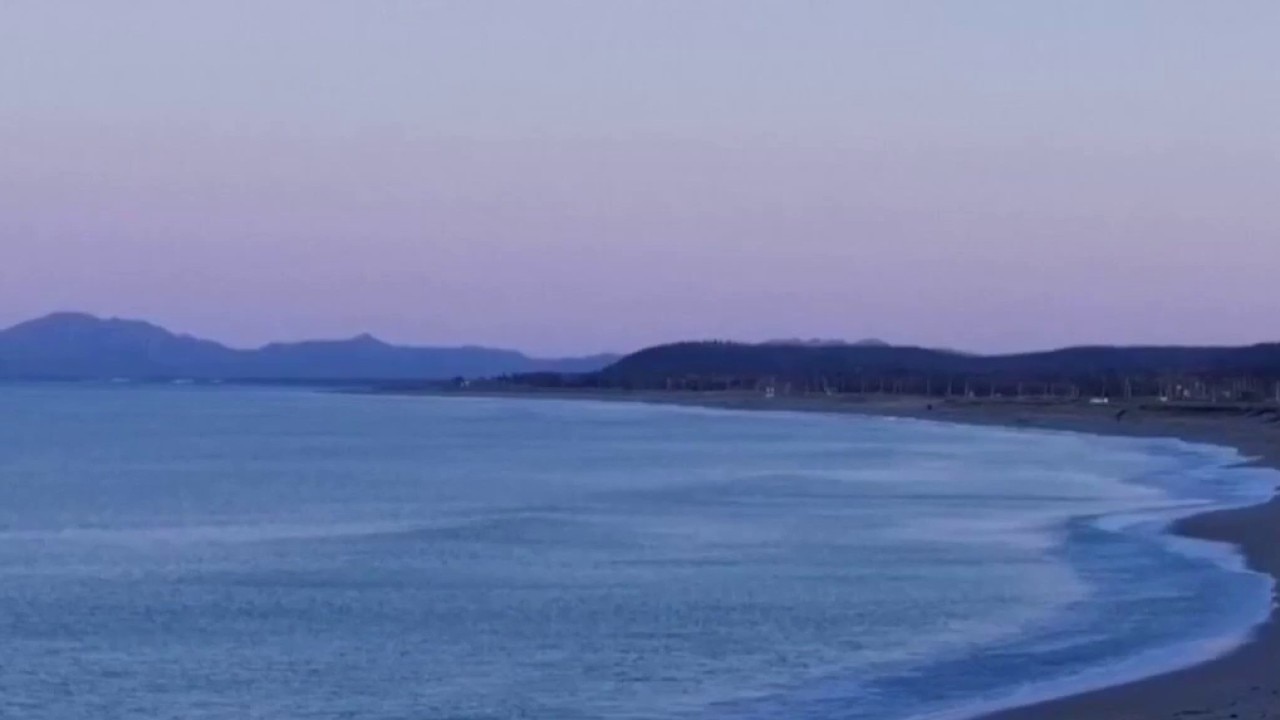
Powerful El Niño could mean wet winter for SoCal
Typical impacts of El Niño generally include stormier weather in the southern United States -- meaning more rain and snow. It also can lead to increased risk of flooding during high tides on the West Coast. Harmful algae blooms are also a potential effect on the West Coast.
These conditions are actively favoring the development of El Niño, which is expected to steadily strengthen on an intensity scale running from weak to moderate to strong to very strong (defined by water temperatures in the Equatorial Pacific exceeding 2 degrees Celsius over a 3-month period). The phenomenon typically shifts the polar jet stream southward over the northern Pacific Ocean.
While this redirects moisture away from the Northern Rockies, the Pacific Northwest, and the Ohio and Tennessee valleys—leaving them warmer and drier—it funnels a conveyor belt of stormy conditions directly into the southern tier of the United States.
For California, this setup traditionally triggers dramatically increased precipitation, alongside an elevated risk of flooding during high tides and the potential for harmful algae blooms along the West Coast. While there are no guarantees—as seen in the 2015–2016 event where parts of the Bay Area recorded below-average rainfall despite a very strong system—a strong El Niño generally boosts the potential for above-average rainfall across the southern half of the state.
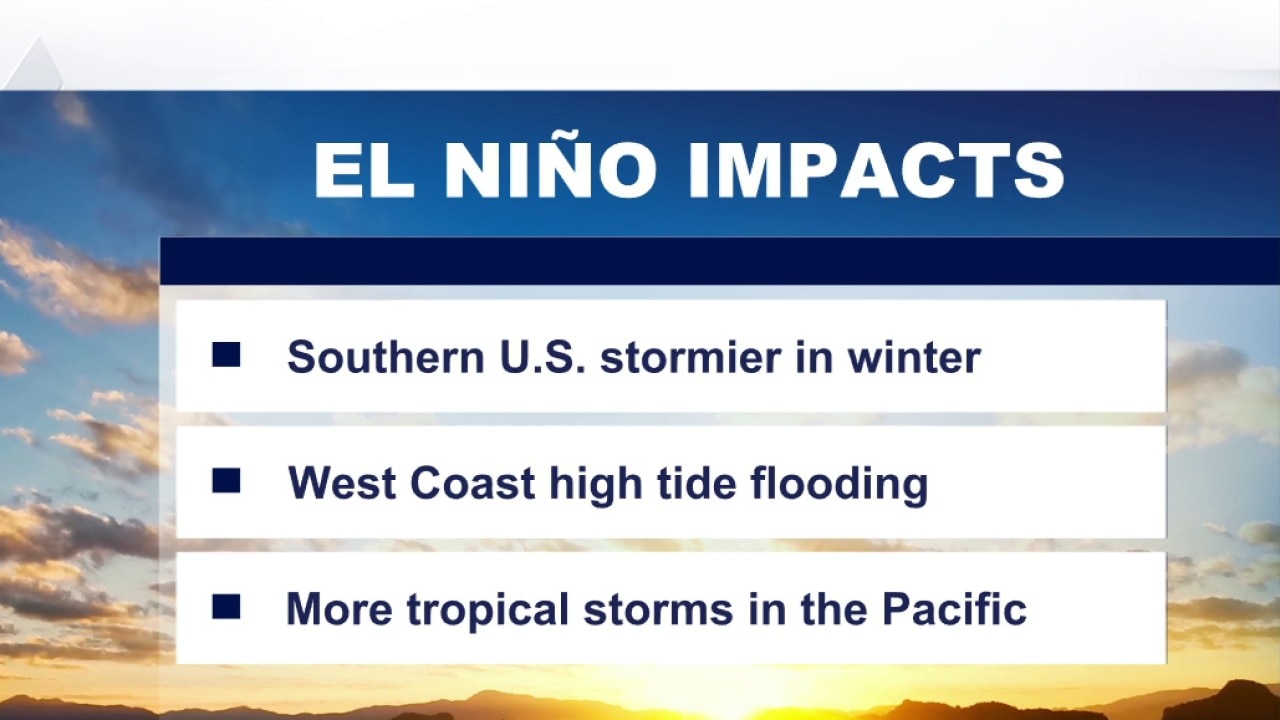
How will El Nińo impact Southern California?
A potential "super El Niño" could bring a stormier winter to California, particularly Southern California
Meteorologists and research teams will continue to track the warm, deep waters pushing toward the surface of the Pacific Ocean to see if the system continues its trajectory toward "super" or "Godzilla" status.
Industries are also preparing for shifting economic realities. While the weather pattern tends to generally benefit the U.S. agriculture industry—particularly grain and soybean setups in 18 major growing states—the overall temperature increases can dampen American economic growth as a whole. Some forecast models suggest that the pending El Niño event for the winter of 2026-2027 could approach the higher extreme of the very strong range, drastically affecting winter storm patterns.
What you can do:
- Do the "Stingray Shuffle": When entering shallow surf at beaches, slide your feet through the sand rather than taking step-by-step strides to alert bottom-dwelling stingrays and avoid accidental stings.
- Follow Lifeguard Warnings: Check in with local lifeguard towers for real-time beach safety updates regarding stingray counts, high surf, or predatory wildlife sightings before entering the water.
- Monitor Local Weather Forecasts: Stay updated through verified sources like local meteorologists and NOAA to prepare for potential heavy winter storms, localized flooding, and coastal erosion tied to El Niño.
The Source: This report is based on information provided by The Associated Press (AP), FOX Weather, local meteorologists from FOX 11, the National Weather Service's Climate Prediction Center, the Copernicus Climate Change Service, and the National Oceanic and Atmospheric Administration.