

Palisades Fire trial: Jury deliberations to continue in historic LA wildfire arson case
No verdict yet in Palisades Fire trial
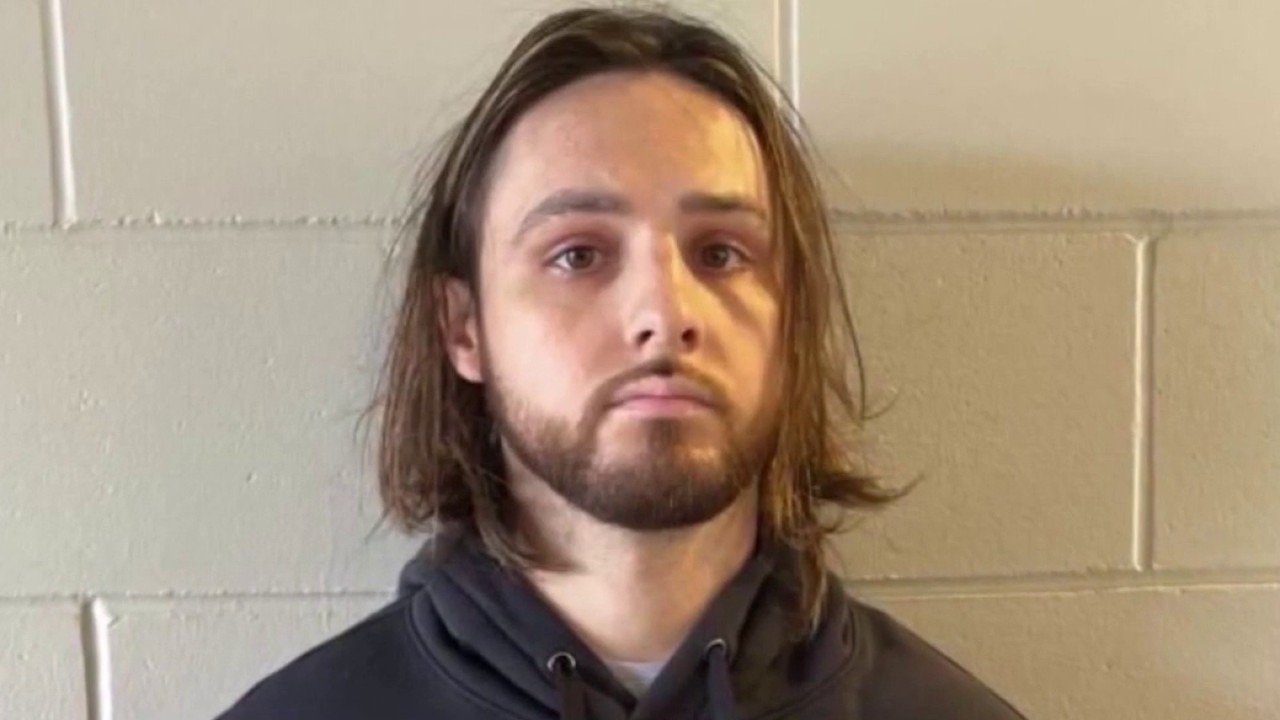
A federal jury in Los Angeles deliberated Wednesday in the trial of 30-year-old Jonathan Rinderknecht, accused of igniting the most destructive wildfire in the city's history.
LOS ANGELES - No verdict on Wednesday in downtown Los Angeles to determine if Jonathan Rinderknecht is responsible for setting the devastating Palisades Fire.
The 30-year-old dual French and U.S. citizen faces up to 45 years in prison if convicted of three arson-related federal charges linked to the January 2025 catastrophe.
What we know:
The prosecution alleges that Rinderknecht ignited the initial brush fire—dubbed the Lachman Fire—around midnight on New Year's Eve 2025 in a remote area near the Pacific Palisades' Summit neighborhood.
While firefighters initially believed they had extinguished the blaze, prosecutors state it smoldered underground within root systems before resurfacing on January 7, 2025.
Palisades Fire arson trial: Jury deliberations begin
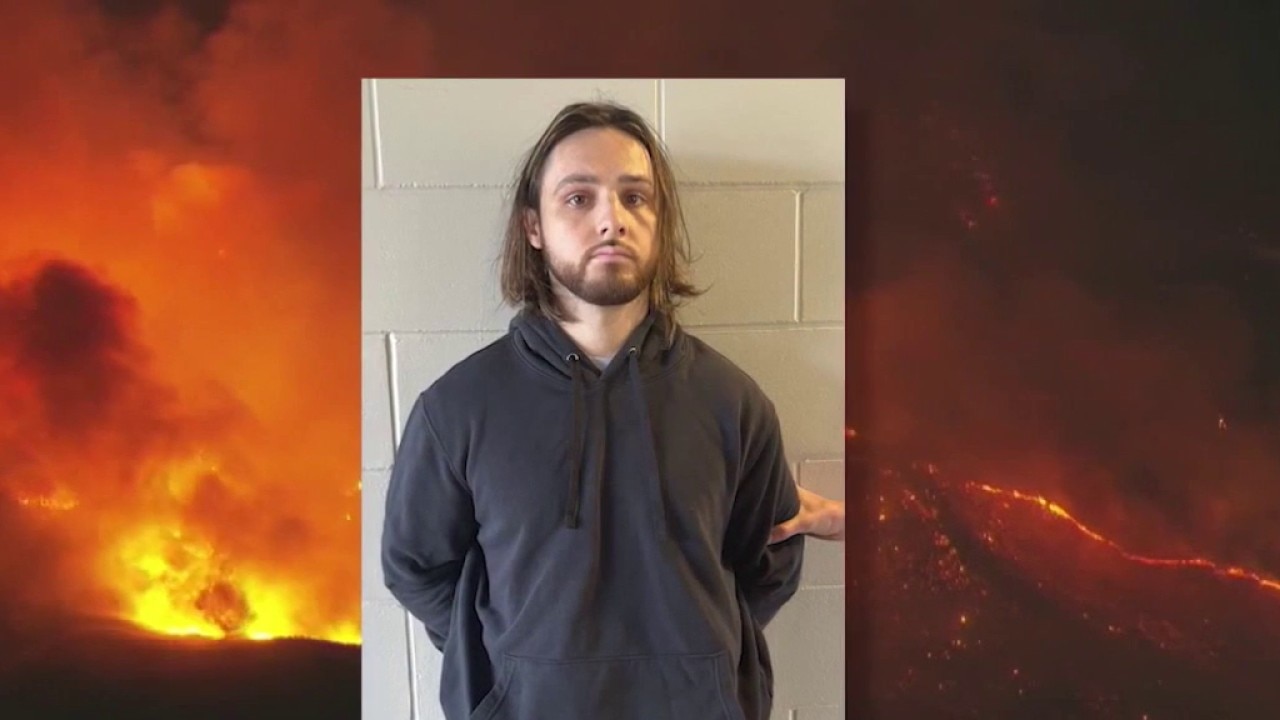
A federal jury is set to begin deliberating Wednesday in downtown Los Angeles on whether accused Palisades Fire arson suspect Jonathan Rinderknecht should be held responsible for setting what became the most destructive wildfire in Los Angeles history.
Driven by intense Santa Ana winds, it became the multi-day Palisades Fire, burning 23,448 acres, destroying roughly 6,800 structures, and killing 12 people.
To build their case, prosecutors presented digital evidence, including video surveillance and geolocational cell phone data placing Rinderknecht on the trail at the time environmental sensors recorded the fire's start at 12:12 a.m. records show Rinderknecht attempted to call 911 multiple times but failed due to poor reception before finally connecting at the bottom of the trail.
He then drove away, turned around to follow arriving fire engines, walked back up the trail to film the scene, and recorded a video at 1:02 a.m.
Additionally, investigators found a green Bic grill lighter inside his rented vehicle.
PREVIOUS COVERAGE:
- Prosecutors paint Palisades Fire suspect as a premeditated arsonist in opening statements
- Jury selection begins in trial of man accused of sparking deadly Palisades Fire
- Recorded call with LA Mayor Karen Bass resurfaces as dispute grows over wildfire warnings
The prosecution closed its case with testimony from Andy Leonard, owner of the Reel Inn, a popular 38-year-old Malibu seafood restaurant completely leveled by the blaze.
What we don't know:
No one knows exactly when or how the fire started because nearby security cameras missed the actual spark.
PREVIOUS COVERAGE: Bass denies softening Palisades Fire report
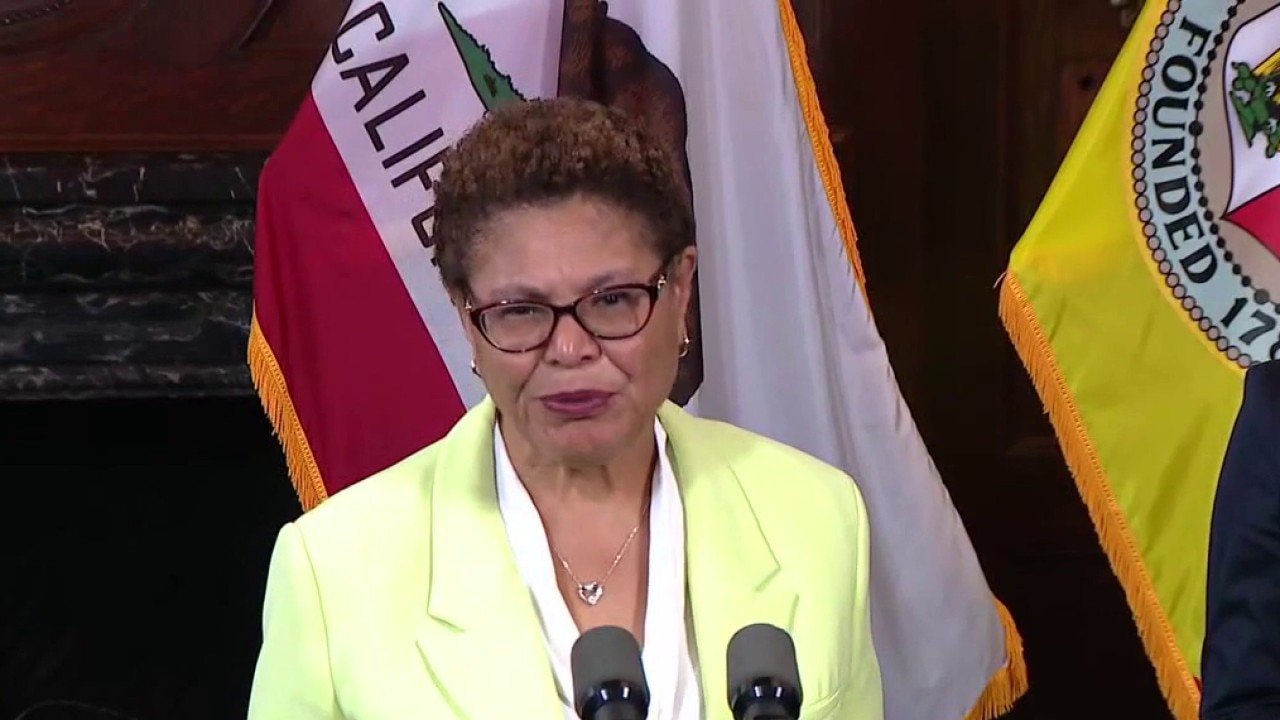
According to the LA Times, Bass calls the allegations "completely fabricated."
On top of that, investigators didn't block off the area as a crime scene until weeks later, meaning crucial physical evidence was likely ruined by bad weather and people walking through the site.
Timeline:
- December 31, 2024 / January 1, 2025: At 12:12 a.m., environmental sensors detect a brush fire near the Summit neighborhood. Rinderknecht makes several failed 911 calls before successfully reporting the fire from the bottom of the trail, later returning to film the scene at 1:02 a.m.
- January 7, 2025: After smoldering underground for nearly a week, the fire erupts into the open as the deadly Palisades Fire, propelled across tens of thousands of acres by Santa Ana winds.
- Mid-2025: Rinderknecht undergoes an eight-hour interview with federal investigators months before his arrest, where he admits to being alone on the trail and notes he may have smoked cigarettes at the scene.
- June 2026: The 10-day federal criminal trial concludes in Los Angeles with closing arguments on Tuesday, moving to jury deliberations on Wednesday morning.
What they're saying:
The defense attorney spoke on Wednesday after federal jurors deliberated for the day.
"We don't have a verdict yet. The jury will return tomorrow at 8 a.m. to continue to deliberate," said defense attorney Steven Haney.
He weighed in on the fact that jurors would be taking another day to deliberate.
"You don't want to read too much into anything, but obviously they are giving strong consideration to the government's case and that's always a good sign for the defense," said Haney.
Assistant U.S. Attorney Danbee Kim argued during her summation that Rinderknecht was driven by deep ideological bitterness, stating he "had a deeply entrenched belief that the wealthy were destroying the world," and that "the Pacific Palisades neighborhood represented all of that."
Kim noted the defendant spent months "stewing in resentment at the rich and powerful" and "pouring his frustrations into ChatGPT" before setting the fire.
Prosecutors also highlighted a tape from a pre-arrest interview where Rinderknecht ranted about low-wage workers and the rich, stating, "That's what I disrupted."
On the other hand, defense attorney Steven Haney argued the case is built entirely on assumptions, saying, "You don't convict people on fragments." Haney noted that multiple witnesses reported hearing fireworks around midnight, arguing, "Twelve minutes into the New Year... fireworks are being used across the area. If this fire had happened on Jan. 4, maybe it would be a different case."

PREVIOUS COVERAGE: Jonathan Rinderknecht: Palisades Fire suspect arrested
The suspect, Jonathan Rinderknecht, is accused of starting a smaller fire on New Year's Day that later re-ignited and became the Palisades Fire.
Supporting the defense, retired Los Angeles County Sheriff's Department detective Ed Nordskog testified that there was "no data that says it's arson," and criticized the initial investigation, stating, "Whatever evidence might've been there was buried, crushed... or floated away in water."
What's next:
Jury deliberations will continue Thursday to review the evidence and testimonies from more than two dozen witnesses.
They must reach a unanimous verdict on all three counts—destruction of property by means of fire, arson affecting property used in interstate commerce, and timber set afire—to convict Rinderknecht.
What you can do:
U.S. District Judge Anne Hwang has established strict legal parameters for the trial's outcome, ruling that jurors are legally barred from considering the Los Angeles Fire Department's potential liability in failing to fully extinguish the initial smoldering roots.

PREVIOUS COVERAGE: Who is to blame? Palisades Fire investigation deepens
Nearly 11 months after the deadly Palisades Fire tore through the Pacific Palisades, the investigation into its cause thickens.
Those following the case should note that the dozens of AI-generated images created by Rinderknecht depicting burning fires and wealthy enclaves behind walls have been withheld from the jury's view to ensure a verdict based strictly on forensic and circumstantial facts.
The Source: This report is based on federal court proceedings, witness testimonies, and closing arguments presented during the trial in downtown Los Angeles. Information regarding the timeline, digital surveillance, and physical evidence originated from statements made under oath by Assistant U.S. Attorney Danbee Kim, defense attorney Steven Haney, and specialized witnesses including a retired arson detective and local business owners affected by the disaster. City News Service contributed.