

'Kick ICE Out': California bill would block courthouse immigration sweeps
SUGGESTED COVERAGE: DOJ targets ‘kingdom of fraud’ in hospice takedown
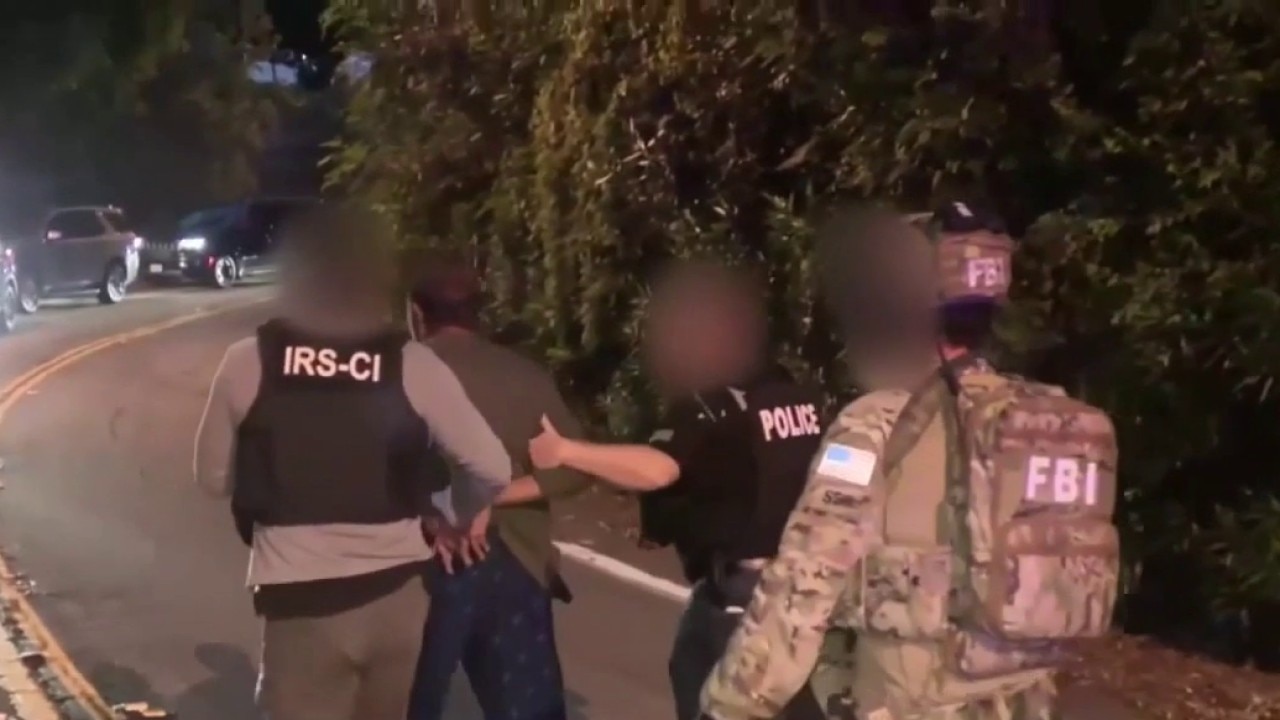
Federal prosecutors have charged over a dozen people in Los Angeles allegedly linked to a $60 million Medicare fraud scheme.
LOS ANGELES - A newly introduced California bill aims to solidify "sanctuary" protections for the state's judicial system by strictly limiting federal immigration enforcement at courthouses.
The move is a direct response to a recent surge in immigration sweeps that advocates say have deterred residents from appearing for legal proceedings.
What we know:
Introduced by State Senators Eloise Gómez Reyes and Tom Umberg in January 2026, SB 873 would prohibit civil arrests within a courthouse or within a 1,000-foot perimeter.
To execute an arrest in these zones, federal agents would be legally required to possess a valid judicial warrant—rather than a standard administrative ICE warrant—and must clearly identify themselves to court personnel.
The bill was significantly amended on March 25, 2026, to strengthen these limitations and explicitly protect individuals traveling to or from court sessions.
RELATED COVERAGE:
- ICE arrests Soleimani’s niece in Los Angeles after Rubio revokes green card
- ICE agents deployed to U.S. airports amid TSA staffing crisis
- Trump administration can continue detaining immigrants without bond, US appeals court rules
It follows a 2025 wave of enforcement actions that saw agents conducting "sweeps" near schools, churches, and private residences.
What we don't know:
The bill's primary hurdle remains its legal enforceability against federal agents.
It is currently unclear how California would penalize federal officers who violate the state-imposed 1,000-foot buffer, as federal law often supersedes state-level restrictions on federal law enforcement activity.
Timeline:
September 2025: Gov. Gavin Newsom signs laws protecting immigrants at schools and hospitals but excludes courthouses.
January 2026: SB 873 is introduced by Senators Reyes and Umberg.
March 25, 2026: The bill is amended with stricter language regarding the 1,000-foot enforcement-free zone.
April 2026: The bill is referred to a policy committee for analysis and initial hearings.
What they're saying:
Supporters argue the bill is a necessary defense of the judicial process.
"Indiscriminate arrests in and around California courts by unidentified federal agents without proper warrants are unreasonable, unjust, and unlawful," said Senator Eloise Gómez Reyes. "California fully intends to protect the right of our residents to participate in judicial proceedings."
What's next:
The bill is currently "In Committee."
In the coming weeks, it will undergo analysis by a policy committee where lawmakers will debate its constitutional standing and potential impacts.
If it passes the committee stage, it will move to a full vote in the State Senate before heading to the Assembly.
The Source: This report is based on information from the California state Senate, the office of Senator Eloise Gómez Reyes.