

SoCal heat advisories extended as bacteria warnings hit major local beaches

Heatwave sends crowds to beaches, triggering safety warnings
With heat advisories remaining in effect across much of Los Angeles County and temperatures expected to climb into the triple digits in some inland areas, public health officials Thursday were warning beachgoers to avoid entering the water at several county beaches because of elevated bacteria levels that could increase the risk of illness.
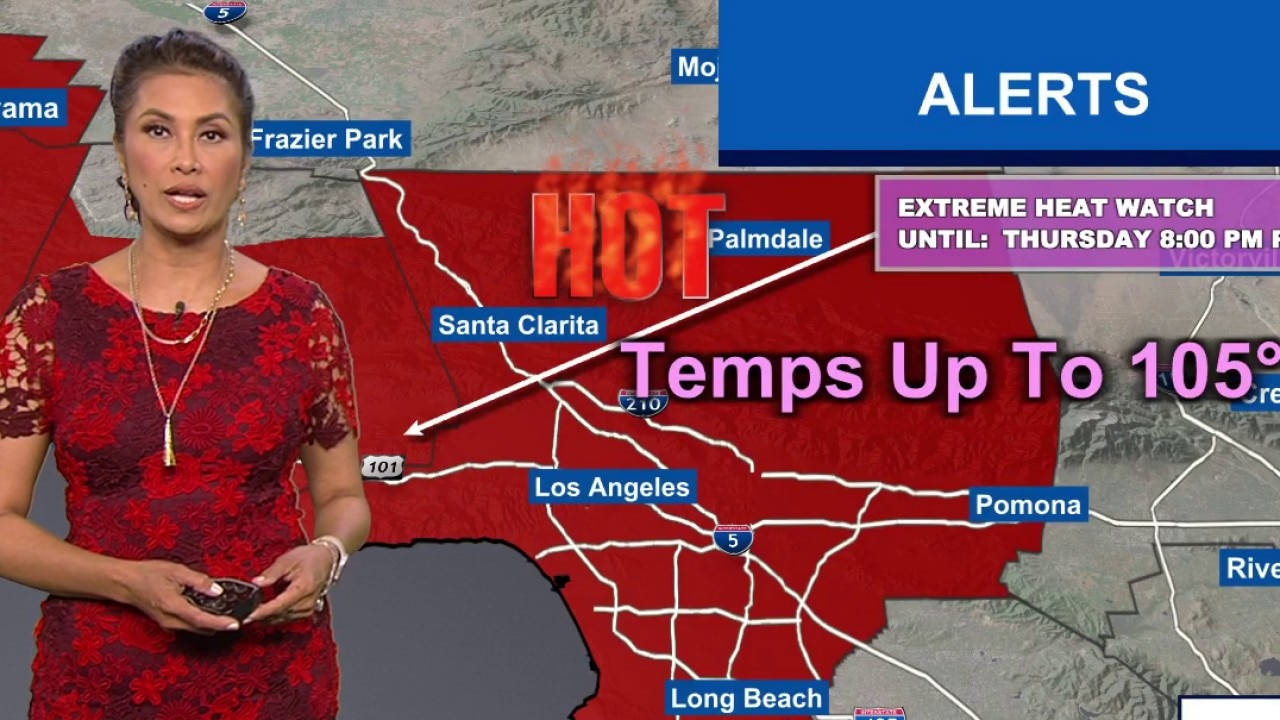
LOS ANGELES - Southern California residents facing an extended, intensifying summer heatwave are being warned to take caution both inland and at the shore, as temperatures threaten to hit 112 degrees next week and elevated bacteria levels plague several popular local beaches.
What we know:
The National Weather Service (NWS) has extended current heat advisories for downtown Los Angeles, inland coastal zones, and the Santa Clarita, San Fernando, and San Gabriel valleys through 10 a.m. on Tuesday, July 14.
Forecasters originally expected the advisories to lift Friday night, but a weakened onshore flow has slashed cooling morning and evening cloud cover.
On top of the heat, the Los Angeles County Department of Public Health has issued water quality warnings for seven local beaches due to state-level bacteria standard violations. The affected areas include:
- Will Rogers State Beach: 100 yards around the Pulga storm drain
- Paradise Cove (Malibu): 100 yards around Ramirez Creek
- Mother's Beach (Marina del Rey): Entire swim area
- Inner Cabrillo Beach (San Pedro): Entire swim area
- Topanga County Beach: 100 yards around the Castlerock storm drain
- Topanga Canyon Beach (Malibu): 100 yards around the lagoon
- Santa Monica Pier: 100 yards up and down the coast from the pier
What we don't know:
The exact timing, location, and severity of the projected showers and thunderstorms remain uncertain.
Weather Forecast for Thursday, July 9
The latest forecast and air quality conditions for the greater Los Angeles area, including beaches, valleys and desert regions.
Additionally, health officials have not indicated how long the elevated bacteria levels at the affected beaches will persist before returning to safe baselines.
Timeline:
- Wednesday–Thursday: The peak heat days of the current week.
- This Weekend: A minor, temporary cooling trend takes place, though monsoonal moisture risks begin entering mountain areas starting Sunday.
- Tuesday, July 14 (10 a.m.): Current heat advisories expire and immediately convert into an extreme heat watch.
- Next Week: Temperatures surge into the triple-digits coastally and up to 112 degrees in valleys and mountains, paired with high humidity.
- Thursday, July 16: The extreme heat watch is currently scheduled to expire.
What they're saying:
Forecasters are emphasizing the danger posed by this prolonged weather pattern. "There is a high risk for heat illness for sensitive populations including the very young, the very old, those without air conditioning, and those active outdoors," the NWS stated.
Looking ahead to next week's humidity shift, forecasters added, "Additionally, monsoonal moisture will add to the discomfort level from the heat next week."
What's next:
County health officials will continue daily and weekly testing of ocean water quality along the coast.
What you can do:
To stay safe during this dual-threat event, residents should prioritize hydration, avoid strenuous outdoor activities during peak sunlight, and check on vulnerable neighbors.
If you plan to head to the coast to cool off, bypass the contaminated zones listed in the public health warning.
A warning has successfully been lifted for the Redondo Beach Pier area, which is safe for swimming.
Residents can check daily water safety updates by calling the county's 24-hour beach closure hotline at 1-800-525-5662 or viewing the interactive map at PublicHealth.LACounty.gov/Beach.
The Source: This report is compiled directly from official public safety assessments issued by the National Weather Service and environmental health directives from the Los Angeles County Department of Public Health.