

Long Beach coastal flooding: Tropical Storm Rachel damages homes, seawall
Long Beach coastal flooding: Tropical Storm Rachel damages homes, seawall
Powerful waves from Tropical Storm Rachel are battering the Long Beach Peninsula, causing structural damage and coastal flooding. High tides are expected to worsen through the weekend, leaving it unclear how much more damage the coastline will sustain.
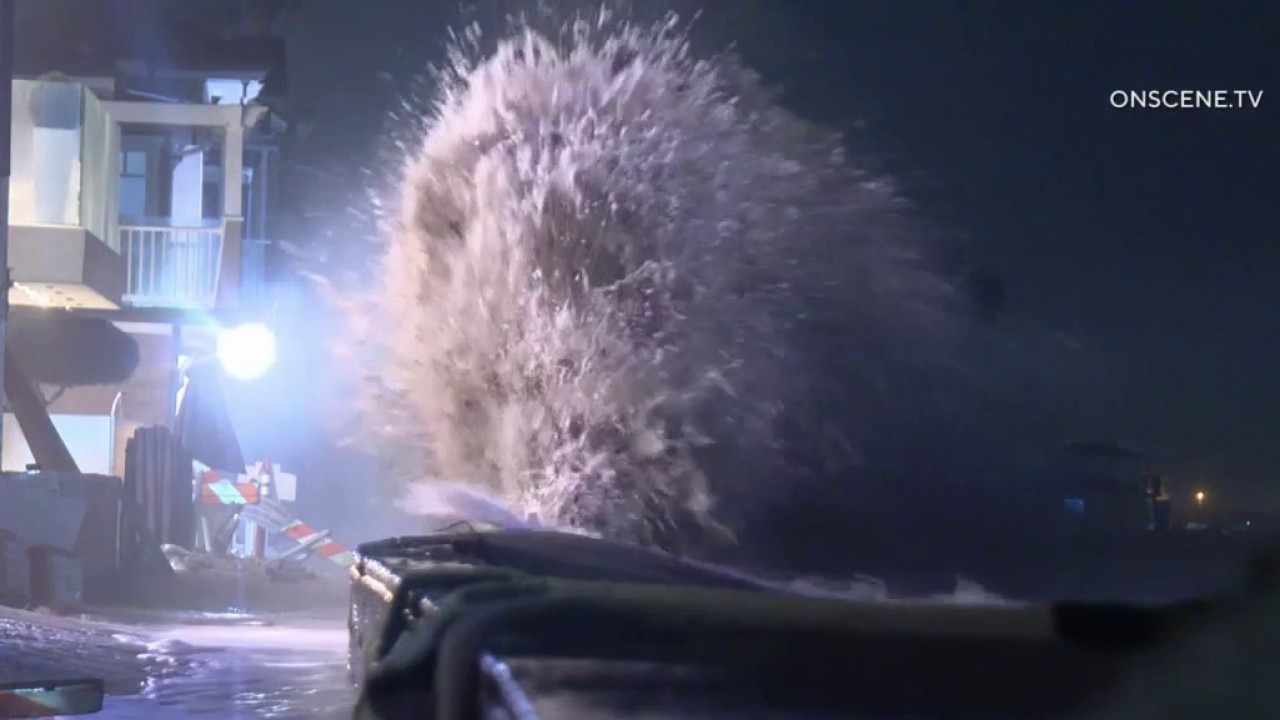
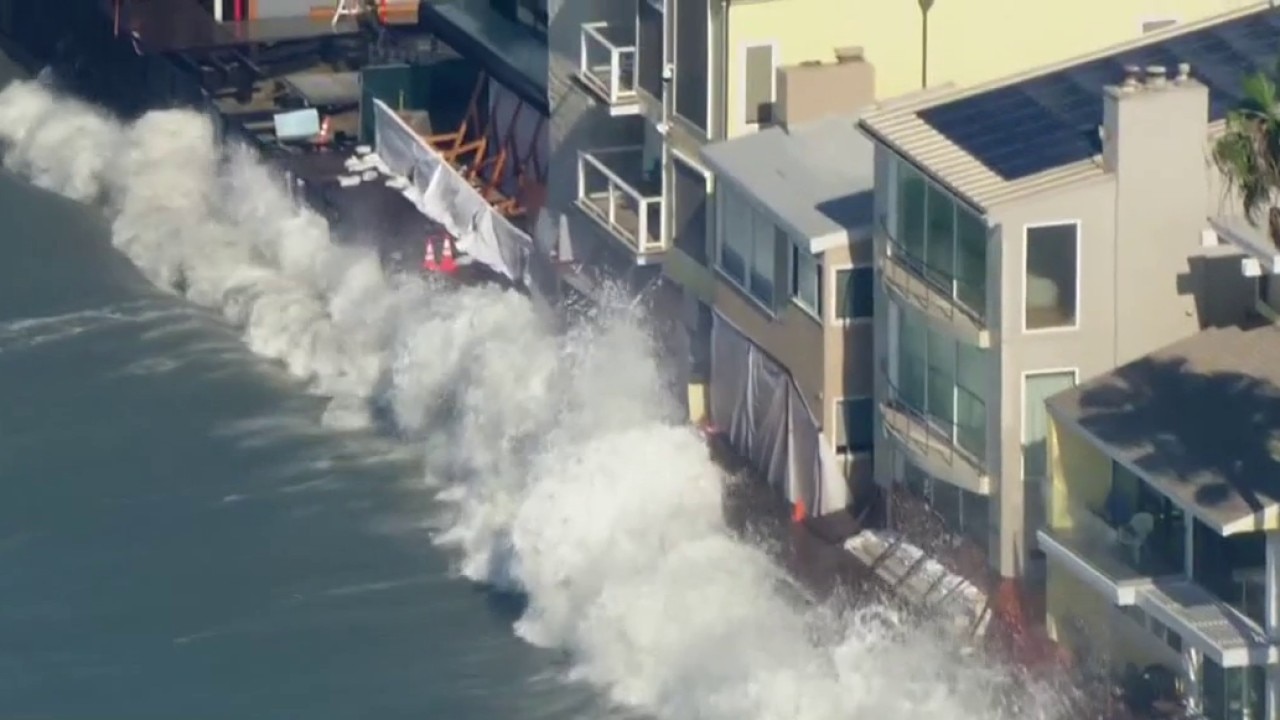
LONG BEACH, Calif. - Powerful waves from Tropical Storm Rachel continue to batter the Long Beach Peninsula, damaging homes, the boardwalk and coastal infrastructure as officials warn that conditions could worsen through the weekend.
The National Weather Service has issued a coastal flood advisory through 2 p.m. Tuesday, Oct. 13, with the greatest risks expected around Sunday.
What we know:
Video captured around 1 a.m. Friday, Oct. 9, showed powerful waves washing over the boardwalk along the Long Beach Peninsula.
Along the 6400 and 6500 blocks of Seaside Walk, inspectors issued preliminary red tags for two structures and a yellow tag for another building.
Combined with a previously yellow-tagged structure damaged during Hurricane Marie, four buildings are now considered damaged.
PREVIOUS COVERAGE: Swells from Hurricanes Polo, Odalys to bring high surf and coastal flooding threat to Southern California
PREVIOUS COVERAGE: Long Beach closes Peninsula Beach ahead of Hurricane Polo swells
Southern California coastal cities including Long Beach are preparing for elevated surf, high tides, and potential coastal flooding from swells generated by Hurricane Polo.
A red tag means a structure is unsafe to enter. A yellow tag allows property owners to temporarily retrieve belongings but prohibits them from staying until the building is deemed structurally safe.
The city also reported significant damage to approximately 30 feet of the Peninsula bulkhead between 65th and 66th Place.
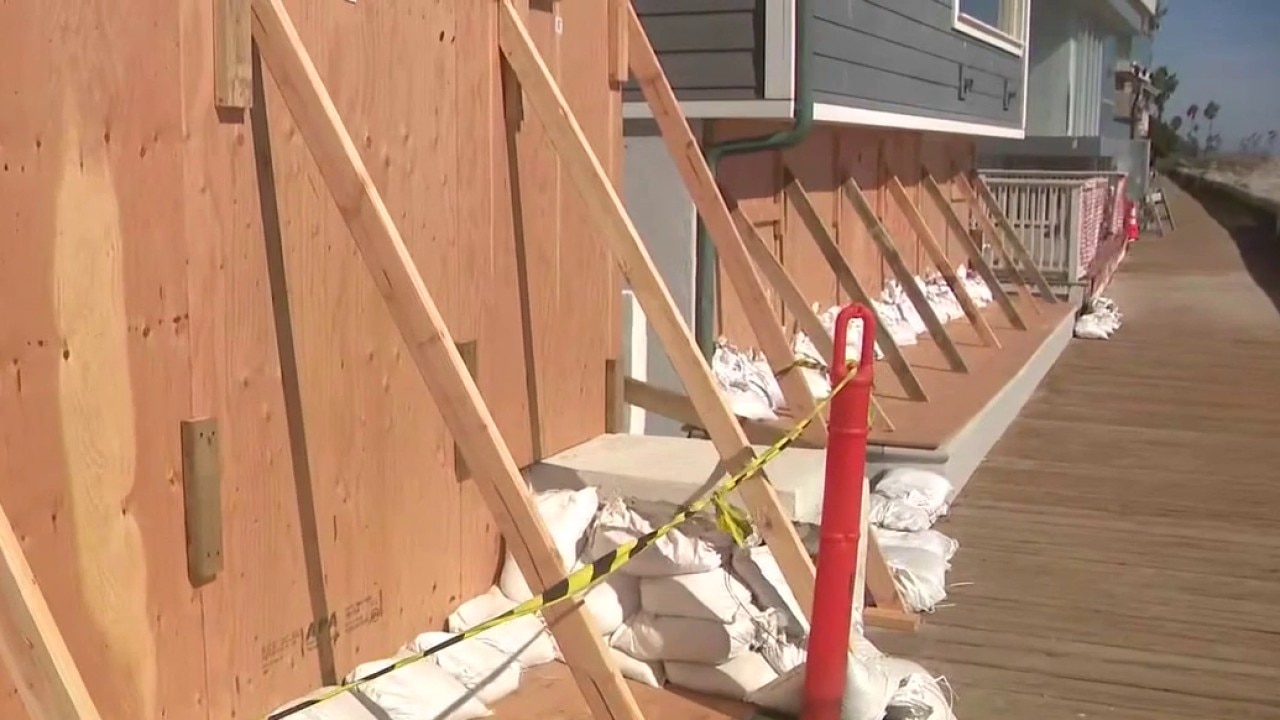
Persistent wave energy damaged the structure, prompting crews to make repairs during low tide and reinforce the area with approximately 1,000 sandbags where existing lumber had been destroyed.
The latest damage comes just weeks after Hurricane Marie and Hurricane Polo battered the Long Beach coastline, leaving parts of the Peninsula especially vulnerable to additional storms.
Why is this happening?
The latest round of coastal damage is associated with Tropical Storm Rachel, which was downgraded from a Category 1 hurricane early Thursday morning.
Powerful swells from the storm are combining with unusually high tides, increasing the risk of seawater flooding beaches, walkways and low-lying roads.
PREVIOUS COVERAGE: Long Beach braces for another round of high surf, this time via Hurricane Polo
According to the National Weather Service, the threat is especially concerning along south-facing shorelines, including Long Beach, Malibu, Avalon and Point Mugu.
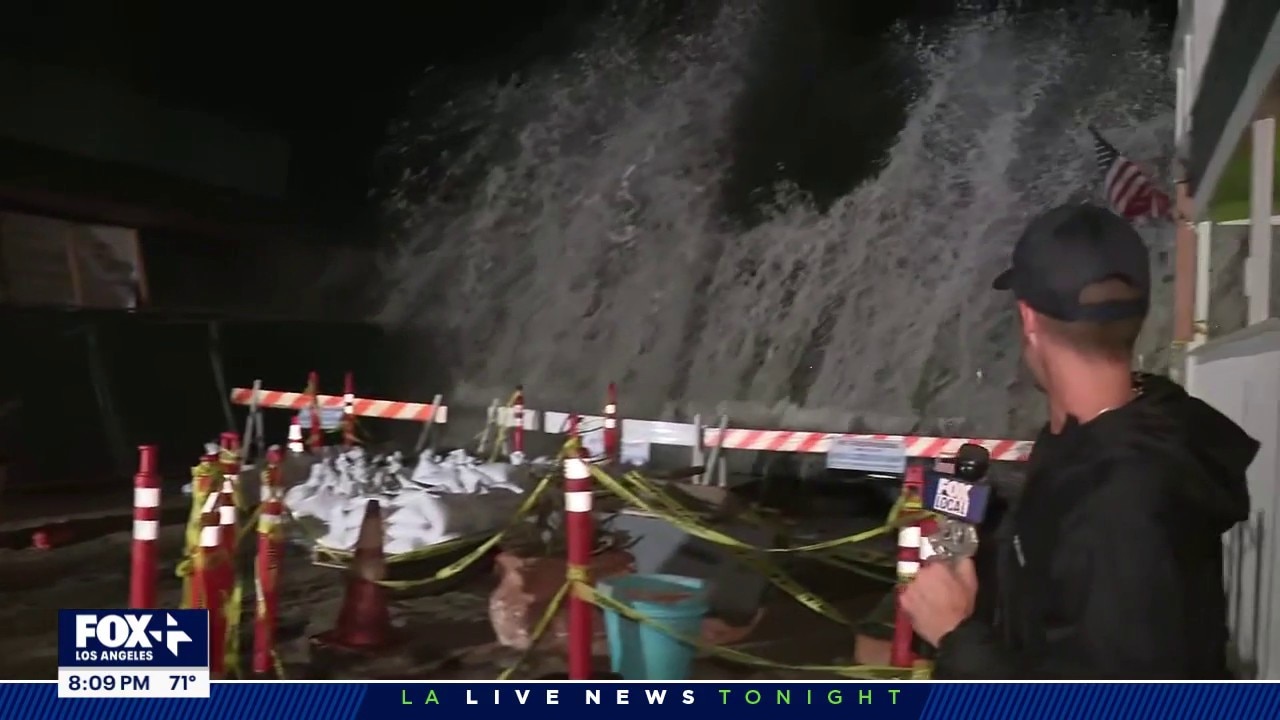
Big waves hitting Long Beach coast
FOX 11's Matthew Seedorff was in Long Beach surveying the powerful waves crashing into the city's coastal neighborhoods.
Forecasters warn that large waves, high tides, low-pressure systems and wind could combine to worsen coastal flooding and beach erosion.
The Long Beach Peninsula is particularly vulnerable because previous storms have already damaged coastal defenses and washed away protective sand.
Timeline:
When will high tide hit?
The National Weather Service predicts increasingly high tides through the weekend, with the greatest coastal flooding threat expected around Sunday.
Predicted high tides at the San Pedro reference station include:
- Friday, Oct. 9: 7.2 feet at 8:59 a.m.
- Saturday, Oct. 10: 7.4 feet at 9:24 a.m.
- Sunday, Oct. 11: 7.6 feet at 9:49 a.m.
- Monday, Oct. 12: 7.5 feet at 10:13 a.m.
- Tuesday, Oct. 13: 7.2 feet at 10:38 a.m.
Forecasters also warn of large secondary high tides during the evenings through Saturday.
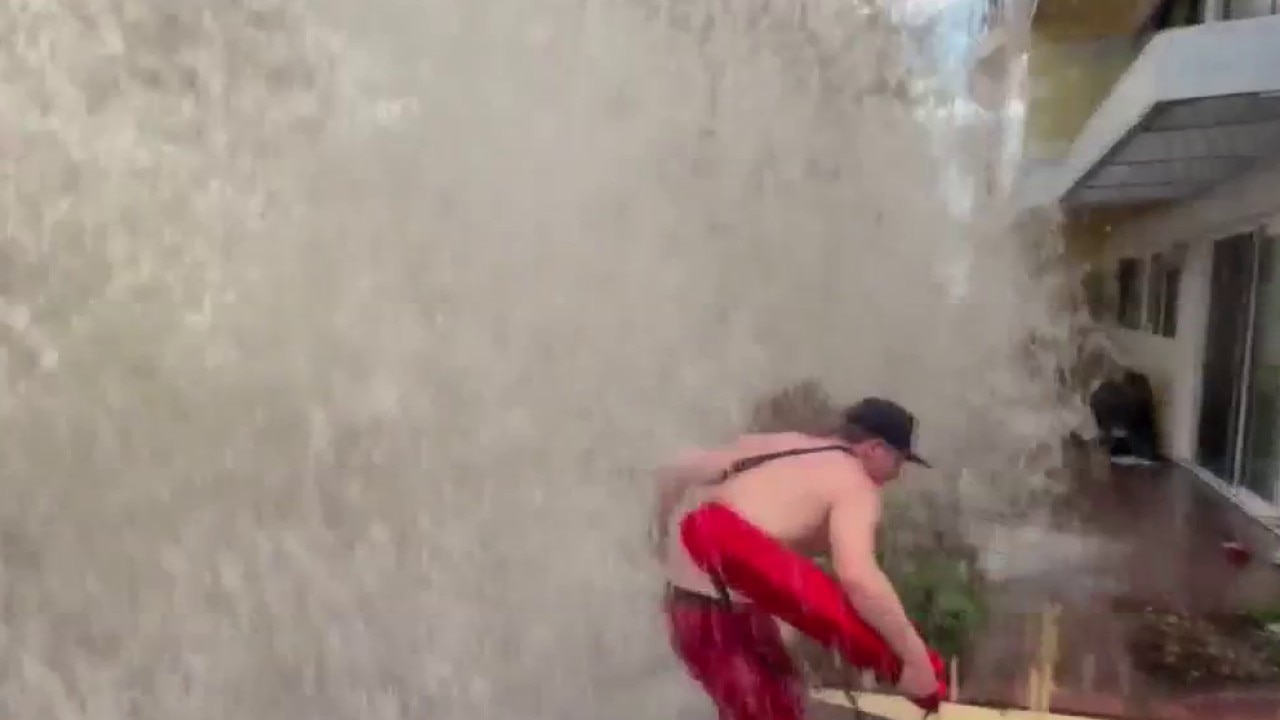
Coastal flooding, dangerous surf threaten Long Beach peninsula again
The National Weather Service has issued a coastal flood advisory through 2 p.m. Tuesday as southerly swells, including those generated by Hurricane Rachel, bring the risk of dangerous surf, rip currents and coastal flooding. Surf could reach 3 to 6 feet along south-facing beaches Thursday and Friday, while the greatest flooding threat is expected Sunday morning, when tides could reach about 7.5 feet. The Alamitos Peninsula is among the areas most vulnerable to flooding, beach erosion and localized damage.
The National Weather Service says isolated coastal damage is possible around Sunday, particularly in the Long Beach area.
Local perspective:
What is the city doing?
Long Beach officials say crews continue working to protect homes and infrastructure through emergency repairs, sandbag distribution and shoreline reinforcement.
The city has distributed more than 6,300 sandbags in preparation for Rachel and more than 13,600 across the three recent storms.
Officials have also outlined a seven-point coastal protection plan, along with major sand replenishment projects intended to rebuild the beach and strengthen coastal defenses ahead of the winter storm season.
Long Beach braces for big waves
Long Beach is preparing for another round of coastal flooding as parts of Southern California is expected to feel Hurricane Rachel's remnants this weekend.
Long Beach declared a local emergency Sept. 22, following Gov. Gavin Newsom’s Sept. 21 emergency proclamation, allowing the city to take additional preparedness and emergency response measures ahead of the anticipated 2026-27 El Niño and winter storm season.
What's next:
The National Weather Service warns that minor to moderate coastal flooding could continue through Tuesday afternoon, with the highest risks around Sunday’s high tide.
Residents and visitors are urged to avoid damaged coastal areas, stay away from powerful waves and follow guidance from local officials.
With portions of the seawall already compromised and additional high tides approaching, crews are expected to continue working between tides to reinforce vulnerable sections of the Peninsula as conditions allow.
The Source: This report is based on official statements and tide predictions from the National Weather Service, alongside damage assessments from Long Beach city officials and structural inspectors. Additional context regarding the storm's impact was verified through localized video footage and recent emergency proclamations issued by Gov. Gavin Newsom and the city of Long Beach.