

Why Jackie the eagle's final journey leads to the National Eagle Repository
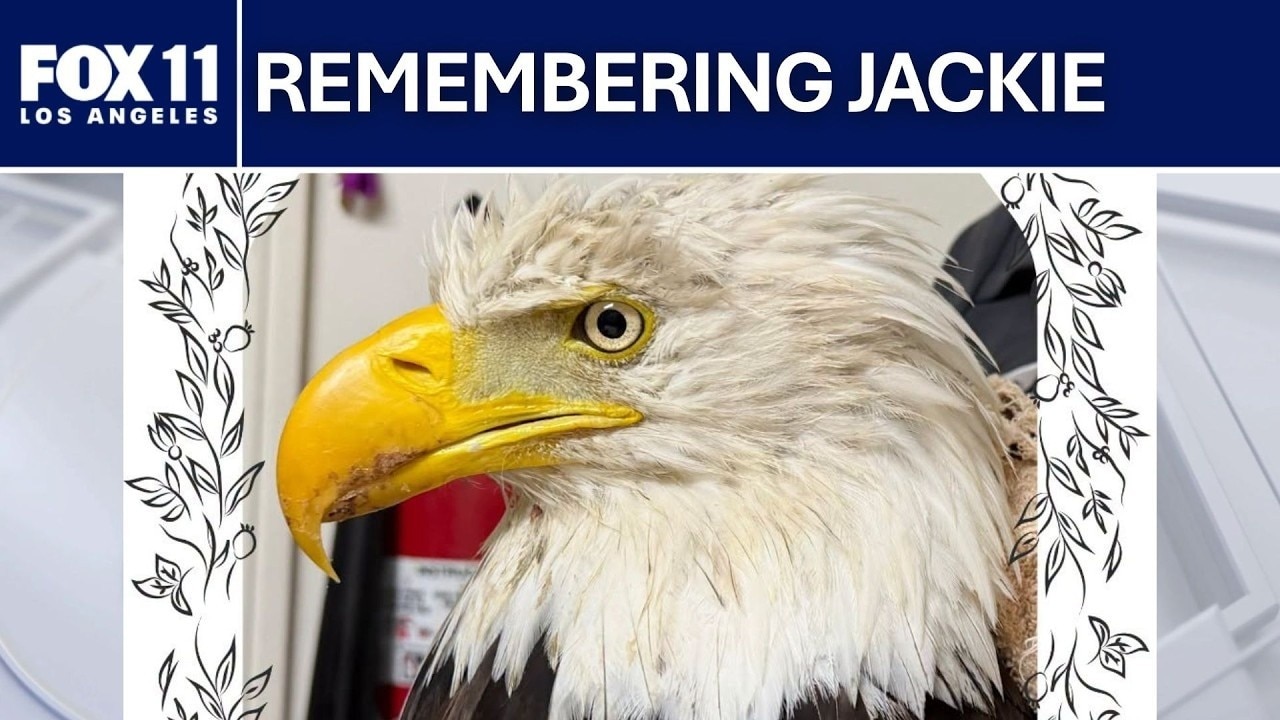
PREVIOUS COVERAGE: Officials' plans to review bald Jackie's death
Following the death of Big Bear bald eagle Jackie, wildlife officials confirm her remains will be sent to the National Eagle Repository for Native American tribal traditions.
DENVER, Colo. - For years, millions of people worldwide watched the live stream of Big Bear’s famous bald eagle, Jackie, and her mate, Shadow. First documented in 2012, Jackie captured hearts as she laid eggs and raised chicks high in the California pines.
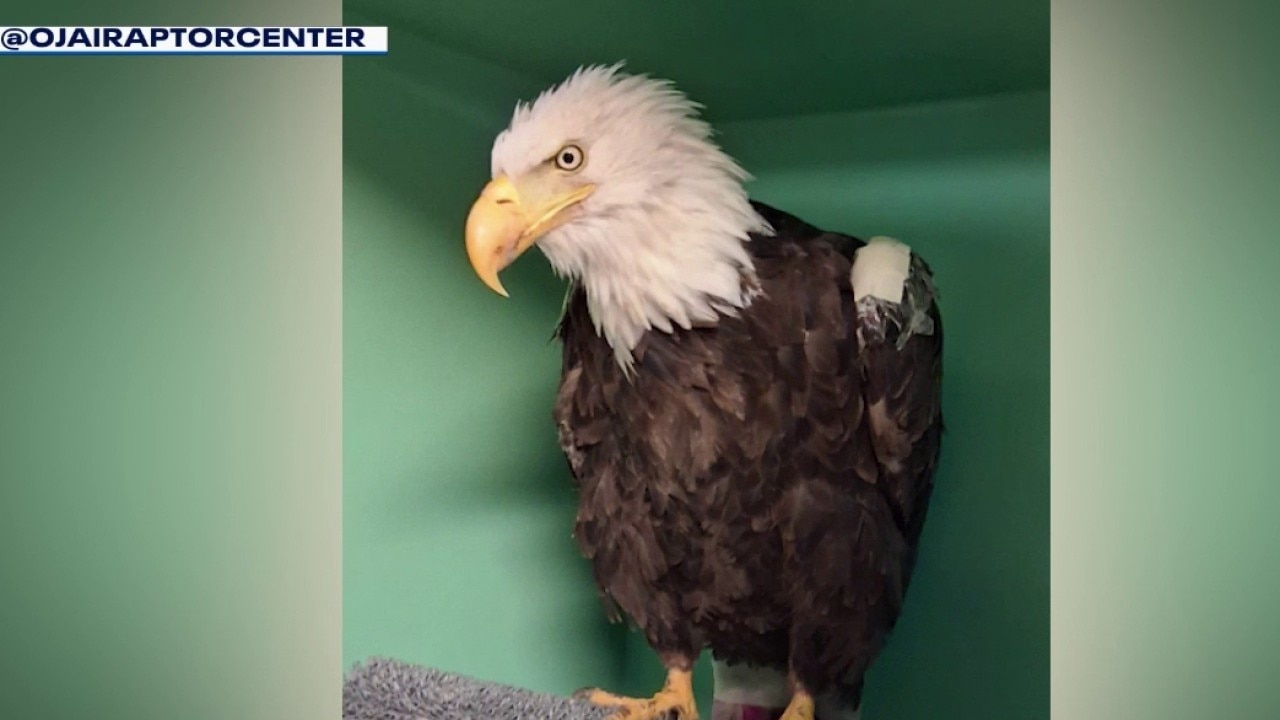
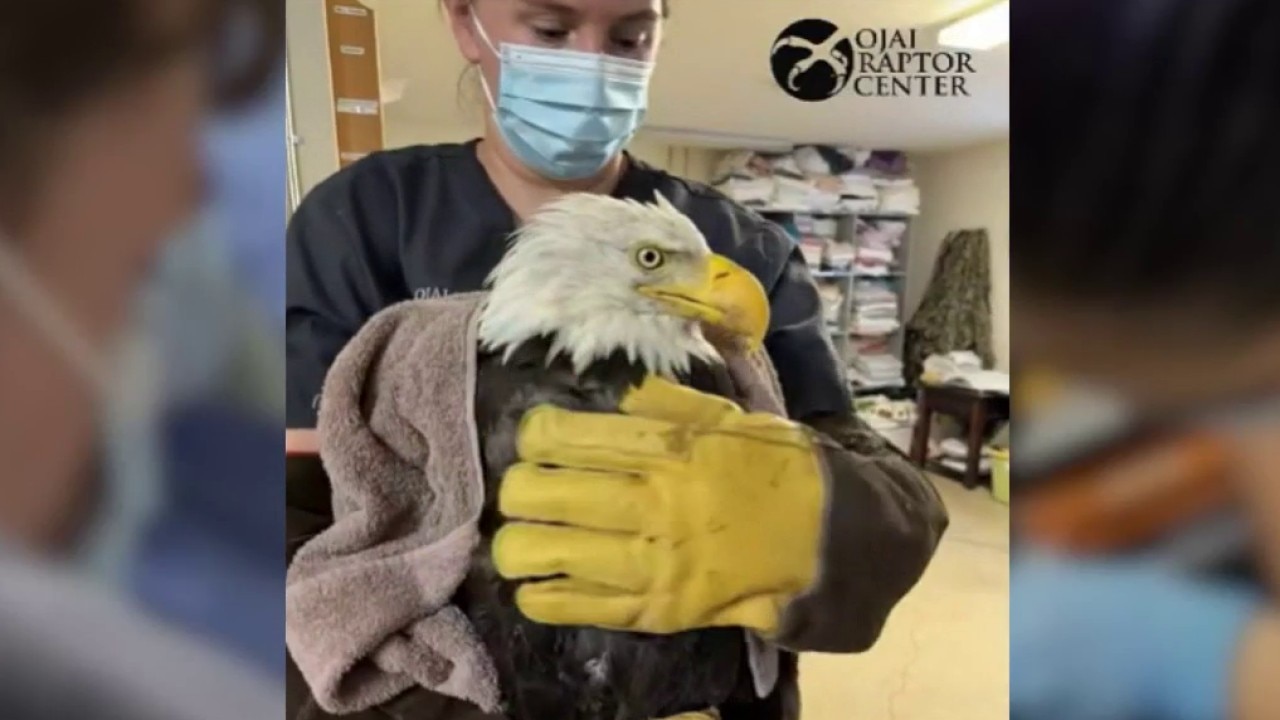
However, following her rescue, three weeks of intensive veterinary care at the Ojai Raptor Center, and her passing in early August, public attention shifted from her life in the nest to the destination of her remains.
Her final journey to the National Eagle Repository raises broader questions about how deceased eagles are handled in the United States, the laws protecting them, and why eagle feathers hold profound sacred meaning in Native American culture.
What Happened to Jackie?
What we know:
According to updates from the Ojai Raptor Center, Jackie (officially designated as Bald Eagle Patient 26-519 during rehab) was rescued near Big Bear Lake after being found grounded.
Veterinary teams performed extensive diagnostic tests, including contrast CT scans, bone marrow biopsies, heavy metal testing, and even a blood transfusion using donor blood from Spirit, an ambassador eagle at the California Living Museum Zoo.
Despite round-the-clock care, Jackie succumbed to severe, multi-system health issues, including blood clots in her wing and near her kidney, liver and lung abnormalities, and bone marrow failure.
PREVIOUS COVERAGE:
- New details shed light on Jackie the bald eagle's final days, unanswered questions
- Remembering Jackie: Officials announce next steps for Big Bear bald eagle's remains
- Big Bear community says goodbye to Jackie, the bald eagle
Following a formal necropsy by pathologists at the San Diego Zoo Wildlife Alliance, state and federal regulations mandated her transfer to the National Eagle Repository.
Big Bear community remembers Jackie, the bald eagle
Big Bear’s beloved bald eagle, Jackie, has died after more than three weeks of intensive medical care.
What Is the National Eagle Repository?
Big picture view:
Operated by the U.S. Fish and Wildlife Service (FWS) Office of Law Enforcement, the National Eagle Repository serves as the central national collection and distribution facility for deceased bald and golden eagles.
The repository receives around 3,500 dead bald and golden eagles annually from state wildlife agencies, avian rehabilitation facilities, zoos, and other sources.
Core Functions of the Repository:
Receiving & Inspection: Facility staff receive salvaged eagle remains from wildlife agencies, rehabs, and zoos nationwide.
Evaluation & Cataloging: Remains are assessed for quality, and individual parts (feathers, wings, tails, or whole birds) are categorized.
Distribution: The Repository distributes whole eagles, wings, tails, and loose feathers exclusively to enrolled members of federally recognized Native American Tribes for religious, cultural, and ceremonial purposes.
Because both bald and golden eagles are heavily protected under federal law—specifically the Bald and Golden Eagle Protection Act and the Migratory Bird Treaty Act—it is illegal for the general public to possess eagle feathers, parts, or nests.
Why Is The Repository Important?
The backstory:
Created in the early 1970s by the FWS to bridge a critical conflict between federal wildlife conservation laws and Indigenous religious freedoms, the Repository provides a lawful avenue that accommodates sacred Native American rights while protecting wild eagle populations from poaching and illegal trade.
Following the expansion of the Bald and Golden Eagle Protection Act, the federal government placed strict prohibitions on the possession or trade of eagle parts, leaving Native Americans without a legal avenue to acquire feathers essential for sacred rituals, healing ceremonies, and tribal regalia.
Recognizing the profound spiritual significance of eagles to tribal nations, the FWS established the repository as a centralized national facility to receive, evaluate, and distribute naturally deceased bald and golden eagles salvaged by state wildlife agencies, zoos, and rehabilitators.
Initially operating out of Pocatello, Idaho, the repository relocated in 1995 to its current location at the Rocky Mountain Arsenal National Wildlife Refuge near Commerce City, Colorado.
Big Bear bald eagle Jackie dies
Big Bear’s beloved bald eagle, Jackie, has died after more than three weeks of intensive medical care.
Today, the facility processes thousands of eagle remains annually, maintaining a lawful distribution pipeline exclusively for enrolled members of federally recognized tribes that honors centuries-old traditions while safeguarding wild eagle populations from poaching and illegal commercialization.
Why Eagle Parts and Feathers Matter to Native Americans
Dig deeper:
Eagle feathers are woven into Native American culture. Beyond powwow regalia, they’re presented to high school graduates, used in marriage ceremonies, and buried with the dead.
To many Native American tribes and Indigenous nations across North America, the eagle is not simply a bird or a symbol of national pride; it is a sacred messenger.
Spiritual Significance:
Messenger to the Creator: Eagles fly higher than any other bird in North America. In many tribal traditions, they are believed to carry prayers directly between the earthly realm and the Creator.
Symbol of Honor and Bravery: Eagle feathers are awarded during major milestones, such as rites of passage, graduations, acts of valor, or leadership achievements.
Sacred Regalia and Ceremonies: Feathers, wings, and talon elements are incorporated into traditional ceremonial dress, powwow regalia, sacred fans, marriage ceremonies, and healing rituals.
Because eagle feathers carry such profound spiritual weight, the federal government established the Repository to honor tribal sovereignty and religious freedoms without placing wild eagle populations at risk.
The Request Process and Demand
What we know:
Demand for eagle remains at the Repository regularly exceeds supply.
The facility gets several thousand requests annually from tribal members for feathers, entire eagles, and their parts.
Enrolled tribal members must submit an official application specifying the parts needed—ranging from 10 quality loose feathers for a ceremonial fan to a full bird for sacred regalia.
Wait times for eagle parts can vary significantly depending on species, age, and part condition, ranging from a few months for loose feathers to several years for full golden or bald eagles.
What's next:
The Repository will process Jackie’s remains to fulfill pending requests from enrolled members of federally recognized Native American tribes.
Through this distribution process, wildlife authorities ensure that Jackie’s memory continues beyond her nest in the Big Bear pines, honoring traditions that have endured for generations.
This story was reported from Los Angeles.
The Source: This report is based on information provided by the Ojai Raptor Center detailing Jackie’s medical care, diagnoses, and final transfer. Operational background, statutory origins, and regulatory context regarding the National Eagle Repository—including its tribal distribution services under the Bald and Golden Eagle Protection Act—were sourced directly from official documentation maintained by the U.S. Fish and Wildlife Service Office of Law Enforcement.