

Inside one of America's busiest fire stations: A day with LAFD Station 11
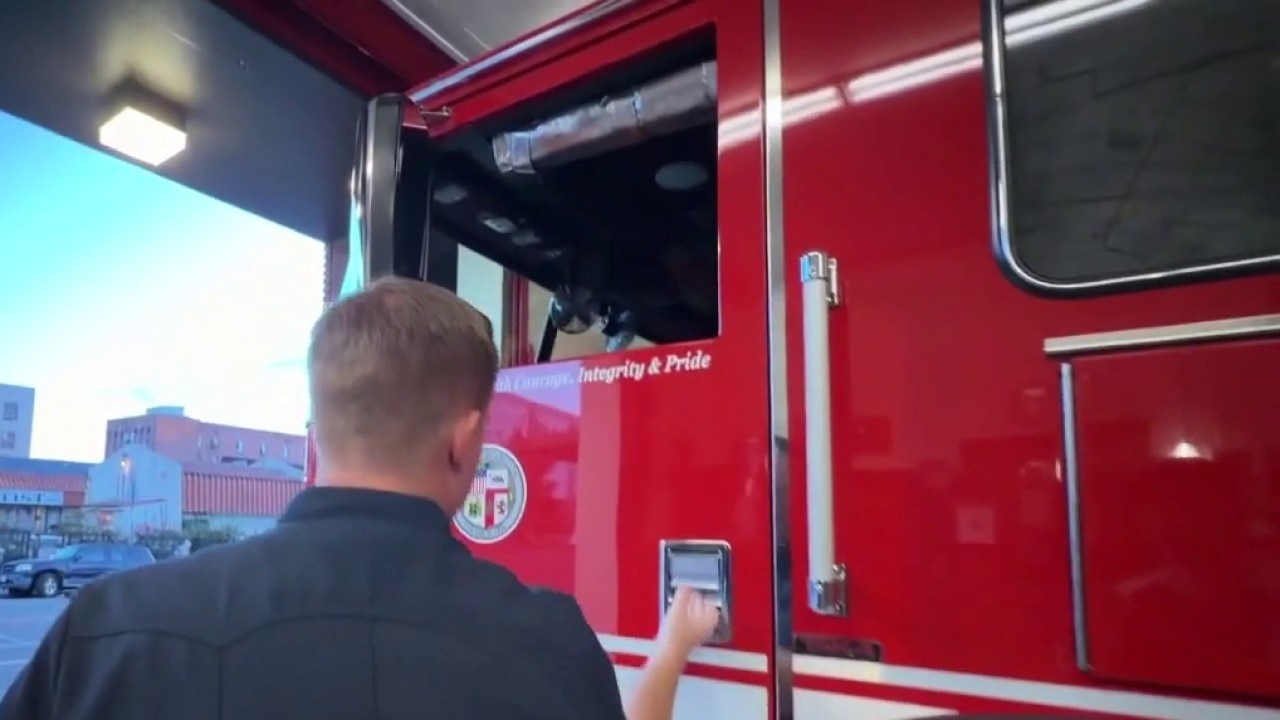
Nonstop calls at LAFD's station 11
A FOX 11 ride-along captured firefighters at LAFD Station 11 responding to overdoses, medical emergencies, fire alarms, rescues and rubbish fires in just five hours.
LOS ANGELES - The alarms never seem to stop at Los Angeles Fire Department Station 11.
Located in the heart of Westlake, just blocks from MacArthur Park, the station is among the busiest in the nation. During a recent exclusive FOX 11 ride-along, firefighters responded to an apparent overdose, fire alarms, an elevator rescue, multiple medical emergencies and two rubbish fires — all within just five hours.
The constant pace offers a glimpse into the challenges facing first responders in one of Los Angeles' most demanding service areas.
"All of us work here for a reason," firefighter Wyatt Hoyt told FOX 11. "We want to be busy. We want to be going on the runs. We want to be helping people."
Overdoses a daily reality
MacArthur Park and the surrounding neighborhood generate a significant share of Station 11's calls, according to firefighters.
One of the most frequently used tools on the apparatus is Narcan, a medication used to reverse opioid overdoses.
"This is a spray. I can give it as a shot, or I can put it in an IV," firefighter-paramedic Michael Paxton told FOX 11 while showing the medication.
Asked how often crews encounter overdoses, Paxton estimated there are "at least six to 10 overdoses within the park area a day, easily."
Minutes later, firefighters were dispatched to an apparent overdose involving a man in distress. Despite grave concerns about his condition, the man initially declined transportation to a hospital. However, firefighters eventually convinced him.
"They're afraid of getting into trouble," Hoyt said. "So they pop up, they run off. We just have to wait for them to call again next week."
Call after call
The overdose response was quickly followed by another emergency.
An automatic fire alarm. Then an elevator rescue. Then additional medical calls.
"We went from the overdose to the automatic alarm and the elevator," Hoyt said. "It's the importance of being ready for every run."
Back at the station, firefighters briefly sat down for dinner before another call interrupted the evening.
"You never know when the next call is coming in," Paxton said. "Sleepless nights, but I'd do it all over again."
Even interviews proved difficult to complete without interruption.
At one point, firefighters were dispatched to what sounded like an assault call.
"Pretty common for our area," Hoyt said.
Homelessness driving many calls
Firefighters estimate roughly 80% of Station 11's calls are connected in some way to the homelessness crisis.
According to firefighters, many people living on the streets rely on emergency services because they lack access to routine medical care.
"They don't have access to doctors, don't really go to urgent cares, hospitals," Hoyt said. "They use 911 as their normal care."
Fires continue after dark
As the sun set, the calls continued.
Crews responded to a rubbish fire burning on a sidewalk. Firefighters suspected someone may have been burning electrical materials to extract metal wire.
"Looks like some sort of electrical panels," Hoyt said. "Sometimes they'll burn them to try and get the wire out."
Minutes later, firefighters responded to another rubbish fire — this time involving a wooden pole burning near the 110 Freeway.
Asked if those calls are common, Paxton pointed to the surrounding area.
"Yeah," he said. "This whole area here. Right along 8th Street."
One of the busiest in the nation
In 2023, Station 11's ladder company was recognized as the busiest ladder company in the United States.
The station responds to roughly 15,000 calls annually, according to firefighters.
"We try to get some [sleep] when we can," Paxton said when asked about overnight shifts.
Despite the relentless workload, firefighters said they remain committed to the community they serve.
"People can get distracted by all the craziness running around," Hoyt said. "But at the end of the day, this is somebody's neighborhood just like yours at home or mine at home."