

California proposes new licensing path to recruit doctors from Mexico
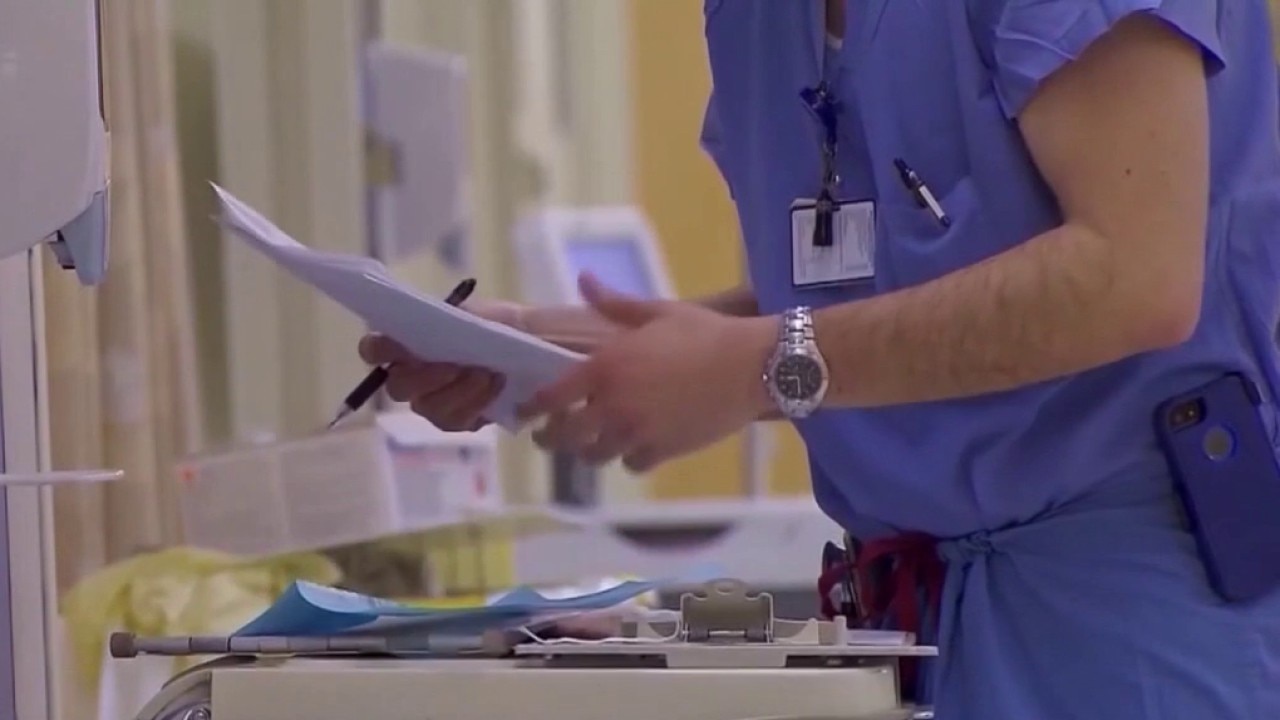
Bill would allow some doctors in Mexico to practice in California
A proposed bill going through the state legislature would allow some physicians from Mexico to practice in California, amid a shortage of healthcare professionals.
LOS ANGELES - California lawmakers are weighing a possible solution to the state’s worsening health care crisis by recruiting medical talent from across the border.
Assembly Bill 2386, introduced by Assemblymember David Alvarez, seeks to bridge the gap for the millions of Californians currently living in areas with inadequate physician access.
What we know:
The bill focuses on creating a sustainable pipeline for international physicians, particularly from Mexico’s younger medical workforce.
Unlike traditional pathways, these doctors would not be required to complete a U.S. residency. Instead, they would operate under a provisional license while being supervised by a "host doctor" in California.
Proponents argue this is justified because physicians in Mexico begin seeing patients much earlier in their training than their American counterparts.
The program targets high-need regions like the Inland Empire, the San Joaquin Valley, and Northern California, where residents currently face long travel distances and wait times for basic care.
What they're saying:
Alvarez emphasized the urgency of the situation and the logic behind the cross-border partnership.
"Typically, what you'll see is that community clinics is where you typically would see these doctors... wait to see a doctor is still too long. And so we need to figure out a way to provide healthcare access to families."
"California faces a looming shortage of primary care clinicians in the coming decades," said UCSF Healthforce Research Faculty Member Janet Coffman. "If we continue along our current path, more and more Californians will need to visit the emergency room for conditions like asthma, ear infections or flu because they lack a primary care provider."
Big picture view:
About 7 million Californians live in areas with a shortage of primary care physicians, according to recent estimates from the California Healthcare Workforce Commission.
The shortage is only expected to increase as California's population grows older and more diverse.
Forecasts estimate California is projected to face a shortage of 4,100 primary care providers if present trends continue. By 2032, the demand for physicians will exceed supply by a range of 46,900 to 121,900 full-time physicians.
What's next:
The bill recently cleared its first major hurdle in the Assembly, passing through the policy committee stage with a successful vote in April.
As of May 6, the bill has been re-referred to the Assembly Appropriations Committee for a fiscal review.
The legislation is now on track for further floor votes in the Assembly and Senate.
A final decision is expected by this September.
If signed into law by Governor Gavin Newsom, the new licensing program would officially take effect in 2027.
The Source: This report is based on information from the text of Assembly Bill 2386 and bill author Assemblymember David Alvarez, as well as official correspondence from the Mexico Federal Congress. Data from the California Healthcare Workforce Commission as provided in a UCLA study was also utilized.