

Los Angeles speed cameras go live Oct. 26: Locations and fines
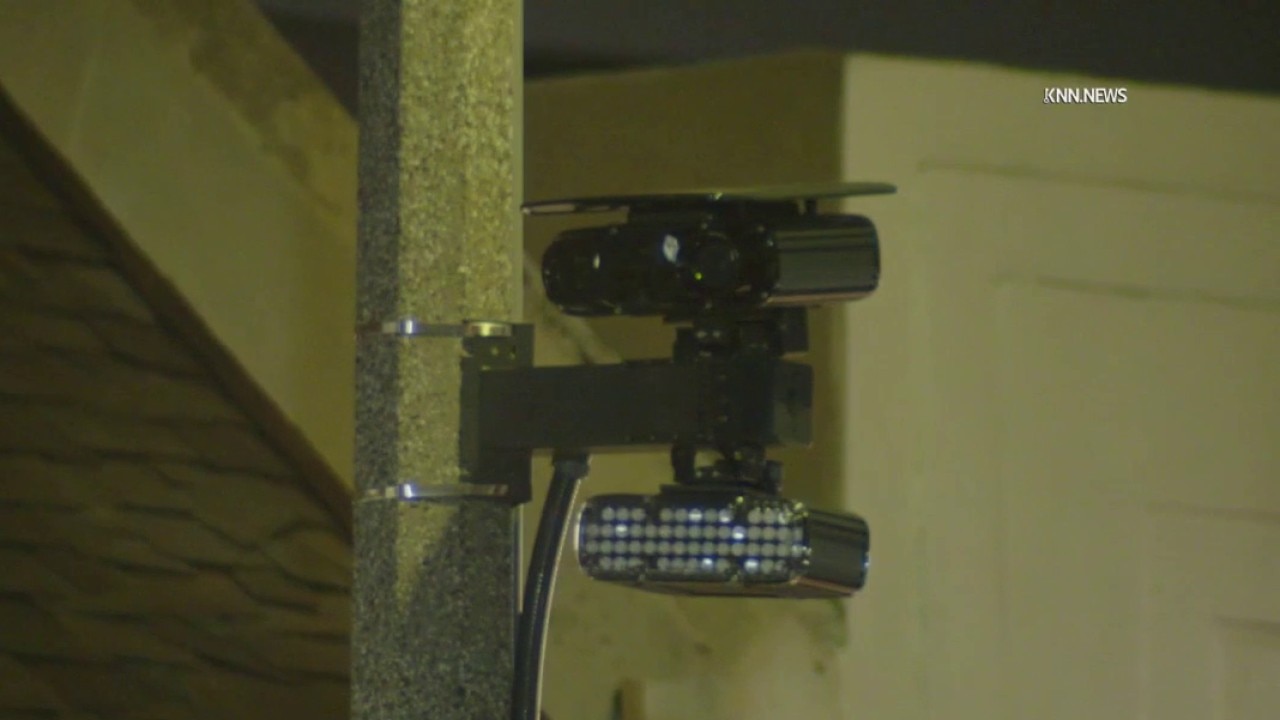
LA's new speed cameras go live Monday
Los Angeles is launching its automated speed camera program on October 26, 2026, activating roughly 20 cameras on day one and all 125 by the end of the year.
LOS ANGELES - Los Angeles is officially launching California's largest automated speed enforcement network to combat rising traffic fatalities and curb dangerous driving across major city corridors.
Following a unanimous vote by the Los Angeles City Council in March 2026, the Los Angeles Department of Transportation is initiating a five-year pilot program that will eventually deploy 125 speed cameras across all 15 council districts.
The system targets high-risk zones near schools, senior centers, and areas with documented histories of street racing, using automated technology to record violations without requiring police traffic stops.
What we know:
How do speed cameras work?
The Speed Safety Systems Program, authorized under California Assembly Bill 645, activates its first wave of approximately 20 cameras on October 26, 2026, with full deployment of all 125 cameras expected by the end of the year.
The automated cameras capture photographs of rear license plates when a vehicle travels 11 mph or more over the posted speed limit.
Each council district receives approximately eight camera locations, with additional units assigned to areas experiencing high crash rates.
Confirmed day-one locations include major intersections such as La Brea Avenue and 1st Street, Fairfax Avenue and Clinton Street, Melrose Avenue and Hayworth Avenue, and La Cienega Boulevard and Pico Boulevard.
Additional confirmed camera corridors span sections of Sunset Boulevard, Olympic Boulevard, Venice Boulevard, and Highland Avenue.
>> TAP OR CLICK HERE FOR A MAP AND FULL LIST OF CAMERA LOCATIONS <<
How much are the fines?
- $50: Speeds 11 to 15 mph over the speed limit
- $100: Speeds 16 to 25 mph over the speed limit
- $200: Speeds 26 mph or more over the speed limit
- $500: Speeds of 100 mph or more
Because these tickets are classified as civil violations rather than criminal offenses, citations will not add points to a driver's record or impact personal auto insurance rates.
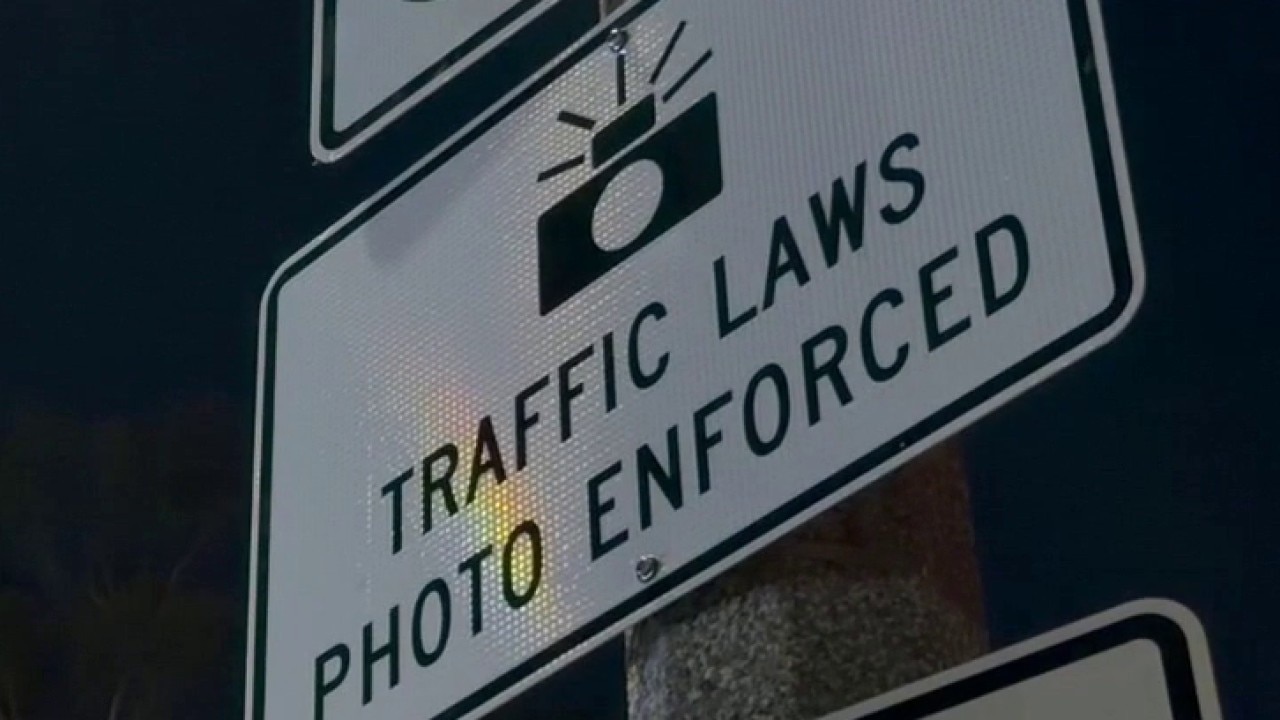
RELATED COVERAGE: Long Beach speed cameras go live
Long Beach activated speed cameras at 18 locations, initially issuing warnings to drivers traveling at least 11 mph over the speed limit.
Where does the money go?
By state law, all revenue generated from the fine system must be reinvested directly into local safe street infrastructure projects to protect pedestrians, cyclists, and drivers.
PREVIOUS COVERAGE:
- Long Beach speed cameras go live
- Speed cameras in Malibu delayed
- What you need to know about speed cameras
What we don't know:
While the initial 20 launch locations and primary enforcement corridors have been identified, the city has not published the exact rollout calendar for the remaining 105 camera installations scheduled through late 2026.
Timeline:
On March 24, 2026, the Los Angeles City Council unanimously approved the program, setting the stage for system installation and testing. The active phase begins on October 26, 2026, when the first 20 camera locations go live.
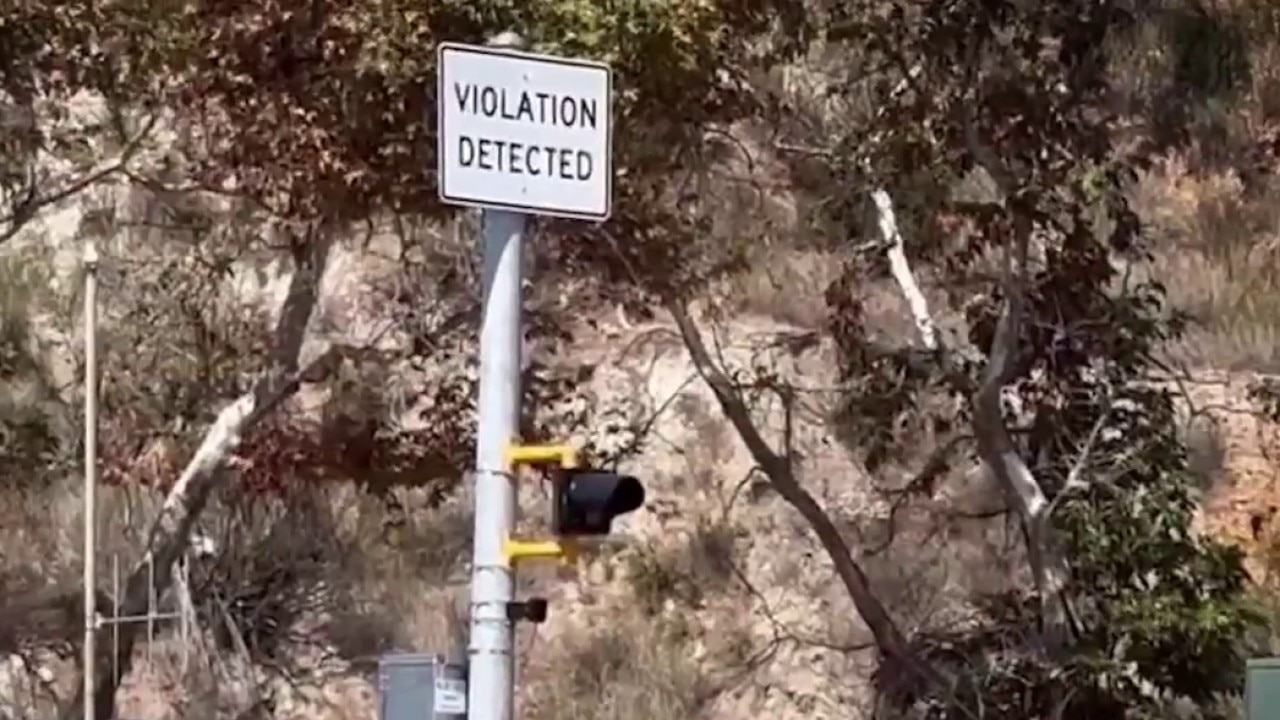
RELATED COVERAGE: Speed cameras in Malibu delayed
While the program was initially scheduled for late September, officials said the additional time will allow for necessary installation adjustments.
Every camera location initiates a mandatory 60-day warning period from its specific activation date, during which drivers traveling 11 mph or more over the limit will receive $0 warning notices in the mail. Financial penalties for the initial camera sites will officially begin in late December 2026. The full 125-camera network is scheduled to be online by December 31, 2026, kicking off a five-year pilot period after which the city will submit a comprehensive safety and economic impact report to the state legislature.
What they're saying:
Transportation officials emphasize that speed contributed directly to roughly one in five fatal crashes in Los Angeles in 2024.
Program administrators highlight that speed safety systems have already proven effective in other pilot cities, pointing to early data from San Francisco showing up to a 72% reduction in severe speeding along monitored key corridors.
What's next:
Drivers passing through designated enforcement zones beginning October 26 will see automated tracking take effect, though initial infractions will yield only mailed warnings. State law outlines a tiered civil fine schedule that will apply once each location's 60-day grace period expires.
What you can do:
Angelenos can prepare by reviewing speed limits along major thoroughfares, particularly near school zones, senior facilities, and key corridors like Sunset, Venice, Olympic, and La Brea.

PREVIOUS COVERAGE: What you need to know about speed cameras
More than 100 speed cameras are set to be installed throughout LA and that means anyone with a lead foot better be careful! Jorian Goes from Ticketsnipers.com had some advice and crucial information for anyone behind the wheel.
Drivers should watch for newly posted speed enforcement signs, which are required near active camera locations, and ensure their vehicles travel within 10 mph of posted limits to avoid automated warnings and future civil citations.
The Source: This report is based on information provided by the Los Angeles Department of Transportation (LADOT) and California Assembly Bill 645 statutory guidelines.