

Hoover gang members accused of pimping children as young as 14 in Los Angeles

11 suspected gang members arrested in major sex trafficking sting
Prosecutors say the defendants pimped out adults and minors along the Figueroa corridor, a known hub for commercial sex work.
LOS ANGELES - Federal and local law enforcement have arrested six members and associates of the South Los Angeles-based Hoover Criminal Gang on federal charges, accusing them of running a sex trafficking ring on the city's Figueroa Corridor.
The backstory:
According to the indictment, members and associates of the gang controlled sex trafficking and prostitution on the Figueroa Corridor from February 2021 to August 2025.
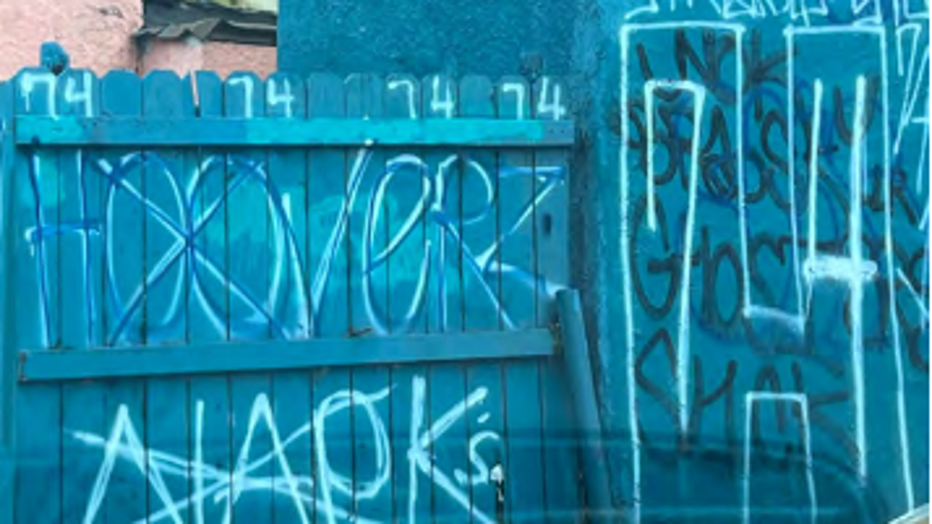
They allegedly acted as pimps by managing victims, renting motel rooms, and using violence, humiliation, and other tactics to discipline those who disobeyed.
The indictment also claims that the gang recruited victims, often vulnerable minors, through social media and in-person and that they were sometimes branded with the pimp's tattoo.
"Victims were required to remit all proceeds from commercial sex dates to the pimp. A victim who refused or who otherwise disobeyed a pimp faced discipline, including assaults, berating, public humiliation, and withholding of affection, drugs or food. Victims also were branded with tattoos of a defendant’s moniker," the indictment read.
According to court documents, the pimps targeted vulnerable minors and young women, particularly those with financial or emotional struggles, or those who had run away from home.
"Pimps also plied their victims with drugs ranging from oxycodone to amphetamines," the indictment stated. "Victims were recruited via false promises of a luxurious lifestyle, intimidation, and actual or threatened violence."
In one instance in April 2024, two of the alleged pimps used rooms at a South LA motel to traffic their victims, one of whom was 14-years-old. One of the alleged pumps, Amaya Armstead, allegedly gave the victim – who was sex trafficked for at least three consecutive days – condoms to use for commercial sex dates with "Johns" or sex buyers.
What we know:
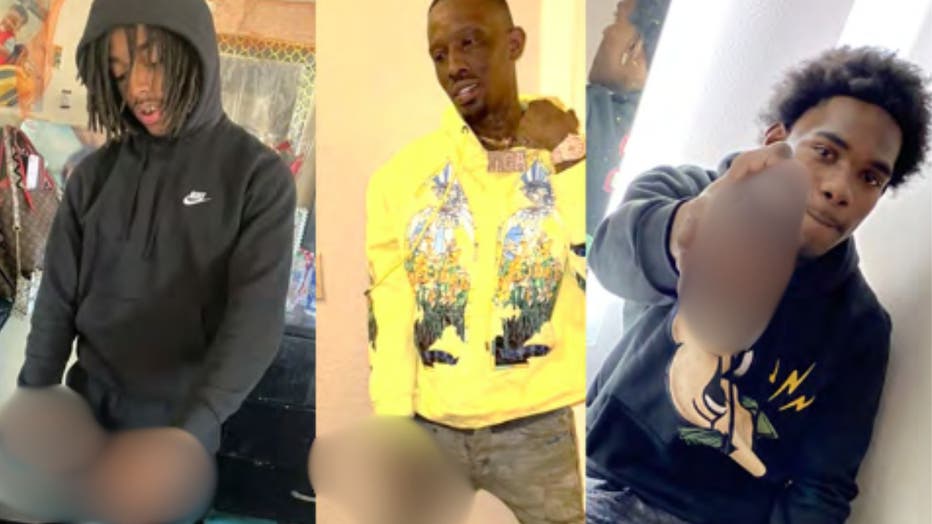
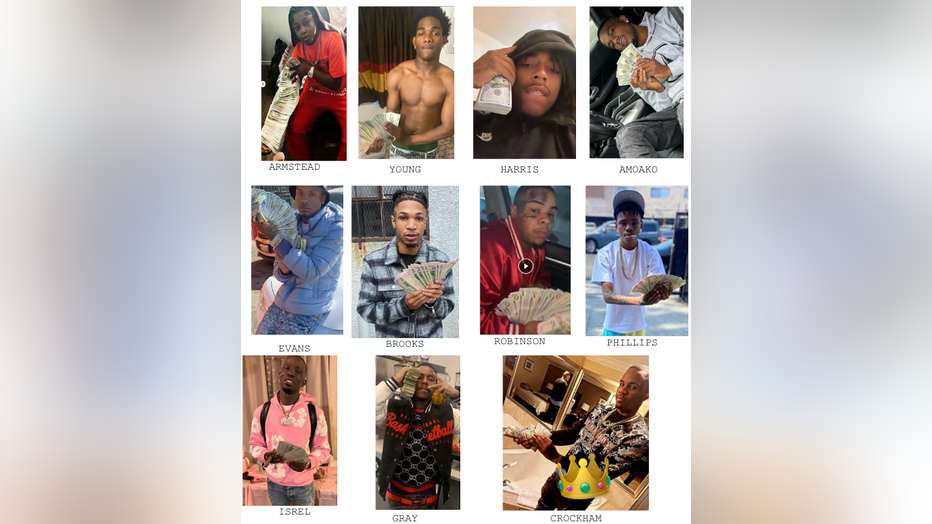
The following individuals are charged with one count of conspiracy to violate the Racketeer-Influenced and Corrupt Organizations (RICO) Act:
- Amaya Armstead, 25, a.k.a. "Lady Duck," of South Los Angeles, the case’s lead defendant and the de facto leader of the 112 set of the Hoover Criminal Gang and who is accused of sex trafficking a 14-year-old girl;
- Kenyondre Young, 22, a.k.a. "Yunkg Poke," of South Los Angeles;
- Naziz Harris, 19, a.k.a. "N4," of South Los Angeles;
- Avery Amoako, 27, a.k.a. "Handz," of Long Beach;
- Jared Evans, 29, a.k.a. "Jmoney," of the Mid-City area of Los Angeles;
- Mathew Brooks, 22, a.k.a. "Vermont Star," of Riverside;
- Derail Robinson, 22, a.k.a. "Popkorn," of South Los Angeles;
- Jalon Phillips, 22, a.k.a. "Chop Em," of South Los Angeles;
- Bryan Isrel, 31, a.k.a. "4Loc," of South Los Angeles;
- Tejohn Gray, 25, a.k.a. "Tiny3," of South Los Angeles; and
- Tommy Crockham, 30, a.k.a. "Tommy Gunz," of South Los Angeles.
Dig deeper:
The indictment described the Hoovers as a criminal street gang formed in the late 1970s and later became part of the larger "Westside Crips" umbrella.
The Westside Crips eventually split into two factions – the Gangster Crips and the Neighborhood Crips -- and the Hoovers aligned themselves with the Gangster Crips.
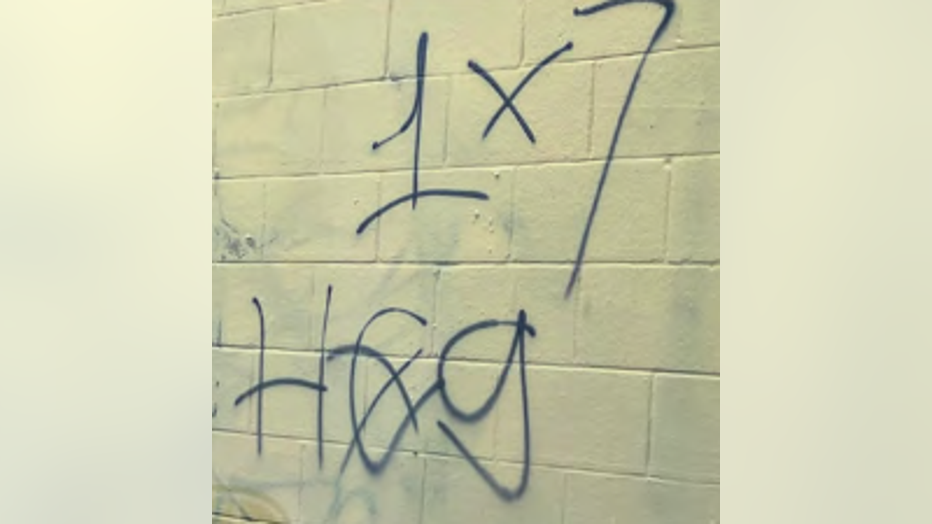
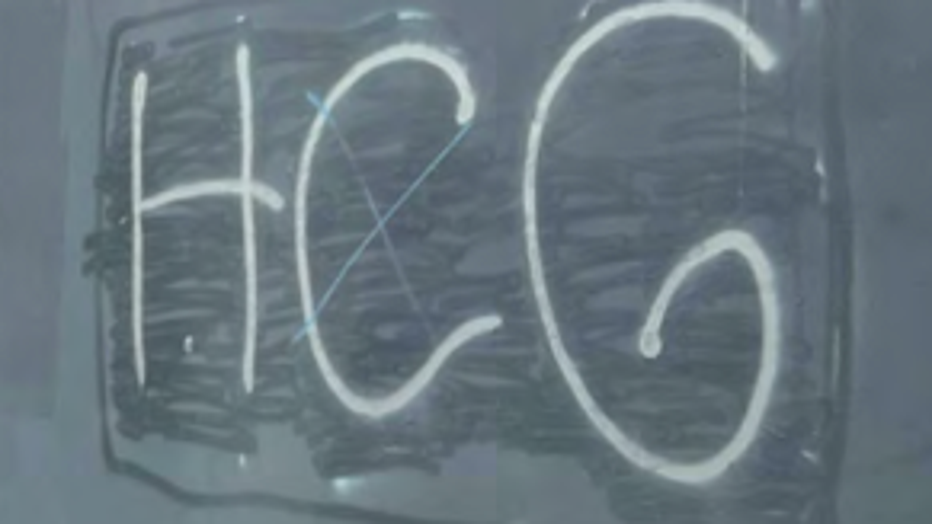
From the late 1970s to the early 1990s, the Hoovers were known as "Hoover Gangster Crips" or "HGC." To differentiate themselves from other gangs in the area and to establish their own reputation, Hoovers factions or "sets" dropped the "Gangster Crip," from their identity and became the "Hoover Criminal Gangsters" or simply the "Hoover Criminals."
"The more sovereign Hoovers gang identity gave rise to the especially dangerous Hoovers mentality of being an ‘Everybody Killer,’ or ‘EBK,’ meaning that members will kill anyone, or commit violence against anyone, who stands in their way of making money or promoting the Enterprise," court documents stated.
"This created an atmosphere of intimidation that allowed the Hoovers to operate with virtual impunity. Moreover, the pride and power of being associated with the Hoovers enabled and empowered its members and associates to commit criminal offenses that enriched the individuals and furthered the reputation and objectives of the Enterprise," the indictment read.
What they're saying:
Acting United States Attorney Bill Essayli stated that federal law provides harsher sentences for sex trafficking than state law.
"There are no meaningful consequences for their conduct under state law, so the federal government... will step in to make sure these criminals face lengthy prison sentences," he said.
Homeland Security Investigations Los Angeles Special Agent in Charge Eddy Wang emphasized the agency's commitment to fighting human trafficking.
"No human should be for sale – not here in Los Angeles or anywhere in our society," Wang said.
Los Angeles Police Chief Jim McDonnell commented on the victims, saying they were "preyed upon by individuals who sought to profit from their pain."
He added that the LAPD is committed to working with federal partners to "dismantle these criminal networks, bring their perpetrators to justice, and ensure survivors receive the protection and support they deserve."
What's next:
Law enforcement is still looking for one defendant, Bryan Isrel.
The Source: This report is based on a 31-count indictment and official statements from federal and local law enforcement agencies, including the U.S. Attorney's Office, Homeland Security Investigations, and the Los Angeles Police Department. The information is derived from court documents and public comments made by authorities involved in the investigation.