

US imposes 4-year cap on student visas
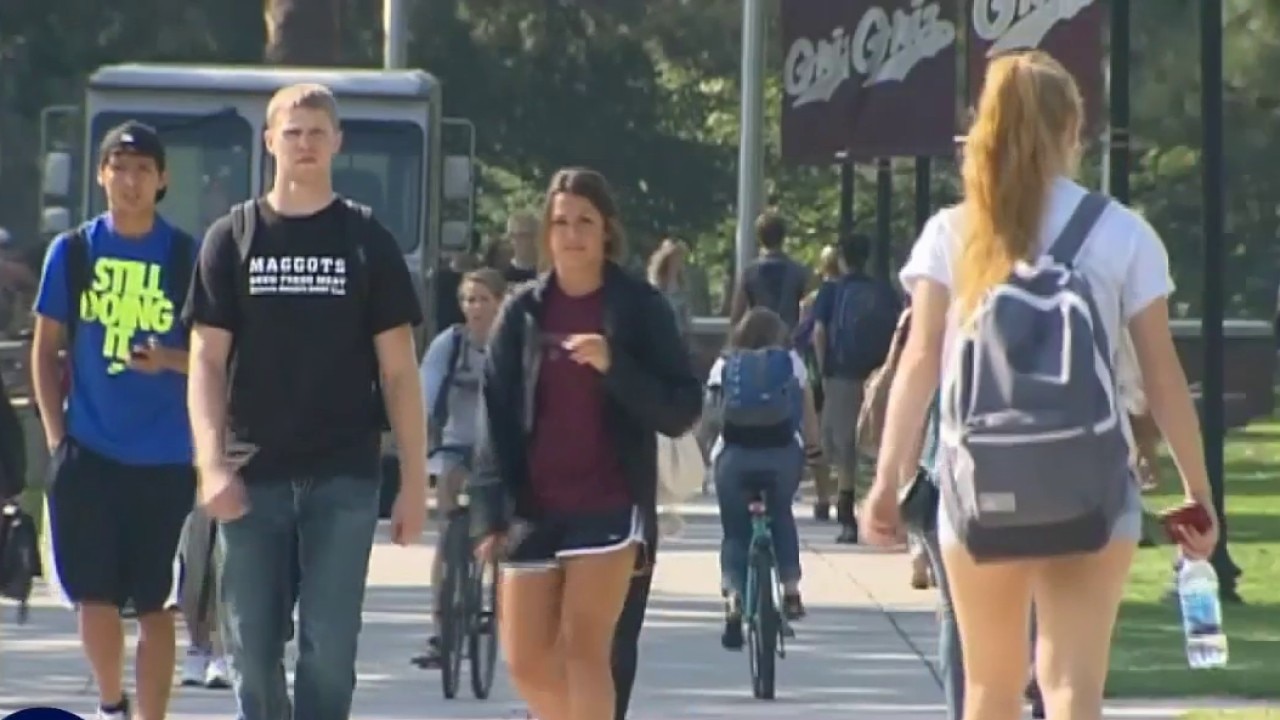
New rule caps foreign student visas at four years
Beginning this fall, most F1 student visas will be capped at four years, replacing the longstanding policy allowing students to stay for the length of their degree.
LOS ANGELES - The Department of Homeland Security has finalized a regulation to replace the decades-old "duration of status" framework with fixed periods of admission for international students and exchange visitors.
Moving forward, nonimmigrant visa holders under F, J, and I classifications will face a strict four-year cap on their stay unless they secure formal federal approval for an extension.
What we know:
The new regulation fundamentally changes how international student (F), exchange visitor (J), and media representative (I) visas are monitored by the U.S. government.
Under the previous framework established in 1978, individuals were allowed to remain in the country for as long as they maintained their status and enrollment.
The finalized reforms introduce the following strict parameters:
- Fixed Admission Caps: Visas will be linked directly to the length of the academic program, up to a maximum cap of four years.
- Mandatory Federal Extensions: Students requiring extra time must apply for an Extension of Stay directly with U.S. Citizenship and Immigration Services. This transfers vetting power from university officials to federal authorities, exposing applicants to background checks and biometric screening.
- Reduced Grace Period: The time window for F-1 graduates to leave the country, transfer institutions, or adjust their status has been cut in half, dropping from 60 days to 30 days.
- Academic Restrictions: The rule enforces strict limitations on when and how students are permitted to change their majors or academic programs.
Current visa holders in the U.S. will transition to this model automatically, with their remaining authorized stay capped at a maximum of four years from the rule's upcoming effective date.
SUGGESTED: Trump administration may charge $100K bonds for green-card applicants: reports
What we don't know:
The draft does not specify the precise criteria federal authorities will use to approve or deny an Extension of Stay request, nor does it outline the exact "strict limitations" that will govern the program and major changes.
What they're saying:
The Trump administration views the policy change as a necessary corrective action to preserve the integrity of the nation's immigration controls.
SUGGESTED: USCIS to scrap Biden-era 'public charge' policy that could deny green cards for immigrants
"For nearly half a century, the outdated 'duration of status' system has compromised national security and created an environment ripe for immigration fraud," said DHS Secretary Markwayne Mullin. "By implementing clear, finite limits on these visas, the United States is reclaiming its ability to properly screen, vet, and monitor individuals within our borders. This final rule ensures that foreign students remain focused on their primary purpose: completing their studies and returning home."
The other side:
Education advocacy groups strongly contend the rule is both redundant and damaging to the global standing of American universities.
"This action is unnecessary and duplicative," said Zuzana Wootson, deputy director of federal policy at the Presidents’ Alliance on Higher Education and Immigration. "International students are already among the most closely monitored nonimmigrant populations in the U.S. and are subject to rigorous oversight by DHS and academic institutions."
"At a time when global competition for talent is intensifying, this policy sends exactly the wrong message," added Fanta Aw, CEO of NAFSA. "It tells the world’s brightest students and scholars that the United States is becoming less welcoming, less predictable, and less committed."
What's next:
The final rule is scheduled to be published in the Federal Register within the coming days.
Following its publication, a 60-day countdown will begin, making the new policy officially effective this September.
International students needing more than four years to complete their degrees will soon have to prepare formal paperwork for USCIS vetting rather than relying on university sign-offs.
The Source: This report is compiled directly from official policy declarations issued by the Department of Homeland Security. The Associated Press contributed.