

Iran war latest: Strait of Hormuz closed again due to US blockade
Iran has taken control of the critical Strait of Hormuz again as the war enters its 49th day Saturday.
Iranian officials said the strait, where 20% of the world's oil passes daily, will remain closed until the U.S. blockade on Iranian ships and ports ends.
Here's the latest:
Iran fires on tanker in Strait of Hormuz
6:23 p.m. ET - Ships in the Strait of Hormuz were forced to turn around Saturday after Iran closed the waterway again and opened fire on a ship trying to pass through.
The British military reported that two gunboats manned by members of the Iranian Revolutionary Guard fired upon a tanker. The U.S. Maritime Trade Operations center reported both the ship and crew are safe, but it did not identify which ship was involved.
Where do peace talks stand?
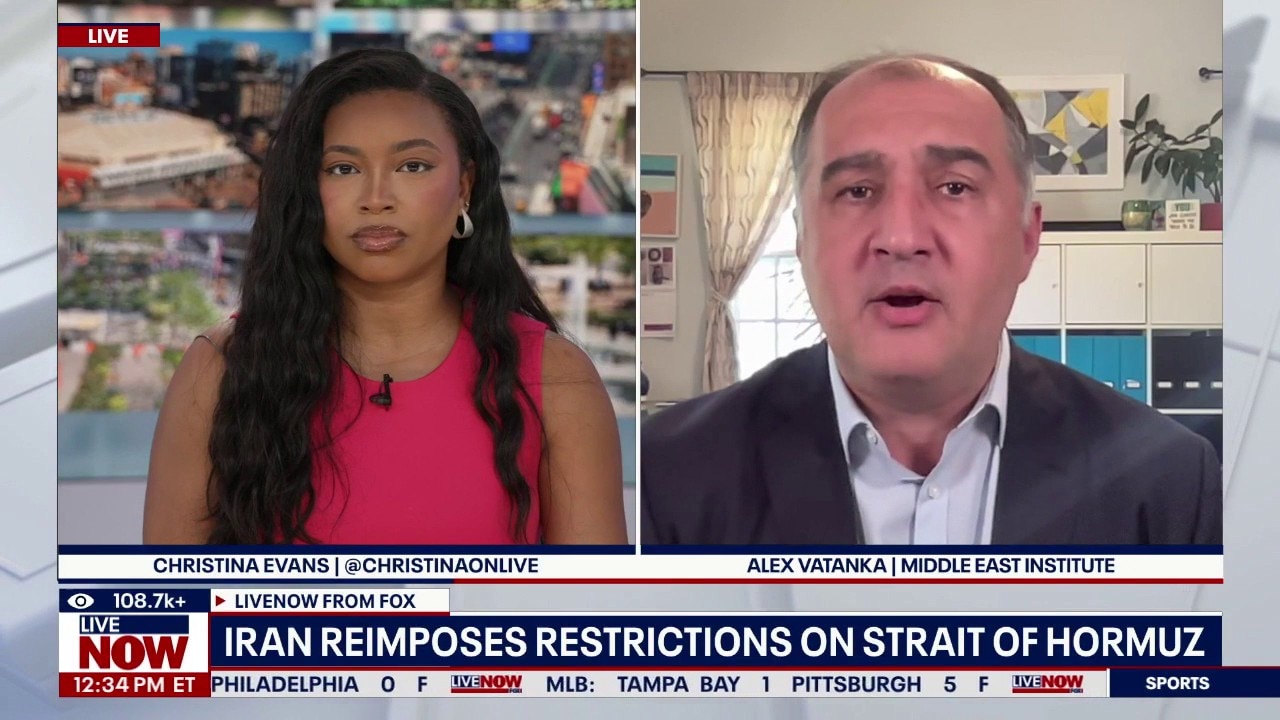
Trump says Iran 'got a little cute' with Strait of Hormuz
President Trump on Saturday said Iran 'got a little cute' with the Strait of Hormuz during an executive order signing at the White House. LiveNOW's Christina Evans discusses the latest developments with Alex Vatanka, a senior fellow at the Middle East Institute.
2:45 p.m. ET: The fragile ceasefire between Israel, the U.S. and Iran is due to run out by Wednesday. Iran said it had received new proposals from the United States, and Pakistani mediators were working to arrange another round of direct negotiations.
For Iran, the strait’s closure is perhaps its most powerful weapon, threatening the world economy and inflicting political pain on President Donald Trump. For the United States, the blockade keeps up pressure and could strangle Iran’s already weakened economy.
Iran’s new supreme leader, Ayatollah Mojtaba Khamenei, issued defiant remarks on Saturday, saying the navy stands "ready to inflict bitter defeats on its enemies." He has not been seen in public since being elevated to the post following his father’s death in Israel’s opening barrage.
Iran closes Strait of Hormuz again
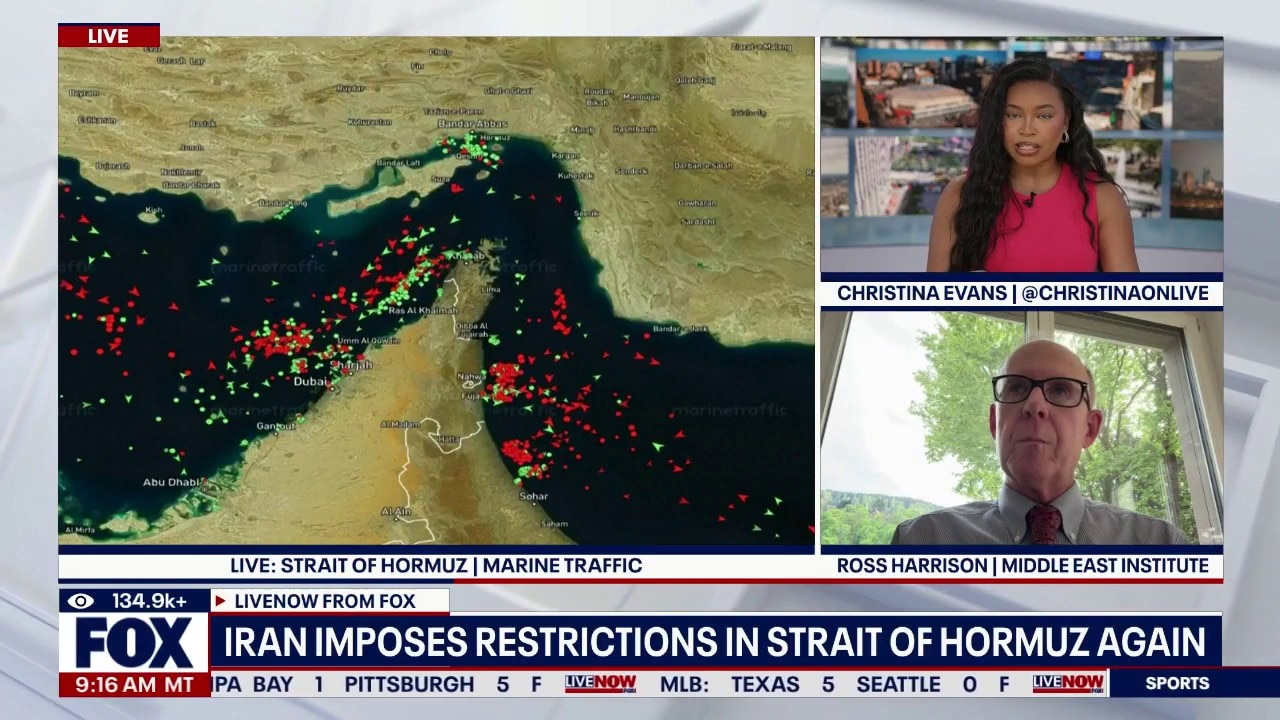
Iran imposes restrictions in Strait of Hormuz
The standoff over the Strait of Hormuz escalated again Saturday as Iran reversed its reopening of the crucial waterway and fired on ships attempting to pass, in retaliation after the United States pressed ahead with its blockade of Iranian ports.
8:15 a.m. ET: Iran fully reopened the Strait of Hormuz to commercial vessels Friday, but President Donald Trump said the American blockade on Iranian ships and ports "will remain in full force" until Tehran reaches a deal with the U.S., including on its nuclear program. Nearly 20% of the world's oil passed through the strait daily before the U.S. and Israel launched the war against Iran.
Iranian officials said the blockade was a violation of last week’s ceasefire agreement between Iran and the U.S.
The strait "will not remain open" if the blockade continues, Iran’s parliamentary speaker, Mohammad Bagher Qalibaf, posted on X early Saturday.
According to The Wall Street Journal, some 20 ships have turned around since Iran took back control of the strait, and at least two ships were fired at.
The backstory:
Trump imposed the blockade earlier this week after Iran restricted traffic through the strait due to fighting in Lebanon, which Iran claimed was a breach of the Pakistan-brokered ceasefire. Trump later suggested a second round of direct US-Iran talks could happen this weekend.
READ MORE: Iran will play in 2026 World Cup in U.S. despite war, FIFA president says: report
Oil prices fell 9% and the Dow jumped as much as 1,100 points after Iran said the strait was open, meaning tankers can resume shipments from the Persian Gulf. U.S. stocks notched a third straight weekly gain on hopes of avoiding a worst-case economic scenario. Data firm Kpler said markets showed "cautious optimism" but warned it could take "months, not weeks" to return to normal.
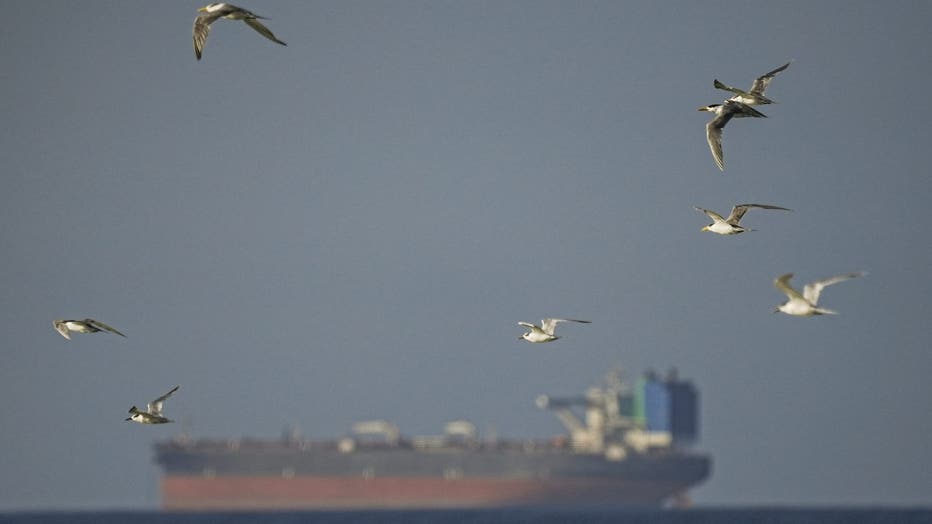
OMAN - APRIL 08: A view of the vessels heading towards the Strait of Hormuz following the two-week temporary ceasefire reached between the United States and Iran on the condition that the strait be reopened, seen in Oman on April 08, 2026. (Photo by
Ceasefire holding in Lebanon, Israel
8:15 a.m. ET: A 10-day ceasefire in Israel and Lebanon began at midnight Friday and appears to be holding after more than a month of war between Israel and Hezbollah, though the Iran-backed Lebanese militant group is not a party to the deal.
Israeli Prime Minister Benjamin Netanyahu said Israel is "not finished yet" with Hezbollah. Hezbollah said its response will depend on how events unfold.
The fragile calm has prompted thousands of displaced Lebanese families to head home. The Israel-Hezbollah war has displaced over a million people in the tiny country. Nearly 2,300 people in Lebanon have been killed by Israeli air strikes.
The Source: This article includes information from The Associated Press and previous FOX Local reporting.