

Efforts underway to get rid of California's top-2 primary system
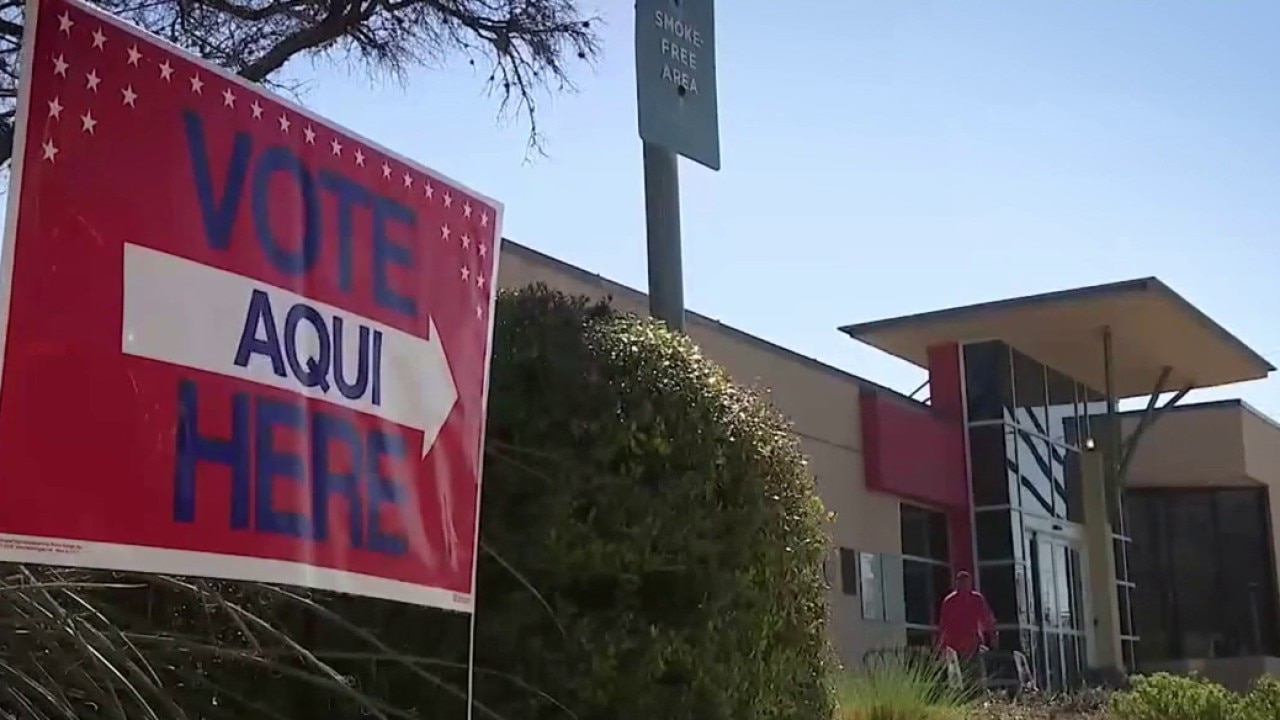
Effort underway to end California's top-2 primary system
California’s top-two "jungle" primary system is facing renewed criticism more than a decade after voters approved it.
LOS ANGELES - California is a week away from the so-called "jungle" primary election.
The top-two primary model has been in place for over a decade, but now there's a growing effort to repeal it.
"It went on the ballot, it was barely approved, and we've been living with it since 2012," said Democratic strategist Steven Maviglio.
He's talking about California's "jungle" primary model, meaning regardless of party affiliation, all candidates share one primary ballot when residents vote in the June election.
The top two vote-getters will then advance to the general election in November.
"It's called a jungle primary for a reason. You have, in this case, more than 60 names on your ballot to choose from, so Republicans can vote for Democrats, Democrats can vote for Republicans," said Maviglio.
Steve says the theory of the jungle, or top-two, primary was to empower voters to have more choices and vote independently.
But he argues some voters from both parties are having buyer's remorse.
He says that's because, in this primary election in California, there's a chance two Republican gubernatorial candidates can make it to the November ballot.
"Or the other way around, now it's more likely there will be two Democrats on the ballot, which means Republicans would have no one representing their party or values," said Maviglio.
In a crowded, high-stakes race, Steve claims the voters are the ones losing under the current primary model.
It's why he's proposed a ballot initiative to go back to the old system, so two candidates of the same party are not duking it out in the general election.
"We're seeing the Republican Party paying for ads for a Democratic candidate because they know that's the weakest candidate to face in November, and vice versa. So it's become a real game for a lot of the consultants, and it leaves voters in the dark because they don't have anyone who really reflects their values in November," said Maviglio.
Steve says he hopes the ballot measure will appear on the 2028 general election ballot, but he adds it needs a set amount of signatures first.
He said if it passes in 2028, it would go into effect in 2030.