

Black history, one plate at a time: The story of Stevie’s Creole Café
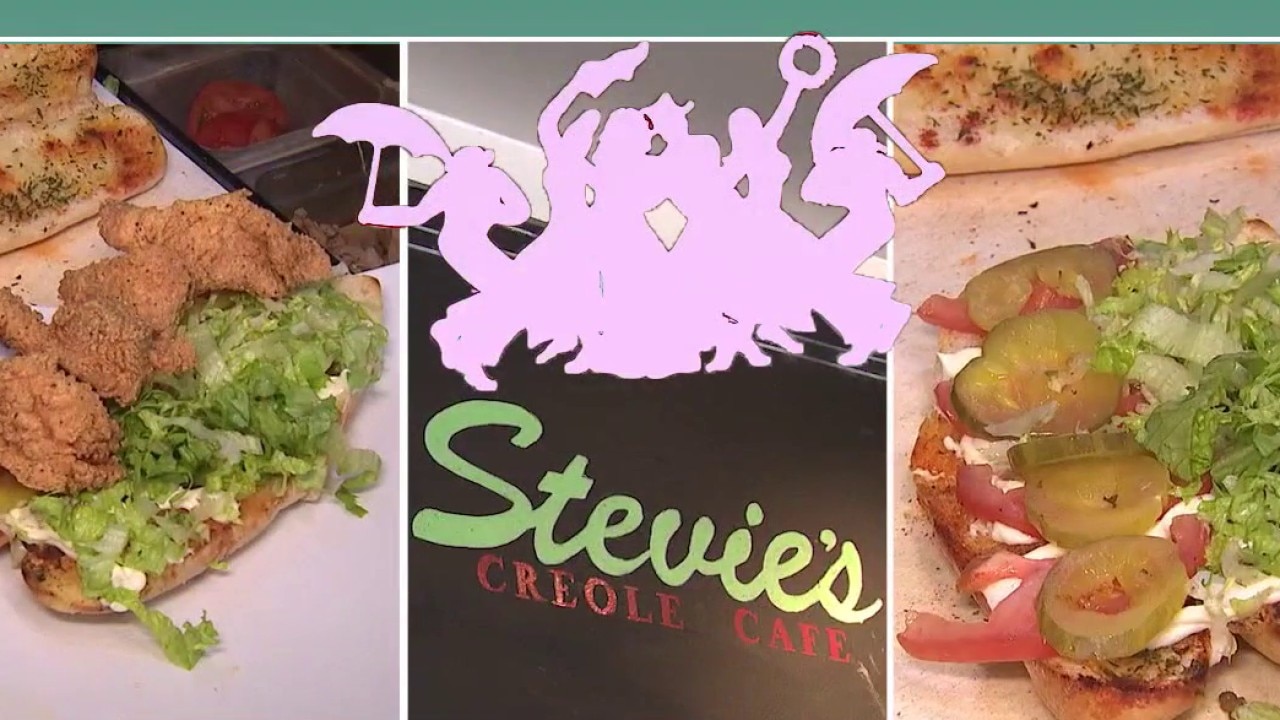
Inside Stevie's Creole Cafe
We're highlighting a local restaurant who's bringing a taste of Louisiana to Los Angeles. FOX 11's Star Harvey introduces us to Stephen Perry of Stevie's Creole Cafe.
LOS ANGELES - Black history isn’t just archived in books. Sometimes, it’s cooked, served, and passed down, one plate at a time. That’s the story behind Stevie’s Creole Café, founded by Stephen Perry, whose lessons in hustle, family, and food began long before his restaurant ever opened.
"I wanted butter on my popcorn at the movies," he recalls. "My mom said, ‘I don’t have another nickel.’ So I learned to earn. And that changed my life."
By age 10, Perry was working as a child actor, discovering confidence and opportunity outside the classroom.
"I wasn’t great at school," he says. "But I had something school doesn’t teach you."
That instinct to earn eventually turned into the drive to build. After a disappointing restaurant experience, Perry made a promise to himself and kept it. In 1986, he opened Stevie’s on the Strip at Crenshaw and Jefferson. On day one, the community showed up in force. The opening-day chef quit within minutes, overwhelmed by a line down the block.
"I was scrambling then," Perry laughs. "And I’ve been scrambling ever since."
But the restaurant didn’t just survive. It became a staple. Perry’s daughter Lauren Perry and her five sisters grew up inside the business, learning it before they understood it.
"I thought all the food was mine," Lauren says. "I just wanted to help—make cornbread, refry something, be part of it."
Watching her parents build something lasting left an impression.
"For a Black family," she says, "starting a business is hard. Passing it down is even harder. That’s legacy."
The food made Stevie’s famous. The smoky, crispy fried chicken still draws customers decades later.
"It’s nostalgic," Lauren says. "People walk in asking for it. And I’m proud my dad created it."
Then there’s Gumbo Fridays, rooted in family and love. Lauren explains that her mother, whose family is from Louisiana, introduced Perry to gumbo early in their relationship.
"She made him gumbo, and he thought it was magic," Lauren says. "It became our best seller."
The dish caught national attention when legendary food critic Jonathan Gold called it "the best gumbo this side of the Mississippi." Perry didn’t even know Gold had visited until he saw the Los Angeles Times spread. As Stevie’s grew, Perry expanded into the San Fernando Valley, bringing Creole cuisine into spaces where it hadn’t always been welcome.
"Here comes a little Black guy saying, ‘I can make it here,’" he says. "And I did."
Today, Stevie’s has hosted artists, athletes, and entertainers—but it remains a family business at its core.
"Every person matters," Perry says. "If the dishwasher doesn’t work, nobody eats."
Lauren sees that philosophy daily in the regulars who walk in for hugs, jokes, and familiar flavors.
"That connection," she says, "is what Black History Month is really about: acknowledging what Black people have built, and keeping it going."
Now 78, Perry measures success by what comes next.
"My success depends on what happens after I’m finished," he says. "I want my kids to carry this forward."
At Stevie’s Creole Café, Black history isn’t just remembered. It’s alive. It’s shared. And it’s still being served.
The Source: Information for this story came from an interview with Stephen and Lauren Perry.