

Cyclospora parasite causing 'explosive diarrhea' reaches California as US cases break records
Parasitic outbreak spreading across U.S.
The parasitic outbreak of cyclosporiasis has sparked warnings over handling fresh produce.
LOS ANGELES - A record-shattering parasitic outbreak is sweeping the U.S., putting California residents on high alert as they navigate peak summer produce season.
While the California Department of Public Health reports that local cases are currently low and mostly tied to travel, the sheer scale of the nationwide cyclospora surge—which has officially surpassed the country’s all-time caseload record—is prompting local health experts to urge residents to handle fresh greens with extreme caution and stay vigilant when dining out.
What is cyclosporiasis?
What we know:
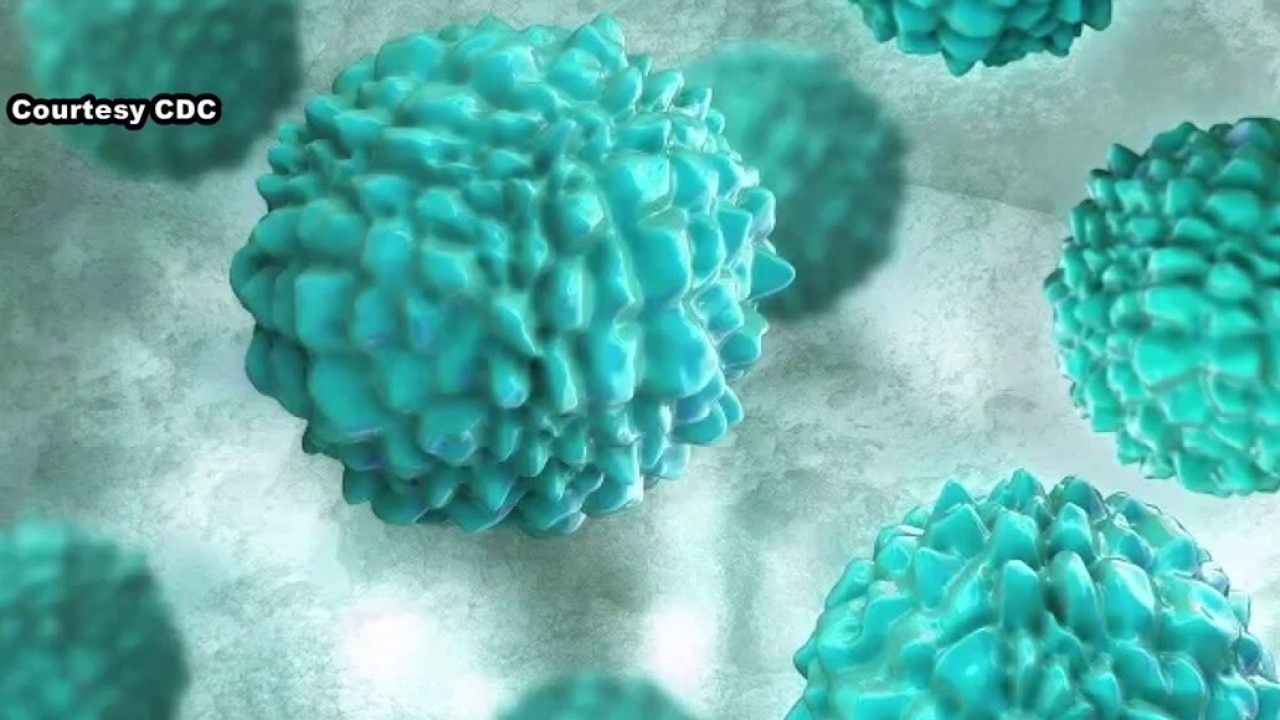
The current outbreak is caused by "Cyclospora cayetanensis," a microscopic, spherical parasite that infects the bowels and spreads through contact with infected feces.
The illness, cyclosporiasis, is known for causing watery diarrhea with frequent and sometimes "explosive" bowel movements, along with stomach cramps, bloating, fatigue, and nausea.
Cyclosporiasis outbreak hits more than half of US
The source of the outbreak remains unknown, but past Cyclospora outbreaks have been linked to fresh produce, including bagged salads, cilantro, basil, raspberries, snow peas and green onions.
The CDC's real-time national totals typically lag behind local reporting, but federal officials recently issued an alert noting 1,645 confirmed domestic cases and over 5,100 additional cases undergoing domestic verification analysis across 34 states.
RELATED: This is why federal health officials are tracking a stomach bug in 31 states
State-level data reveals a much higher actual toll:
- Michigan: Over 3,300 cases (the state usually averages 40 to 50 annually).
- Northwest Ohio: More than 1,100 cases.
- New York City: Over 400 cases.
- Illinois: More than 200 cases.
- California: Currently reporting isolated cases.
How does it spread?
The parasite thrives in hot weather, meaning outbreaks are highly seasonal and peak during the late spring and summer months, according to officials.
It spreads strictly when individuals consume food or water that has been contaminated with infected feces, meaning direct person-to-person transmission is highly unlikely. This lack of direct spreading occurs because the parasite is not immediately contagious upon leaving the body; it requires a one-to-two-week period in the outside environment to develop into its infectious state.
Cyclosporiasis concerns grow in CA as illness spreads
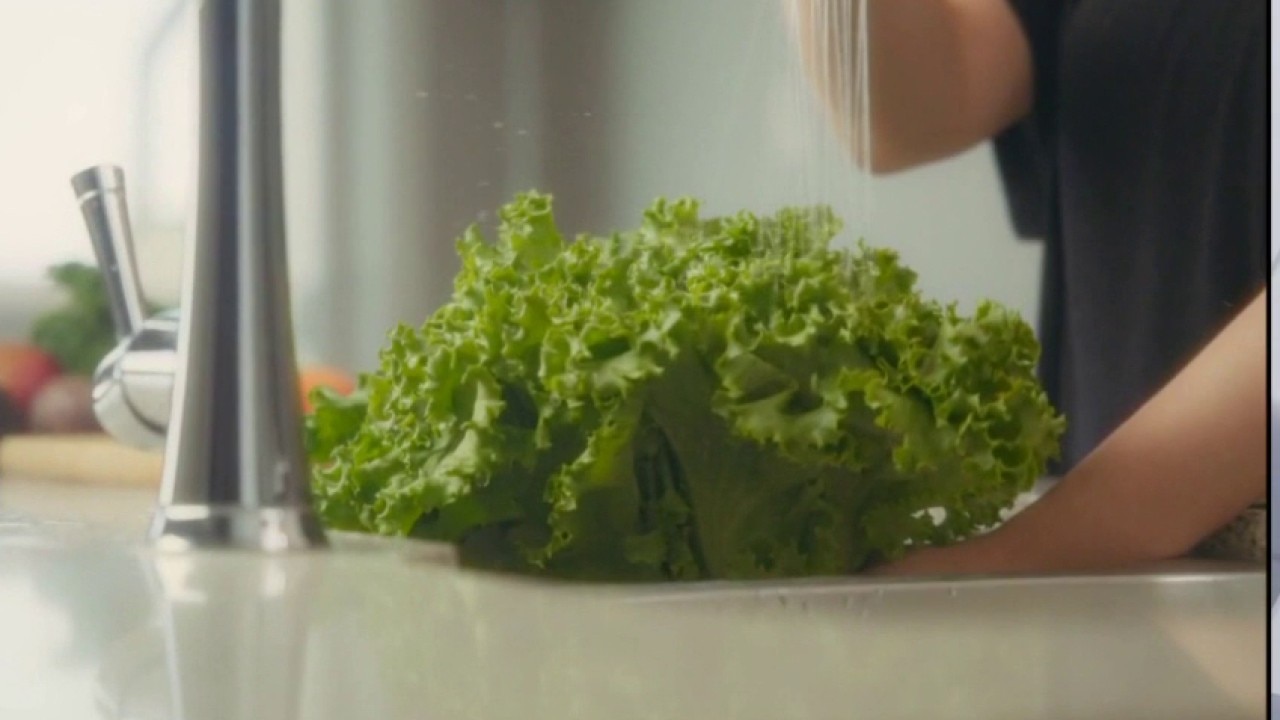
Health officials are pointing to lettuce or salad greens as a potential source behind the outbreak of cyclosporiasis that is spreading throughout the state. Consumers are strongly advised to take special care when purchasing salad greens, including purchasing the whole head of lettuce instead of the bagged variety, and discarding the outer layers. They also ask that people cook when possible, heating the food to temperatures that kill cyclospora, the parasite responsible for the gastrointestinal illness.
Once a person ingests the contaminated produce or water, there is a delayed incubation period, typically taking about one week—though ranging anywhere from two days to more than two weeks—before the infected individual begins showing physical symptoms of the illness.
What are the symptoms?
In addition to severe diarrhea, other common symptoms of cyclosporiasis include: [1, 2, 3]
- Stomach cramps and abdominal pain
- Bloating and increased gas
- Loss of appetite and unintended weight loss
Dr. Karl Kwok, Kaiser Permanente Panorama City Gastroenterologist, emphasizes how unusual and aggressive the primary symptom of cyclospora is compared to a standard stomach bug.
RELATED: Cyclosporiasis outbreak: How to protect yourself from contaminated foods
"The one thing to remember about this illness is that the character of the diarrhea is, sorry to be graphic, is a bit on the explosive side."
"Many of the other symptoms are not as specific. So sometimes when patients get this infection, they may just get a sense of fatigue, brain fog or gas bloat, which is why I think it's so important to try to look at the big picture," he added.
How is it treated? When should I seek medical care?
It is highly treatable with standard antibiotics, though many healthy individuals eventually recover on their own after what is often a highly uncomfortable illness.
For most people, the illness is not life-threatening, but Dr. Kwok warns that the recovery timeline is much longer than a typical 3-to-5-day stomach flu.
RELATED: Cyclosporiasis outbreak possibly tied to salad greens, lettuce, MDHHS says
"It's going to be a bit of a journey. It's going to be a wild ride roller coaster. Individuals may get better sometimes in the course of a few weeks. Other individuals, the symptoms may linger on for a month or potentially more.. especially if you're not able to keep anything down by mouth, you feel dehydrated. That would be a clue and an indication to seek medical care sooner rather than later," he said.
While healthy adults can eventually fight it off naturally, Dr. Kwok outlines who needs immediate medical attention and highlights that effective treatments are readily available.
"We always want to go with the old saying of ‘you know your body the best,’ right? Especially individuals that might be at increased risk of worse outcomes. For example, those at extremes of age, very young, very old. Or those individuals with chronic medical conditions or suppressed immune states. It may be reasonable to seek timely medical care."

PREVIOUS COVERAGE: CDC investigates severe diarrhea parasite outbreak in 17 states
The Centers for Disease Control and Prevention is investigating a multistate outbreak of cyclosporiasis, a parasitic intestinal illness that can cause severe, sometimes explosive, diarrhea. As of June 16, the CDC has identified 145 domestically acquired cases across 17 states. Investigators said those infected became ill after eating food in the United States and reported no international travel during the 14 days before their symptoms began.
What we don't know:
Health officials have not yet definitively identified the specific grower, distributor, or food item responsible for the contamination.
Officials note not all current cases are believed to stem from the same source. In Illinois, for example, more than half of those infected reported traveling outside the United States prior to falling ill, suggesting multiple separate exposure sources.
Historically, identifying cyclospora sources has been difficult because standard medical tests for food poisoning often do not screen for this specific parasite. This has historically led to underreporting, officials said.
Experts attribute the rising caseloads over the past decade to a combination of climate change and improved diagnostic screening.
Lettuce linked to explosive diarrhea outbreak
What they're saying:
With lettuce emerging as the primary suspect, corporate and public health officials are responding aggressively.
After conducting over 1,000 diagnostic interviews with patients, Natasha Bagdasarian, the Michigan Health Department's chief medical executive, noted, "Early information has shown lettuce as a common product that regularly comes up during the investigation."
On Tuesday, Taco Bell took immediate preventative action, releasing a statement confirming they have "...voluntarily and temporarily removed limited ingredients at select restaurants as a precautionary measure. We will continue to closely monitor the situation and follow the guidance of public health authorities."
What's next:
State, regional, and federal agencies are actively conducting tracebacks of domestic supply chains to find where the contamination originated.
Because the incubation period for the parasite can last up to two weeks, and there is a typical six-week delay in confirming and officially reporting cases to the CDC, case counts are expected to continue rising as the investigation continues.
Does washing produce protect you from cyclospora? Here's what experts recommend
What you can do:
Because cyclospora is highly resistant to chemical disinfectants and routine washing, health officials recommend several food safety adjustments when handling fresh produce:
- Avoid Bagged Leafy Greens: Avoid pre-washed bagged lettuce and pre-mixed salad kits.
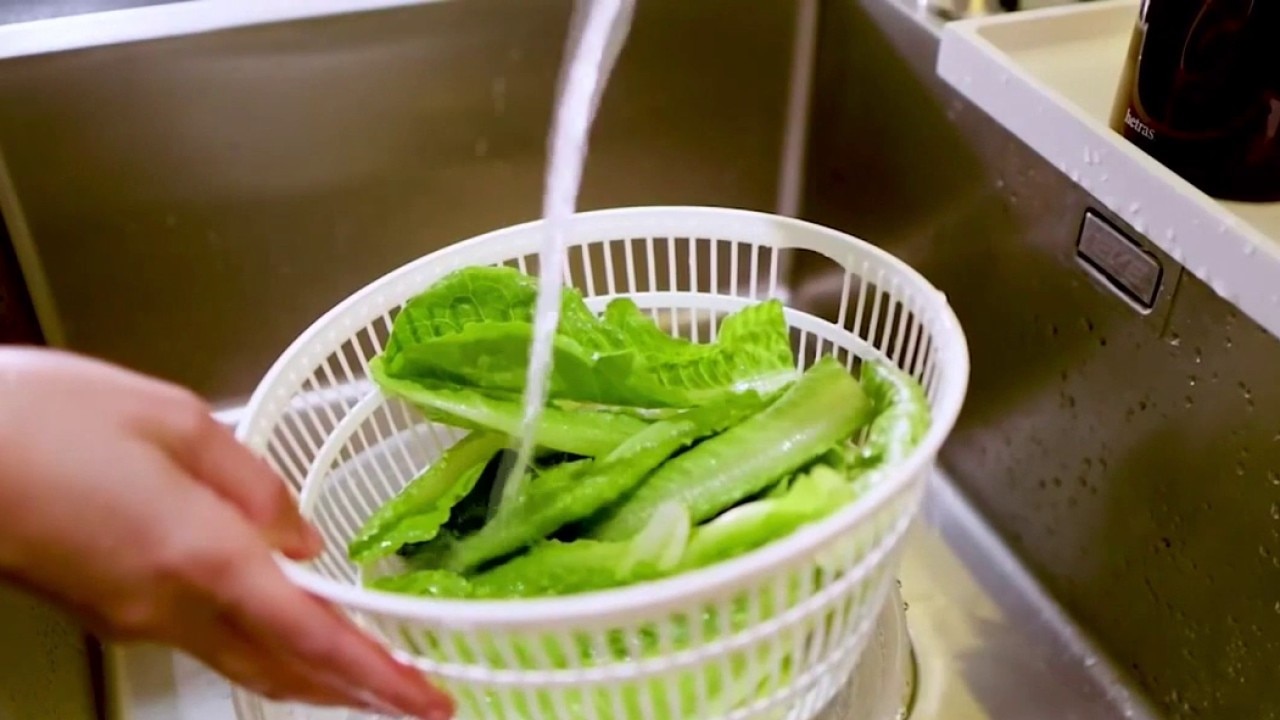
- Prepare Whole Heads Safely: Purchase whole heads of lettuce, discard the outer layers, and wash the remaining inner leaves thoroughly under running water.
- Cook Fresh Greens: Cooking is the only guaranteed way to kill the parasite. Whenever possible, heat vegetables to at least 158°F (70°C).
- Opt for Peelable Produce: Shift toward fruits you can peel, such as bananas, citrus fruits, apples, and watermelons.
- Practice Hand Hygiene: Wash hands thoroughly with soap and water. Alcohol-based sanitizers do not kill the cyclospora parasite.
"This infection, parasitic infection, typically happens during the summer months between May to August... another alternative might be to cook the fruits and vegetable, for example, make jams out of it, make pies out of, oven bake these vegetables," Dr. Kwok said. "It may be wise to shift to, for example, fruits that you can peel, for instance, citrus, apples, watermelons, [and bananas]."
The Source: This report is based on real-time epidemiological data provided by the Centers for Disease Control and Prevention (CDC) and state health agencies including the Michigan Department of Health and Human Services (MDHHS) and the Illinois Department of Public Health. The Associated Press contributed.