

Iranian drone strikes on Amazon data centers expose cloud industry’s vulnerability to conflict
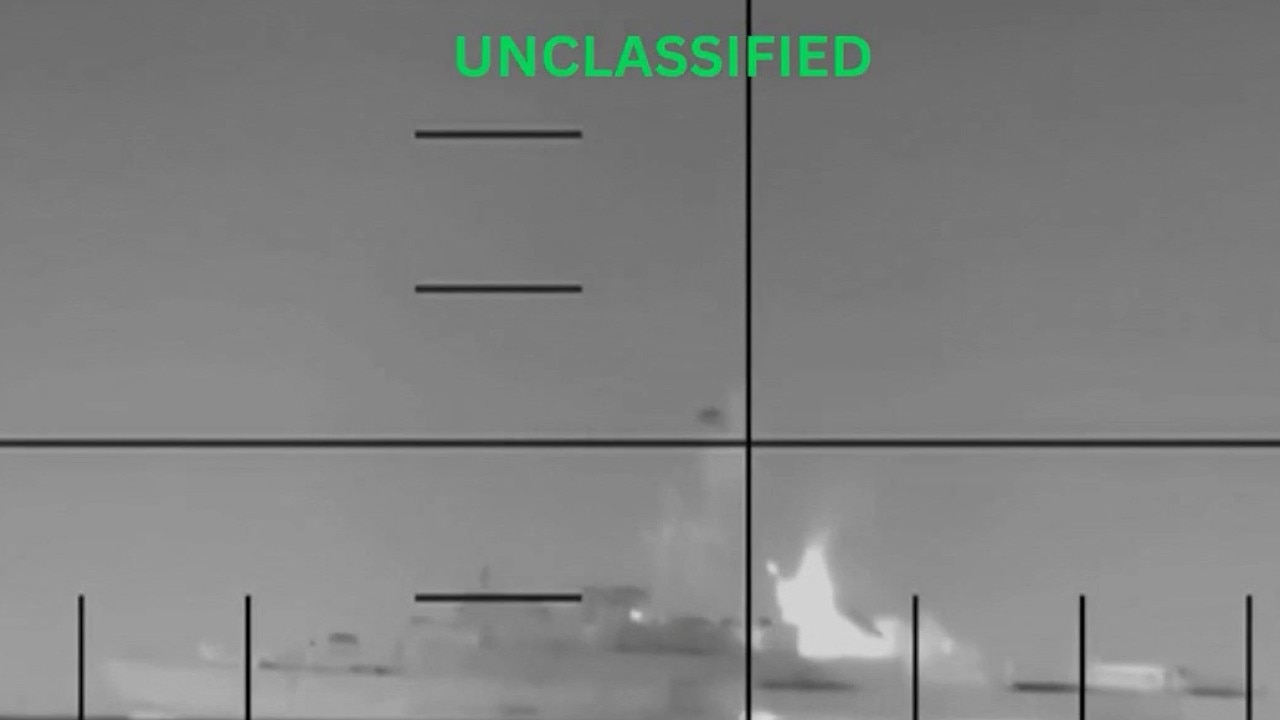
Video shows US submarine torpedo Iran’s IRIS Dena ship
The Pentagon has released footage of the moment a U.S. submarine sank an Iranian ship with a torpedo in the Indian Ocean on Tuesday.
LOS ANGELES - Drone strikes targeting Amazon Web Services facilities in the Middle East have exposed the physical vulnerabilities of the global cloud infrastructure.
While AWS reports making progress on recovery, the attacks have prompted a regional shift in how data traffic is managed during conflict.
What we know:
AWS confirmed late Monday that two data centers in the United Arab Emirates were "directly struck" and a facility in Bahrain was damaged by a nearby drone landing.
The company stated on its online dashboard that "these strikes have caused structural damage, disrupted power delivery to our infrastructure, and in some cases required fire suppression activities that resulted in additional water damage."
SUGGESTED: Live updates: Iran war continues as Americans are urged to leave the Middle East
Unlike previous software-based outages, these physical attacks resulted in localized disruptions.
AWS has advised customers in the Middle East to migrate servers and direct traffic away from the UAE and Bahrain to other geographic regions.
What they're saying:
Mike Chapple, an IT professor at the University of Notre Dame’s Mendoza College of Business, noted that while AWS is designed for seamless failovers, "the loss of multiple data centers within an availability zone could cause serious issues."
He emphasized that cloud computing "still requires physical facilities on the ground, which are vulnerable to all sorts of disaster scenarios."
SUGGESTED: Gas prices jump amid war in Middle East
Chapple further advised that "organizations using services from any cloud provider in the Middle East should immediately take steps to shift their computing to other regions."
What's next:
The industry is now grappling with the fact that standard security measures—like fences and guards—are "designed to keep out intruders rather than defend against missile attacks."
While AWS maintains redundant power and water systems, the focus shifts to whether data center clusters can withstand sustained military conflict.
SUGGESTED: Video shows US submarine torpedo Iran’s IRIS Dena ship
Customers are expected to continue diversifying their data storage across "meaningful distances" to avoid total regional capacity failure.
What you can do:
If you manage business operations or data hosted in the Middle East, AWS recommends manually migrating your workloads to availability zones outside the UAE and Bahrain.
Ensure your disaster recovery protocols account for physical infrastructure loss rather than just software outages.
The Source: This report is based on official status updates from the Amazon Web Services online dashboard via The Associated Press.