

From trauma to healing — The Rose tell their story in new documentary 'The Rose: Come Back to Me'
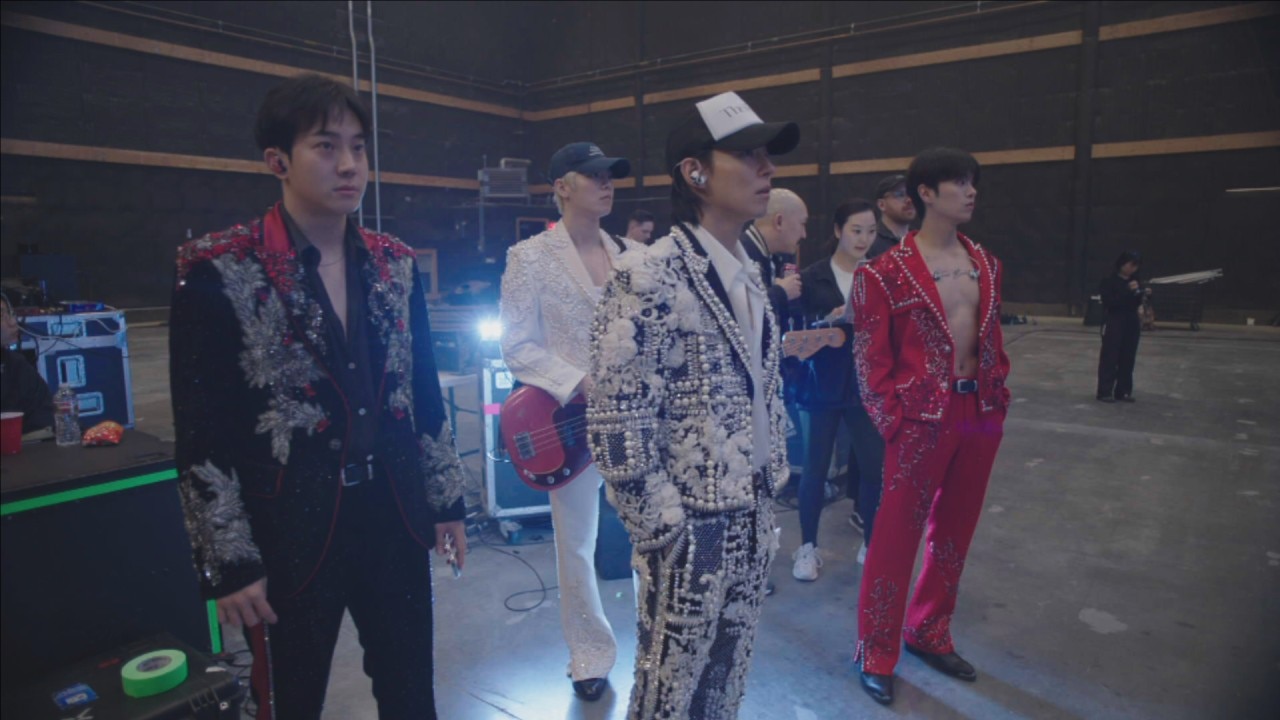
The Rose and Director Eugene Yi open up about "The Rose: Come Back to Me" documentary
Korean rock band The Rose open up about nearly a decade of music, struggle, and growth in their documentary "The Rose: Come Back to Me."
LOS ANGELES - Korean rock band The Rose is pulling back the curtain on nearly a decade of music, struggle, and growth in their new documentary "The Rose: Come Back to Me" — and the result is as emotional as it is inspiring.
The film follows the band — Kim Woosung, Park Dojoon, Lee Hajoon, and Lee Taegyeom — on their journey from early busking days to performing on one of the world’s biggest stages, Coachella. Dojoon describes the documentary as an introduction to the band, capturing seven to eight years of their lives in under two hours. Even with the challenge of condensing so much history, the members say they’re proud of how their story is presented. Eugene Yi, the film’s director, said the documentary tells a story about Korean musicians he’s never seen before — and that it goes beyond just music.
"We touched on a lot of themes that are important to us as a film team, in terms of healing through music and in terms of just being able to show a different image of Asian and Korean musicians for the world to see," Eugene said. "One of our executive producers, Bina Shukla, mentioned after watching the film, just how rare it is to see young men be so honest and open. I think especially now in this day and age, we talk so much about young men and their emotions and getting their feelings across. But to see these guys just be so open and so honest about their story and still just be like rock stars. I think that’s just something that presents an image of masculinity and of young men that is a positive one that we hope can have a good influence on folks when they watch it as well."
The film doesn’t shy away from difficult topics, including mental health. Taegyeom revealed he didn’t want to open up about his personal trauma, especially given cultural pressures to keep emotions private. But through the filmmaking process and the questions he was asked, he found himself wanting to share his story. The band hopes audiences leave carrying a sense of encouragement, self-acceptance, and healing through the film.
"I want them to be encouraged," Dojoon said. "We were just four little guys trying to do something in our own ways… that could lead to somewhere … which means that you could do something in your own way … that could lead [to] somewhere that is fun and amusing and exciting."
"I hope that they realize that you deserve the love," Taegyeom added. "You should love yourself and everyone loves you [whether] it’s your parents, friends, and everyone beside you. After watching this movie, don’t blame yourself and love yourself and you deserve to be loved.
"I want people to get healed through [this] film," Hajoon said. "Every [person is] equal and living life is hard for every [person], so if people watch this movie, maybe they can feel the same."
Eugene mentioned it was a difficult process knowing what to keep in and what to leave because they had too much material. Dojoon documented so much of the group’s beginnings that the film team was left with nearly two terabytes of material spanning almost a decade.
"I think a lot of credit goes to our team and David Simpson, our editor," Eugene said. "To see someone who is really a master of his craft at work, it really helped to clarify things and to make sure we’re hitting all the right emotional beats because I think that’s always the important thing."
The documentary ends with the band’s Coachella performance — a peak in their career. When asked what’s next for The Rose, Dojoon said they’re returning to what they’ve always done — writing music, performing shows, and following their natural creative energy into the next chapter.
Visit TheRoseDoc.com for more information on theater listings.