

Are dyed Easter eggs safe to eat? What you need to know this Sunday
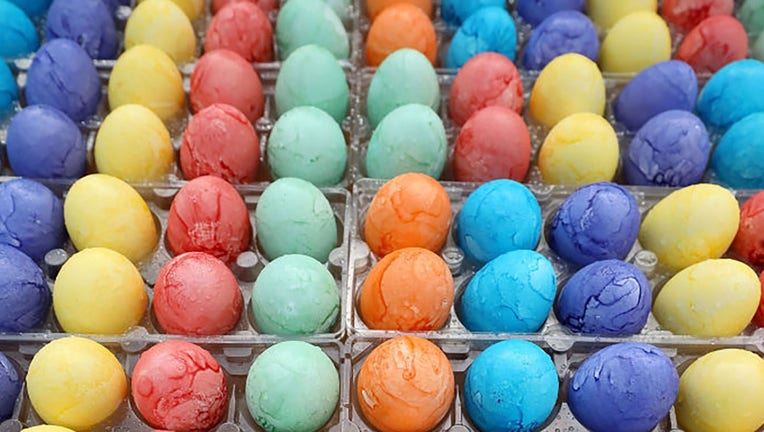
FILE - Thousands of dyed eggs are ready to be rolled by children during the 139th Easter Egg Roll on the South Lawn of the White House April 17, 2017, in Washington, DC. (Photo by Chip Somodevilla/Getty Images)
PHILADELPHIA - Before cracking open those brightly colored eggs, experts say there are a few key things to consider.
What we know:
Food safety experts say dyed Easter eggs can be safe to eat, but only under certain conditions, according to reporting from the Associated Press.
The type of dye used is one factor, but experts say it’s not usually the main concern.
Instead, proper handling and storage play a much bigger role in whether the eggs remain safe.
Why storage and timing matter
The biggest concern isn’t the dye, it’s how long eggs sit out and how they’re handled after decorating, experts told the Associated Press.
Hard-boiled eggs should not be left at room temperature for more than two hours, or one hour in warmer conditions, because bacteria can grow quickly.
Eggs used in Easter egg hunts or left outside may also be exposed to dirt, cracks, or bacteria, making them less safe to eat.
What we don't know:
It can be difficult to tell whether an egg has been exposed to unsafe conditions, especially after being handled multiple times or left out.
Even eggs that look normal may not be safe if they weren’t stored properly.
Featured
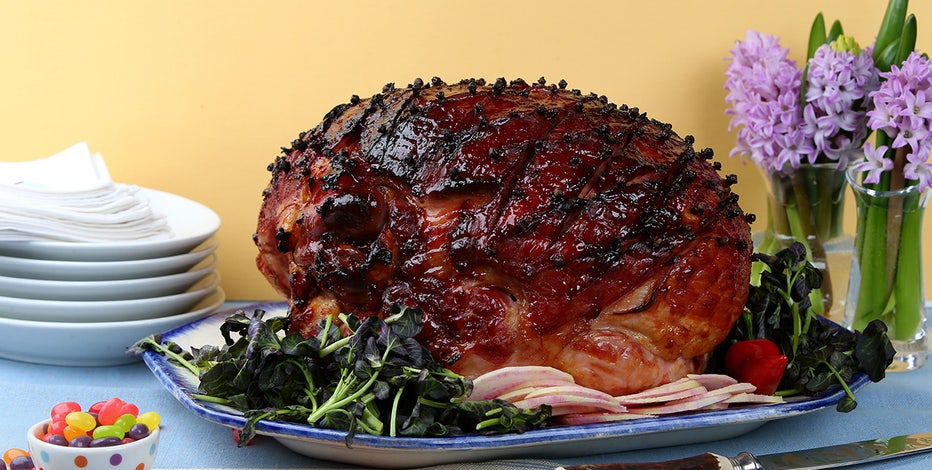
Easter and Passover food safety tips: How to reduce the risk of foodborne illness
Families and friends will be gathering around the dinner table to mark Easter, Passover, Mother’s Day, and other occasions. With so many people cooking these at home, the U.S. Department of Agriculture (USDA) wants to ensure they know how to prepare them to avoid contamination by foodborne bacteria.
What's next:
Experts recommend refrigerating eggs soon after dyeing and being cautious about eating eggs that were used for decorations or outdoor activities.
Hard-boiled eggs that are properly stored can typically last up to a week.
The Source: This article was written using information from the Associated Press and Delish, including expert guidance on food safety.