

California designates coastal mountain lions as threatened species
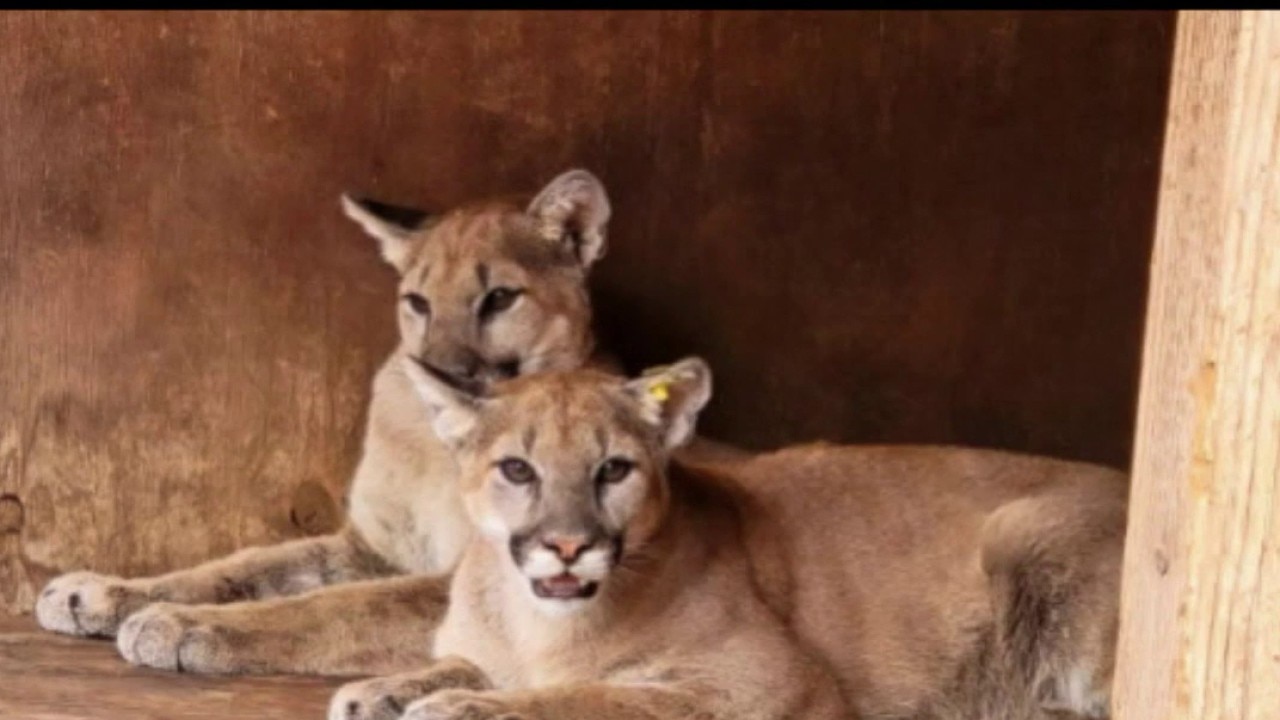
New protection for California mountain lions
Just weeks after a mountain lion wandered into San Francisco, state officials voted to permanently protect populations of the charismatic predators that prowl the coastal mountains between the Bay Area and the Mexican border.
LOS ANGELES - California wildlife officials have granted permanent protected status to mountain lion populations stretching from the Bay Area to the Mexican border.
What we know:
The ruling lists six distinct groups of mountain lions as "threatened" under the California Endangered Species Act (CESA).
These cats, which represent about one-third of the state’s estimated 4,200 cougars, face "extinction vortex" conditions due to habitat fragmentation.
Scientists have already documented physical signs of inbreeding, such as kinked tails and reproductive defects, in isolated populations hemmed in by Southern California freeways.
The listing officially prohibits harming or "taking" the lions without specific permits and elevates their priority for conservation grants.
What they're saying:
"These populations are facing an extinction vortex," said Tiffany Yap, urban wildlands science director at the Center for Biological Diversity. "We need these protections to get more connectivity on our roads, in our development, so that they can roam freely."
On the other hand, residents in rural areas expressed fear for their livelihoods.
Greg Fontana, a multi-generational rancher, warned the board: "People have them on cameras all the time eating house cats off peoples’ porches, dogs dragged off in broad daylight right in front of their owners, and children being mauled."
What we don't know:
While the listing triggers the California Environmental Quality Act (CEQA), it remains unclear exactly how much this will slow down specific housing and infrastructure projects.
The California Building Industry Association has warned that current habitat maps are overly broad and could lead to significant "mitigation efforts that would significantly increase project costs and schedules."
What's next:
State and local planning agencies must now evaluate whether new roads or buildings will harm these protected habitats.
The California Department of Fish and Wildlife (CDFW) will continue to monitor the populations while evaluating conflict situations on a case-by-case basis.
While the state prioritizes non-lethal methods to handle "troublesome" lions, they retain the authority to issue permits for management purposes if livestock or public safety is at risk.
The Source: This report is based on the formal proceedings and unanimous vote of the California Fish and Game Commission.