

SNAP food aid enrollment drops 13% as new federal work requirements take effect
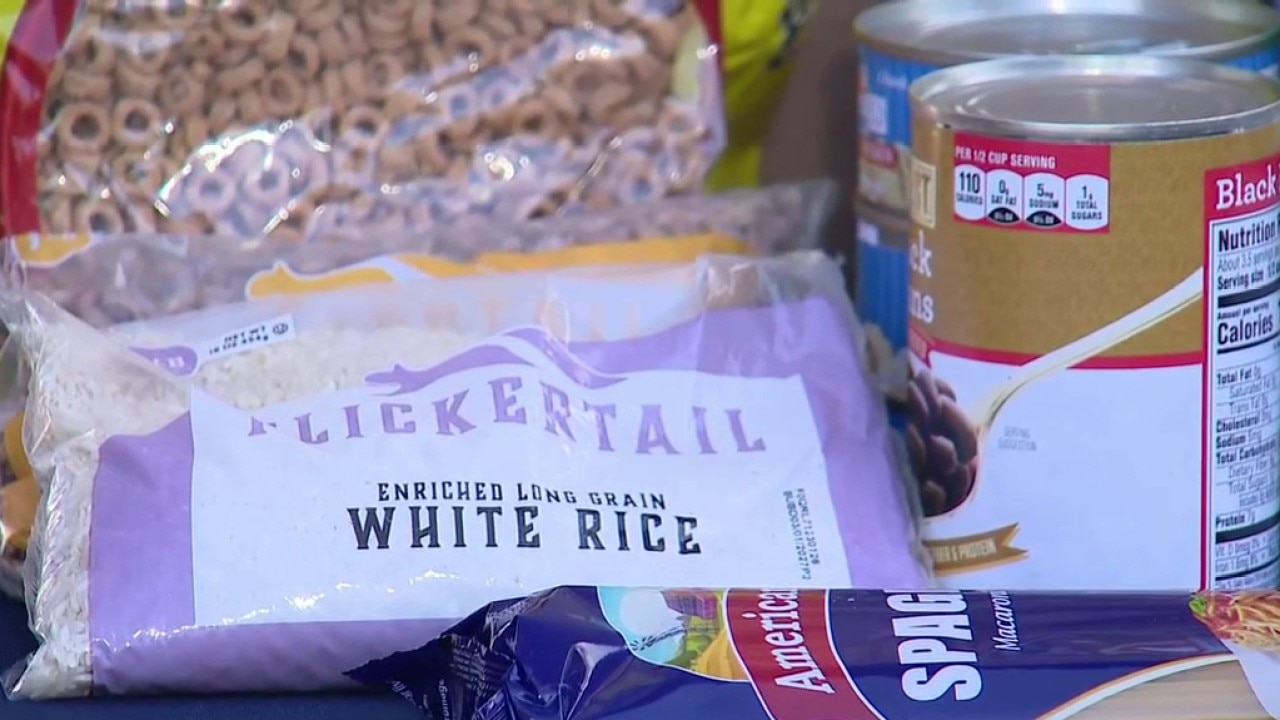
SNAP enrollment is plunging
Enrollment in the nation's primary federal food assistance program has plunged by more than 13% over 12 months. The drop dramatically exceeds initial government projections as stricter rules under President Donald Trump's signature legislative overhaul take effect.
LOS ANGELES - Enrollment in the nation's largest federally funded food aid program has experienced a rapid downturn, plummeting at a pace significantly faster than federal budget analysts had anticipated. \
The decrease highlights the immediate impact of sweeping federal policy overhauls alongside growing administrative challenges at the state level.
What we know:
Data from the U.S. Department of Agriculture shows that participation in the Supplemental Nutrition Assistance Program fell from 42.2 million recipients in May 2025 to 36.6 million in May—a decline of more than 13% over 12 months.
This shift brings participation levels down to figures the Congressional Budget Office had not expected to see until 2030.
The decline coincides with the rollout of broader work requirements under President Donald Trump’s major legislative package.
The updated rules mandate that individuals aged 55 to 64 and parents with children aged 14 to 17 must work, volunteer, or attend school to remain eligible for benefits.
Previous exemptions for populations such as individuals experiencing homelessness have been removed.
Average household benefits currently sit at $344 per month for a program that assists more than 1 in 10 Americans.
The severity of the drop varies substantially by state.

PREVIOUS COVERAGE: Trump threatens to cut SNAP checks over data drama
The Trump administration is threatening to cut SNAP payments against blue states, including California, refusing to hand over data on the aid recipients.
Arizona recorded the most dramatic shift with a enrollment drop exceeding 50%, while Georgia, Louisiana, Nevada, and Florida all saw declines greater than 20%.
What we don't know:
It's unclear exactly how many people have left the rolls due to finding gainful employment versus those who were cut off due to procedural issues.
Officials have not determined how many eligible households lost access simply because they missed filing deadlines, lacked required documentation, or were dropped by state administrative agencies struggling to adapt to changing rules.
What they're saying:
Supporters of the stricter rules maintain that the reduction demonstrates the policy's success in moving individuals off government assistance.
"If there are people that are leaving the welfare rolls because they’re working and they’re moving forward," said Rachel Sheffield, a research fellow at the conservative Heritage Foundation, "that would be a step forward." Sheffield also noted that part of the drop may reflect a natural post-pandemic normalization.
Florida’s Department of Children and Families stated that its declining numbers are "reflective of the state’s strong focus on advancing opportunities for Floridians and their families to achieve economic self-sufficiency."
The other side:
Policy analysts and community advocates point toward systemic friction and fear as core drivers.
Tia Fields, an analyst at Invest in Louisiana, observed that "a lot of it is administrative paperwork" rather than a failure to meet work rules. Paco Velez, president and CEO of Feeding South Florida, noted that fear among legal immigrants regarding immigration enforcement has led some families to avoid applying for public benefits altogether.

PREVIOUS COVERAGE: New SNAP requirements now in effect
The Trump administration’s new requirements for the SNAP program went into effect Dec. 1, with the aim of reforming the costly system. President Donald Trump’s One Big Beautiful Bill Act raised the age limit from 54 to 64 for people who must work, train or volunteer at least 80 hours per month in "qualifying" activities to receive assistance from SNAP. The new rules apply to people just joining the program or current recipients at their next recertification.
Advocates also express deep concern over the broader strain on community safety nets. "We’re very worried about it because we know that no other organization or program can replicate the scale and success of SNAP," said Carolyn Vega, a policy analyst at Share Our Strength.
"We know that schools can’t fill this gap. We know that food banks can’t fill this gap."
What's next:
States face additional pressure starting in October 2027, when a new cost-sharing rule is scheduled to begin.
Under this policy, states with payment error rates above 6% will be required to fund a portion of the benefit costs themselves, a dynamic experts warn could lead states to deny benefits more aggressively to prevent miscalculations.
Meanwhile, advocacy organizations warn that losing SNAP access creates ripple effects for low-income households.
Disenrollment can jeopardize automatic access to free school lunch programs and the Women, Infants, and Children nutrition program.
Food banks across the country are attempting to ramp up operations, though leadership within these charities stresses that private philanthropy cannot offset the structural losses in federal aid.
The Source: This report is based on federal enrollment data and statistical projections compiled by the U.S. Department of Agriculture and the Congressional Budget Office. The Associated Press contributed.