

'Grief' author Kouri Richins convicted of murdering husband with fentanyl
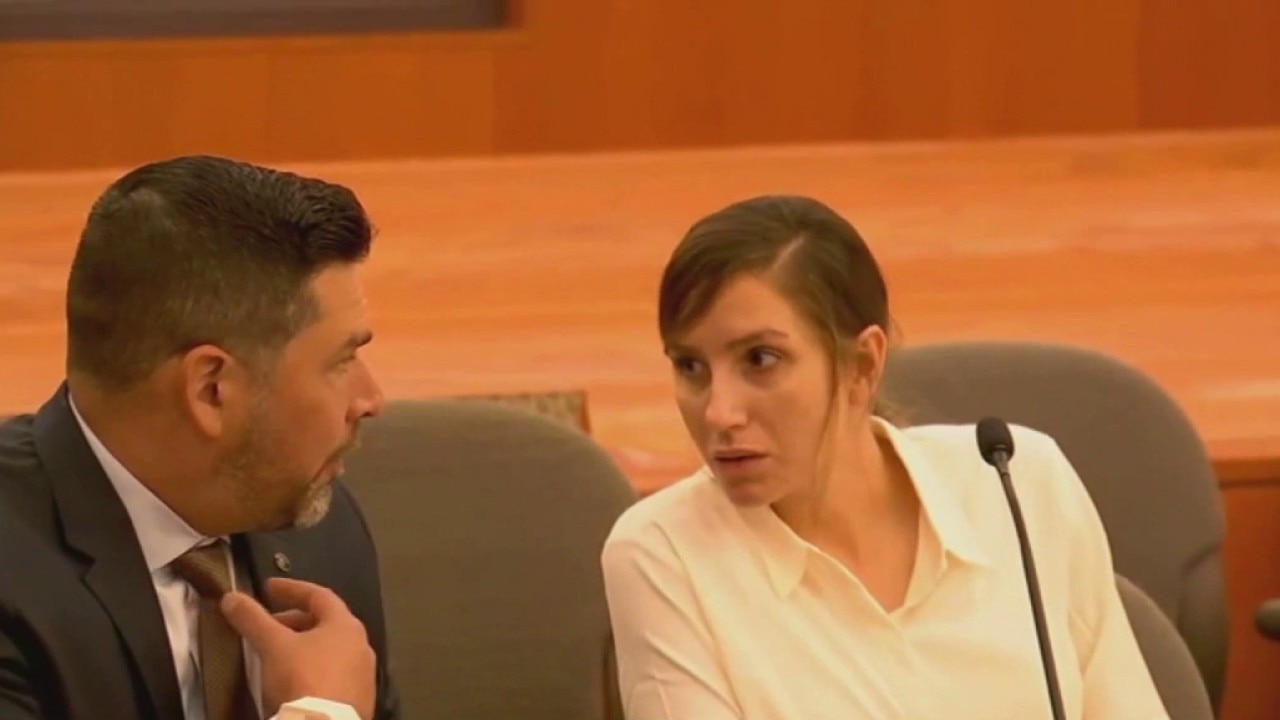
Author convicted of murder in husband's poisoning death
Utah mom Kouri Richins, who published a children's book about grief after the sudden death of her husband, has been found guilty of his murder.
PARK CITY, Utah - A Utah mother was found guilty Monday of murdering her husband by slipping five times the lethal dose of fentanyl into his cocktail.
The high-profile trial concluded after the defense abruptly rested without calling witnesses, following evidence of financial desperation and a secret affair.
What we know:
The jury found that Kouri Richins, 35, killed her husband, Eric Richins, in March 2022 at their home near Park City, Utah.
This followed a failed attempt to kill him with a fentanyl-laced sandwich on Valentine’s Day.
Prosecutors demonstrated that Richins was $4.5 million in debt and had taken out $2 million in life insurance policies on Eric without his knowledge.
Digital evidence played a heavy role, including search history for "luxury prisons" and "lethal dose of fentanyl."
Additionally, a housekeeper testified to selling Richins the drugs, and a "ghostwritten" children's book Richins published after the death was presented as part of an elaborate cover-up.
Dig deeper:
Children’s book becomes a tool for prosecutors
Shortly before her arrest in May 2023, Richins self-published the children’s book "Are You with Me?" about coping with the loss of a parent. She promoted it on local TV and radio stations, which prosecutors pointed to in arguing that Richins planned the killing and tried to cover it up.
Summit County Sheriff’s detective Jeff O’Driscoll, the lead investigator on the case, testified that Richins paid a ghostwriting company to write the book for her.
O’Driscoll said shortly after Richins’ arrest, her mother sent the book to the sheriff’s office in an anonymous package with a note saying it exemplified the "true Kouri, a devoted wife and adoring mother."
Prosecutors also showed the jury excerpts of a letter found in Richins’ jail cell that they said appeared to outline testimony for her mother and brother. In the six-page letter, Richins instructed her brother to tell her former attorney that Eric Richins confided in him about getting fentanyl from Mexico and "gets high every night."
Defense attorneys said the letter contained a fictional story their client was working on. They argued that Eric Richins was addicted to painkillers and asked his wife to procure opioids for him.
However, Richins told police on the night of her husband’s death that he had no history of illicit drug use, according to body camera footage shown in court.
What they're saying:
"She wanted to leave Eric Richins but did not want to leave his money," said Summit County prosecutor Brad Bloodworth.
During closing arguments, he referred to the 911 tapes as the sound of "a wife becoming a black widow."
Amy Richins, the victim’s sister, expressed relief following the verdict.
"Honestly I feel like we’re all in shock. It’s been a long time coming. Just very happy that we got justice for my brother."
Defense attorney Wendy Lewis argued the prosecution’s narrative was biased, stating the state "looks at facts one way and sees a witch, but if you look at those facts another way, you see a widow."
Timeline:
February 14, 2022: Richins attempts to poison Eric with a fentanyl-laced sandwich.
March 2022: Eric Richins dies after consuming a fentanyl-laced cocktail.
Early 2023: Kouri Richins self-publishes "Are You with Me?", a book about childhood grief.
May 2023: Kouri Richins is arrested and charged with murder.
March 2026: A jury convicts Richins of aggravated murder, attempted murder, forgery, and insurance fraud.
May 13, 2026: Scheduled sentencing date.
What's next:
Richins is scheduled to be sentenced on May 13, which would have been Eric Richins' 44th birthday.
The aggravated murder conviction carries a mandatory minimum of 25 years and a maximum of life in prison.
She still faces a separate trial for 26 additional financial crimes.
This story was reported from Los Angeles.
The Source: This report is based on courtroom testimony, digital forensic evidence, and official statements from the Summit County Prosecutor’s Office provided during the trial via the Associated Press. Information regarding the defendant's actions was verified through police body camera footage, recorded 911 calls, and testimony from lead investigators presented to the jury.