

Here's why California high tides are so crazy big this year
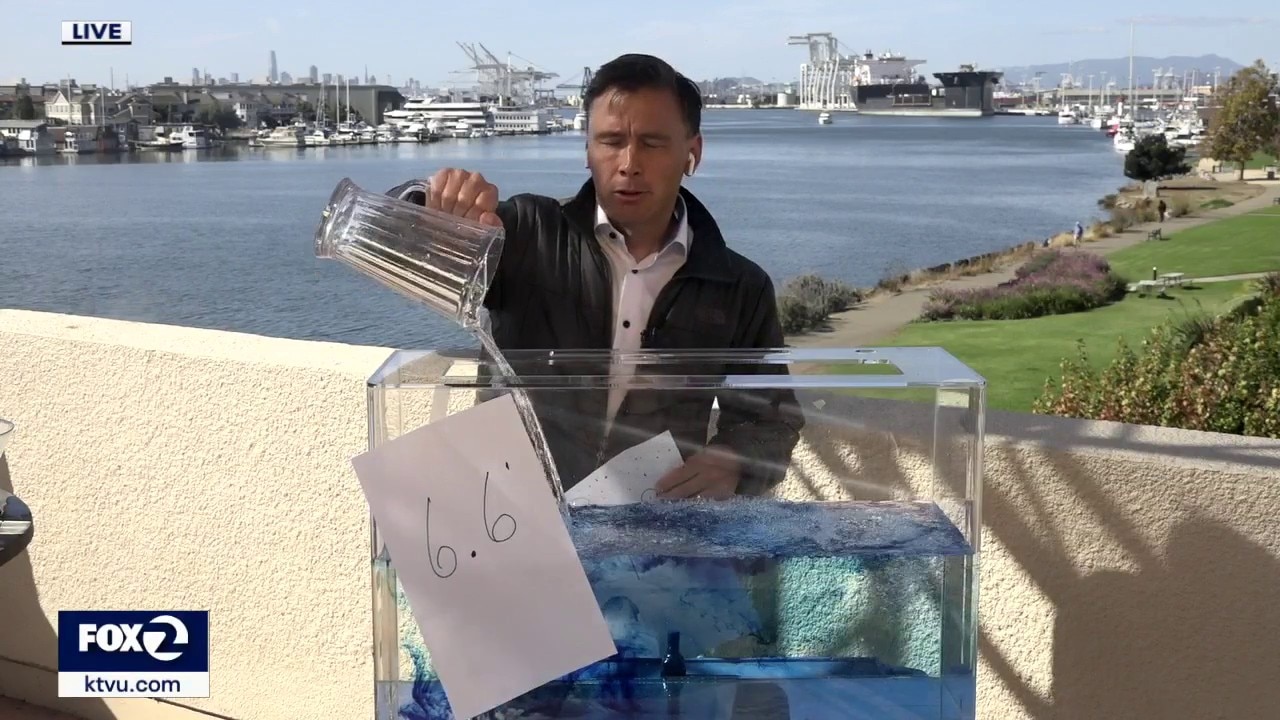
Everything to know about California high tides, king tides, Kelvin waves
Meteorologist Mark Tamayo explains everything you need to know about king tides, king tides and Kelvin waves.
MILL VALLEY, Calif. - There are four key scientific reasons why Californians have been watching trucks this week get stuck in flooded coastal waters and kayakers paddling down residential streets.
It's because of a trifecta of events – El Niño, Kelvin waves and sea level rise – are all in play during the annual high tide season.
High tide season
Dig deeper:
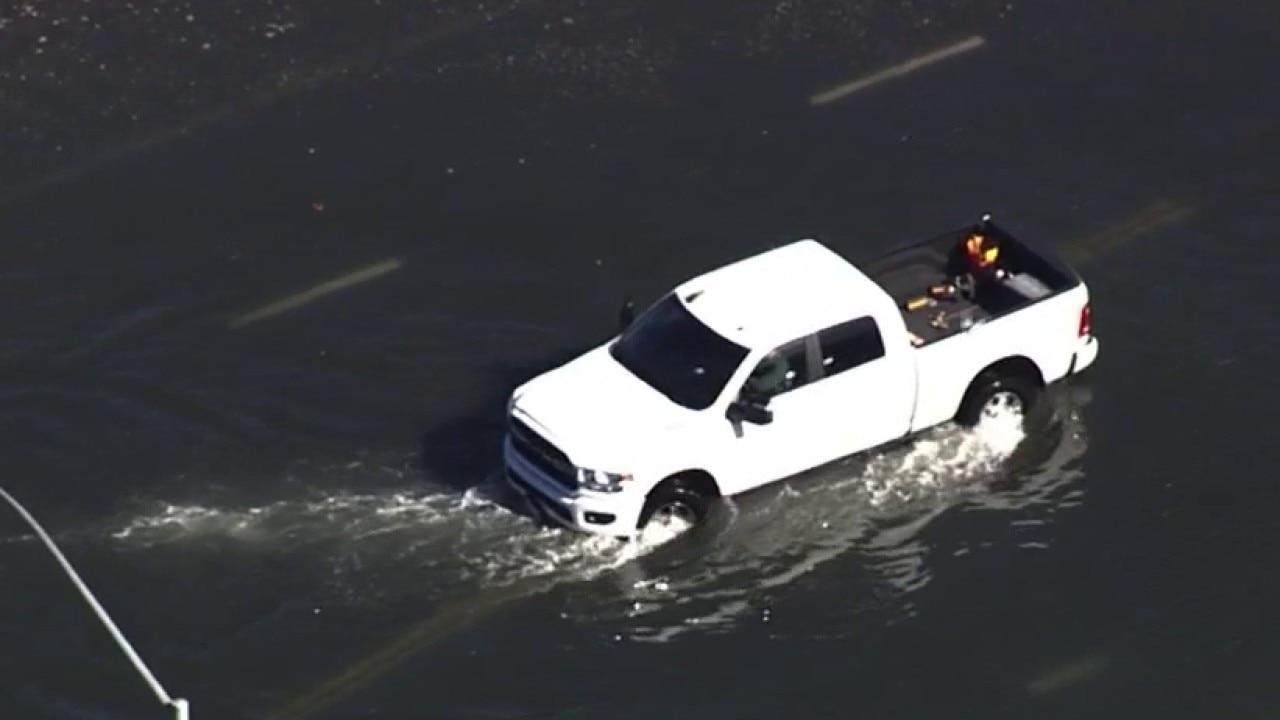
Truck driver stuck in Mill Valley high tides
A truck driver got stuck in rising high tides in Mill Valley. Watch to see what happens.
There are always high tides this time of year because of the gravitational pull of the moon and sun.
But what's new and unexpected is that the levels of flooding water caused by these tides are at least a foot taller than normal.
For example, the National Weather Service normally documents tide height at 6.6 feet. But this week alone, the tides have been reaching up to swells of 7.9 feet.
So what's going on?
El Niño, Kelvin waves, sea level rise
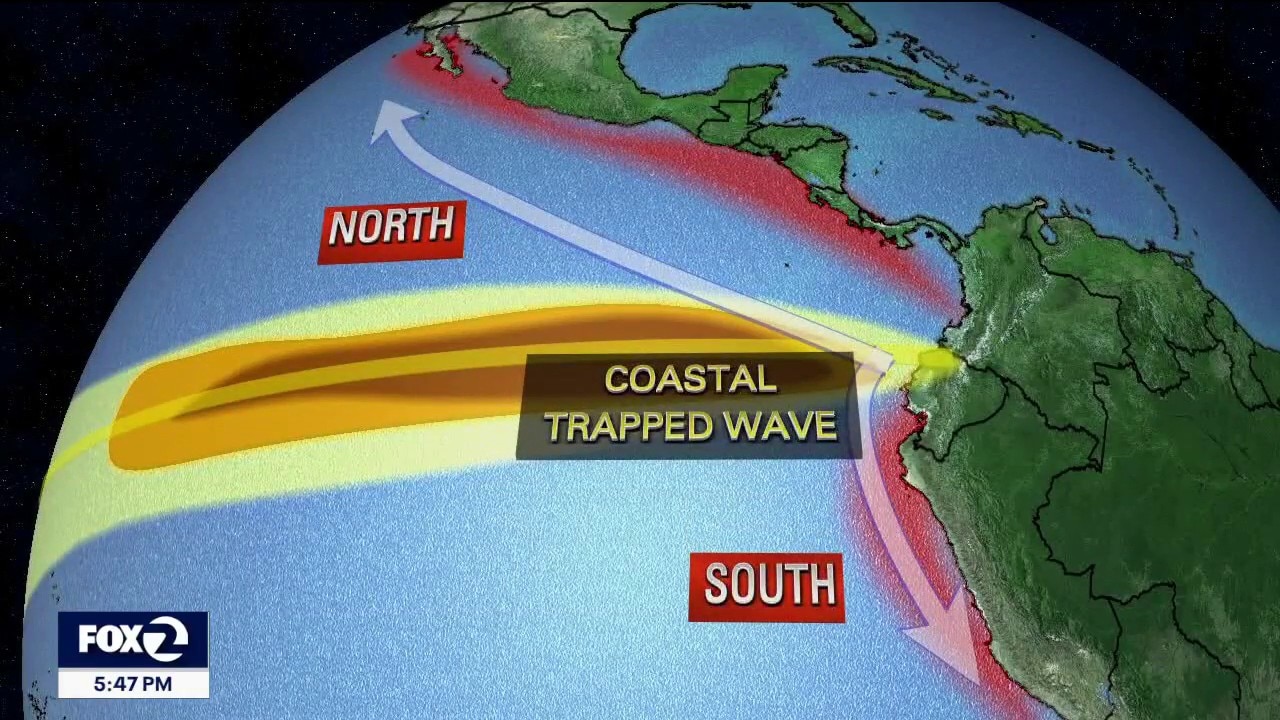
Tracking Kelvin waves from Mexico to California
Kelvin waves are like heartbeat pulses in the water. Dillion Amaya, assistant professor of marine, earth and atmospheric sciences, at NC State, explains how the waves are coming from Cabo San Lucas to San Diego to San Francisco.
There's an El Niño going on right now, too, which means the Pacific Ocean temperatures are warmer than normal.
Meanwhile, El Niño is causing Kelvin waves, which are massive, slow-moving underwater pulses of warm water that travel along the equator from west to east. They push cold water deeper and raise temperatures near the surface, according to NOAA Fisheries.
In addition, sea level rise, caused by a growing concentration of carbon dioxide created by burning fossil fuels, is real. CO2 acts like a blanket, trapping in heat that would otherwise escape.
Triple whammy
Why you should care:
So the ocean is getting a triple whammy of hotter temps during high tide season.
Warm water expands.
And it's causing the ocean to swell, rise and flow over.
Take Miller Avenue in Mill Valley, for example. All this week, high tides have been causing coastal flooding in this area, blocking the roads and prompting drivers, unaware of the dangers of driving in rising waters, to get stuck.
King tides vs. high tides
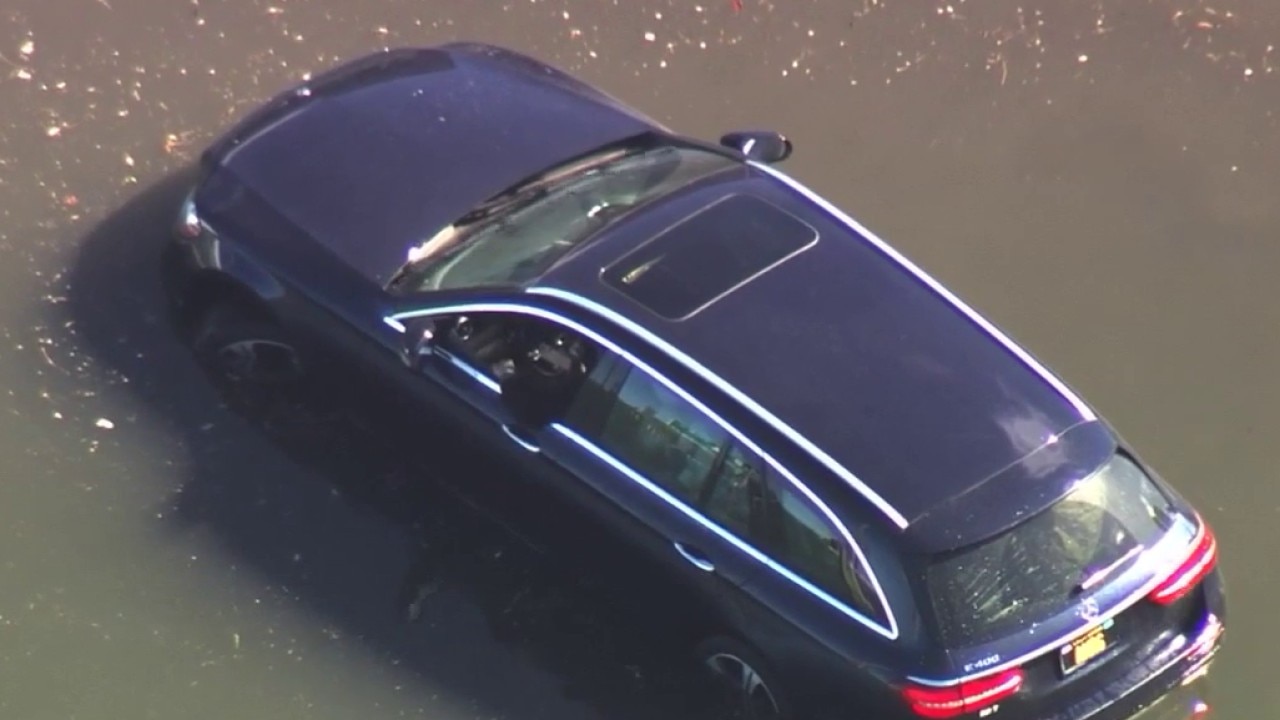
Man stuck in flooded car in Mill Valley
Roads are closed on Miller Avenue in Mill Valley. Watch as a man got stuck in his flooded car. Caltrans said this flooding is normal for this time of year.
In addition, there are some terms that have been bandied about, but should be explained further.
The term "King Tides" is reserved for the highest tides of the year, when both the moon and sun are part of the "tidal swing."
These tides usually come later in the year, from November to January. The highest tide of the year is typical on Dec. 24.
With the extreme King Tides expected in December, there will likely be the highest water levels on record, when you add in storm swell and storm surge.
People should not be taken by surprise by these tides, however, because the National Oceanic and Atmospheric Administration publishes tide tables down to the minute.
Meteorologists warn that there is going to be a lot more coastal flooding; what's happening now is just the beginning.
The Source: Information for this story comes from the National Weather Service, the National Oceanic and Atmospheric Administration, and the California King Tides Project.