

Salvadoran TPS protections remain in place as families await DHS decision
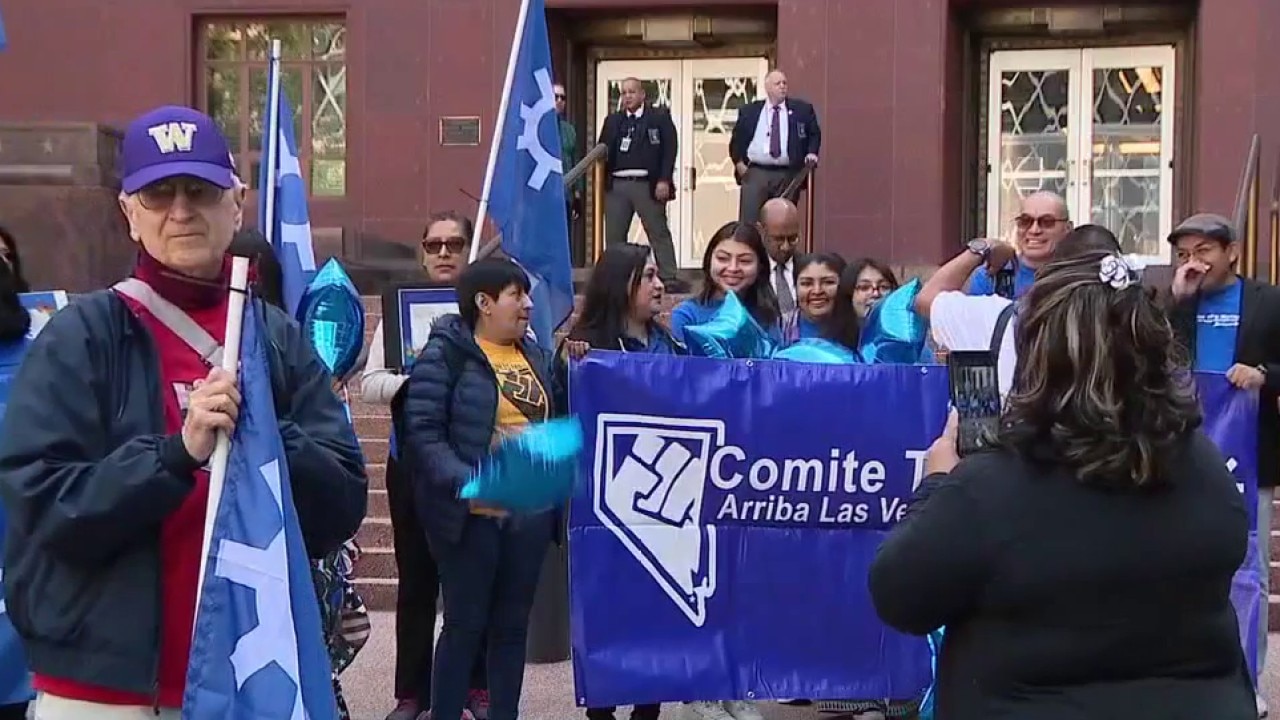
Salvadoran TPS protections remain in place
Temporary protected status for nearly 232,000 Salvadoran immigrants remains in place unless DHS announces otherwise. Rep. Luz Rivas is pushing for a permanent pathway to legal status for TPS holders.
Temporary protected status for Salvadoran immigrants was set to expire Wednesday, but the Department of Homeland Security says the protections remain in place until the agency announces otherwise.
Congresswoman Luz Rivas, who represents California's 29th District, says the uncertainty is taking a toll on families, while an immigrant advocacy leader in Los Angeles says Salvadoran TPS holders deserve more recognition for their economic contributions.
What we know:
Temporary protected status, or TPS, for Salvadoran immigrants was scheduled to expire Wednesday. According to DHS, the protections remain in effect until the department makes an announcement.
Under federal law, if DHS does not act to cancel the designation by midnight Wednesday, TPS for Salvadoran immigrants automatically extends for another six months.
Nearly 232,000 Salvadorans nationwide currently hold TPS. Many have lived in the U.S. for decades, raising families and building careers here.
Thirteen countries have already lost TPS under the Trump administration, including Haiti, Honduras and Nicaragua. As of now, El Salvador remains protected unless DHS issues a statement ending it.
What we don't know:
Rivas says fear is spreading through the Salvadoran community as the deadline looms.
"We need to believe that there's hope for the Salvadoran community. I know lots of families are worried whether they're going to be torn apart," Rivas said.
Rivas says she's working on a longer-term legislative fix.
"I'm the co-sponsor of a bill that would provide a pathway to legal status for TPS holders, and that's what I think we need," Rivas said.
Dr. Jocelyn Duarte, who runs the Salvadoran American Leadership and Educational Fund, says Salvadoran TPS holders aren't getting credit for what they've built in the U.S.
"They're not being given the recognition of the contributions that they have made for decades to this country," Duarte said.
Duarte says if she could speak directly to President Trump, she'd make an economic case for keeping the protections in place.
"If he was looking at the numbers, we know that not only do TPS holders, through their re-registration, provide billions of dollars to this economy; every 18 months you have them paying $495 to this administration. They pay taxes, they contribute to the economy in so many ways, and they're also contributing to their home country, which allows for people to not have to migrate to the United States in an irregular way. So why not make this deal that would allow people to be here," Duarte said.
The backstory:
El Salvador was the first country granted TPS, initially in 1990 for people fleeing the country's civil war, and again in 2001 after two major earthquakes. The designation has been extended for nearly a quarter-century, meaning many Salvadoran TPS holders have lived, worked and raised families in the U.S. for 25 years or more.
The Trump administration has moved to end TPS for the vast majority of the roughly 1.3 million immigrants who held the status when the president returned to office. A Supreme Court ruling in June cleared a legal path for those terminations by finding that courts do not have the authority to review TPS cancellations.
What's next:
For now, El Salvador's TPS designation stands unless DHS makes a formal announcement ending it. Rivas says she and other lawmakers will continue pushing for a permanent legislative solution for TPS holders, while advocates like Duarte are urging families to make preparedness plans in case the protections do end.