

FAA flight reductions are on the way: Here's how passengers can prepare
California airports to see flight cuts
Several airports in California can expect to see a 10% cut in flights beginning Friday, Nov. 7.
LOS ANGELES - As the FAA plans to implement a 10% cut in air traffic in 40 major U.S. markets beginning Friday morning, airlines and frustrated passengers are preparing for the potential impacts.
Why it's happening:
Air traffic controllers have been working without pay since the shutdown began Oct. 1, many logging six-day weeks with mandatory overtime. Some have called out of work or taken second jobs, citing frustration, child-care or fuel costs. The resulting staffing shortages have already led to flight delays at several U.S. airports.
FAA Administrator Bryan Bedford said, "I’m not aware in my 35-year history in the aviation market where we’ve had a situation where we’re taking these kinds of measures."
‘It’s a terrible situation'
What travelers are saying:
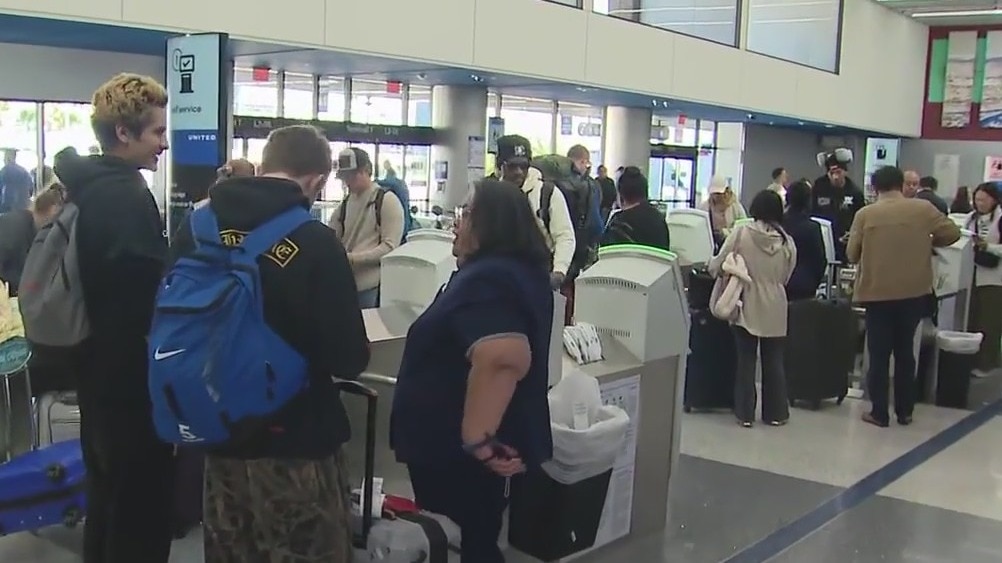
At Los Angeles International Airport Thursday morning, frustration and uncertainty filled the terminals as passengers learned about the possible flight reductions.
"It’s horrible and the families getting together, it’s a terrible situation. Let’s start to work together and get it done," said one woman who was catching a flight out of LAX Thursday morning.
"It’s always frustrating because who knows if we will have to stay longer or miss our flight," said another traveler on his way to visit family.
FAA to cut flights at 40 U.S. airports
Travelers nationwide are bracing for mass delays and cancellations.
How airlines are responding:
Major carriers are already adjusting schedules and issuing travel waivers. United Airlines says it will not affect long-haul international and hub-to-hub domestic flights but is focusing reductions on regional and non-hub routes. The airline is offering refunds to impacted customers.
Frontier Airlines warned passengers that being stranded is a risk and encouraged travelers to secure backup plans. The airline is also waiving change and cancellation fees during the FAA reduction period.
Other major carriers—including American, Southwest, Delta, Alaska and Spirit—say they are still evaluating schedule changes and awaiting specific direction from the FAA.
Tips for travelers
What passengers should do:
- Check your flight status early and often. Airlines are urging travelers to confirm departure times before heading to the airport.
- Expect longer lines and potential cancellations. Even unaffected flights could experience ripple effects from reduced air traffic flow.
- Have a flexible plan. Many airlines are allowing free rebooking or credit if your flight is changed or delayed.
- Arrive early. With potential staffing issues at security and gates, travelers should give themselves extra time.
- Know your rights. If your flight is canceled or significantly delayed, you may qualify for a refund or alternate travel arrangements depending on the carrier’s policy.